
Government Moves to Boost Tea Farmers’ Incomes as Mudavadi Courts Kenyan Youth


Prime Cabinet Secretary Musalia Mudavadi has called on young Kenyans to embrace tea farming as a modern and profitable business, saying ongoing government reforms will improve farmers’ earnings while strengthening Kenya’s globally competitive tea industry.
Speaking after visiting Mudete Tea Factory in Vihiga County, Mudavadi said tea remains one of Kenya’s most important cash crops, supporting hundreds of thousands of households, generating foreign exchange and driving economic growth across rural communities.
The Prime Cabinet Secretary shared details of the visit in a statement posted on his X account on Saturday, July 11, 2026, where he underscored the importance of attracting more young people into agriculture through innovation, technology and value addition.
Mudavadi noted that agriculture continues to offer enormous opportunities for wealth creation and employment, particularly at a time when the country is seeking sustainable ways of addressing youth unemployment.
Tea Continues to Drive Rural Economic Growth
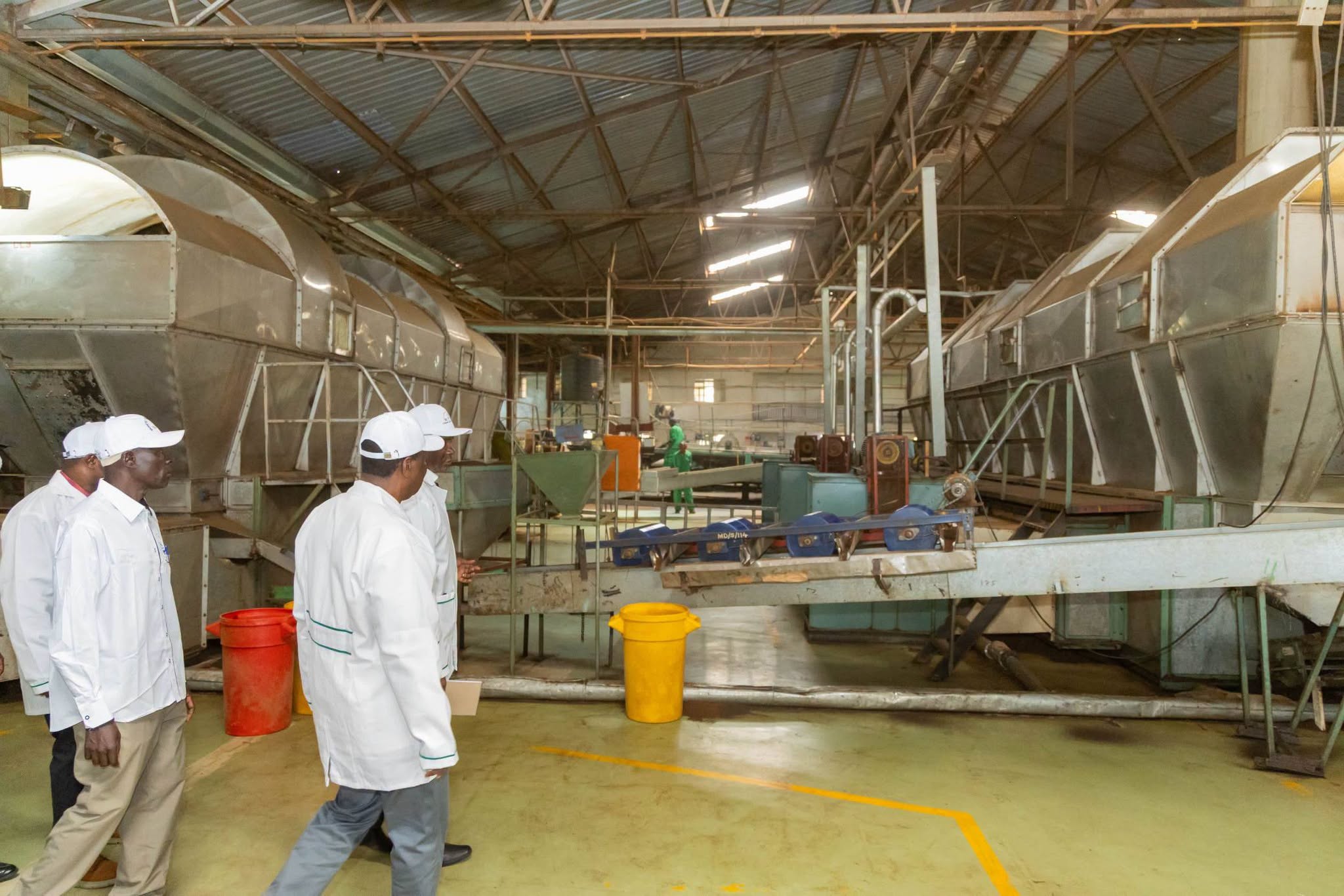
Mudavadi explained that the visit to Mudete Tea Factory provided an opportunity to gain deeper insights into the tea value chain, beginning with cultivation at the farm level through processing and ultimately marketing both locally and internationally.
Established in 1997, Mudete Tea Factory has grown into one of the key institutions supporting tea farming in western Kenya. The factory currently serves more than 12,000 tea farmers from Vihiga County and neighbouring Kakamega County, providing a reliable market for their produce while contributing significantly to household incomes.
According to Mudavadi, the factory demonstrates the transformative impact that well-managed agricultural cooperatives and processing facilities can have on rural communities.
He noted that thousands of families have benefited directly from tea farming through improved incomes, better access to education, healthcare and other essential services made possible by earnings generated from the crop.
“Tea remains one of Kenya’s most valuable cash crops, sustaining hundreds of thousands of families, generating foreign exchange and driving rural economic growth,” Mudavadi said.
Beyond supporting individual farmers, the tea industry continues to play a central role in Kenya’s economy by contributing billions of shillings in export earnings every year. Kenyan tea remains highly regarded in international markets because of its quality, making the sector one of the country’s strongest foreign exchange earners.
Mudavadi added that factories such as Mudete continue to strengthen Kenya’s reputation as one of the world’s leading producers of premium tea while creating economic opportunities across the entire value chain.
The visit also allowed him to interact with factory management, employees and farmers, gaining first-hand appreciation of both the achievements recorded and the challenges still facing the sector.
Youth Encouraged to See Agriculture as a Business
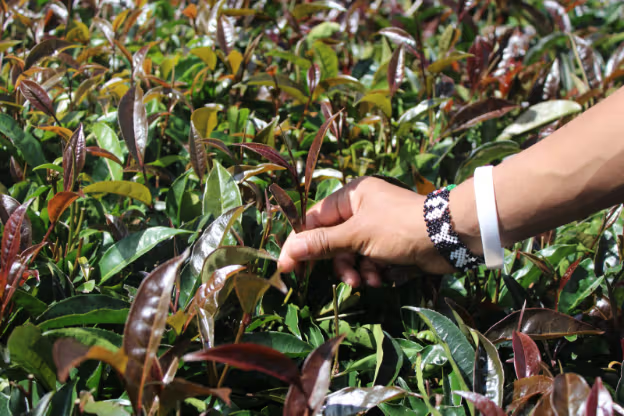
A key message during the visit focused on changing perceptions surrounding agriculture, particularly among young Kenyans.
Mudavadi challenged the youth to view tea farming not as a traditional livelihood but as a modern commercial enterprise capable of generating sustainable income and creating employment opportunities.
He observed that advances in agricultural technology, mechanisation, digital marketing and value addition have transformed farming into a competitive business with significant growth potential.
“I encouraged farmers to continue investing in tea production and challenged our young people to view agriculture, particularly tea farming, as a modern, profitable enterprise by embracing technology, innovation and value addition to enhance productivity and competitiveness,” he said.
The Prime Cabinet Secretary noted that innovation remains essential in improving efficiency across the tea value chain. Adoption of modern farming techniques, improved seedlings, climate-smart agricultural practices and better post-harvest handling can significantly increase productivity while reducing production costs.
Value addition also presents an opportunity for farmers and investors to earn more from tea beyond simply selling raw leaves. Processing, packaging and branding Kenyan tea can increase returns while expanding access to premium international markets.
Mudavadi argued that greater youth participation in agriculture would not only strengthen food security but also create businesses capable of generating employment in farming, transportation, processing, logistics, manufacturing and export trade.
He emphasized that agriculture should increasingly be viewed as an engine of entrepreneurship rather than merely a subsistence activity.
The government, he added, continues to create an enabling environment where farmers and investors can maximize opportunities within the tea sector.
Among the reforms currently being implemented are measures aimed at increasing farmers’ earnings, improving annual bonus payments, expanding Kenya’s tea export destinations and promoting sustainable incomes for tea-growing communities.
“The Government remains committed to implementing reforms in the tea sector aimed at increasing farmers’ earnings, improving bonus payments, expanding Kenya’s tea export markets and ensuring sustainable incomes for tea-growing communities,” Mudavadi stated.
The reforms are expected to improve the competitiveness of Kenyan tea in the global market while ensuring growers receive better returns from their investments.
Higher earnings, stronger export performance and improved efficiency across the industry are expected to benefit thousands of farming households whose livelihoods depend on tea production.
Mudavadi also acknowledged the contribution made by Mudete Tea Factory in supporting both farmers and the wider economy.
He thanked Unit Manager Peter Munialo, the factory’s management team, employees and thousands of contracted farmers for their commitment to maintaining high production standards that continue to position Kenyan tea among the world’s finest.
Their dedication, he noted, has helped sustain one of Kenya’s most successful agricultural export industries while improving the livelihoods of thousands of families across western Kenya.
With demand for quality Kenyan tea remaining strong in international markets, Mudavadi expressed optimism that continued reforms, greater investment and increased participation by young people would secure the industry’s long-term growth.
He reiterated that agriculture remains one of the country’s most promising sectors for economic transformation, urging the next generation to take advantage of emerging opportunities within tea farming and other high-value agricultural enterprises.
Through innovation, technology, value addition and supportive government policies, Mudavadi said Kenya’s tea sector can continue delivering sustainable incomes to farmers while strengthening the country’s position as a global leader in premium tea production.

