
Shattered Homes, Long Roads: A Refugee’s Journey from South Kivu to Nairobi

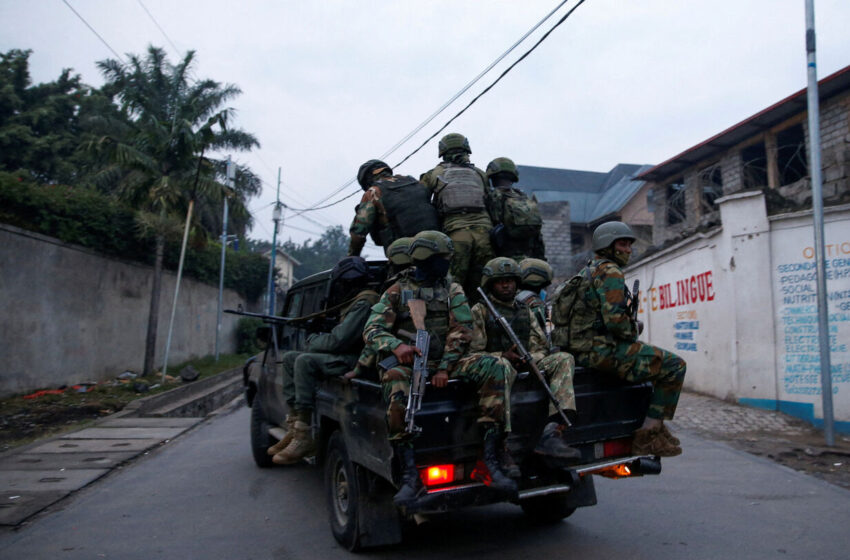
FILE PHOTO: Members of the M23 rebel group ride on a pickup truck.
Agnes (not her real name) carefully arranged phone covers, charging cables and earphones on a small wooden stand along the busy streets of Githurai. Shoppers hurried past her in search of bargains while matatus blared their horns and hawkers competed for customers. I had stopped to buy a phone screen protector, expecting nothing more than a brief negotiation over the price. Instead, the conversation became a window into one of Africa’s longest-running conflicts.
Agnes smiled politely as she handed me several screen protectors to compare. Her appearance could easily make someone mistake her for a Rwandan, while her Swahili carried the unmistakable accent of eastern Democratic Republic of Congo. Curiosity prompted a simple question after we agreed on the price.
“Are you Congolese?” I asked.
Agnes paused for a few seconds before answering. My interest in the conflict that has devastated eastern DRC for decades encouraged another question about where she came from. News reports often focus on armed groups, military operations and political negotiations. Ordinary people living through the violence rarely get the chance to tell their own stories. Agnes agreed to speak on condition that her identity remained protected because some members of her family still live in South Kivu.
“I was born in eastern DRC, and the war has been there for as long as I can remember,” Agnes said softly. “I cannot explain exactly how we left because some of my relatives are still there. Many of us found refuge in Kenya, but our lives never really left home.”
Every sentence Agnes spoke carried the weight of memories that have followed her across borders. Selling phone accessories in Kenya may have provided safety, but it has not erased years of fear, grief and uncertainty. Home remains thousands of kilometres away, yet every phone call from South Kivu reminds her that the conflict continues.
A Childhood Defined by Conflict
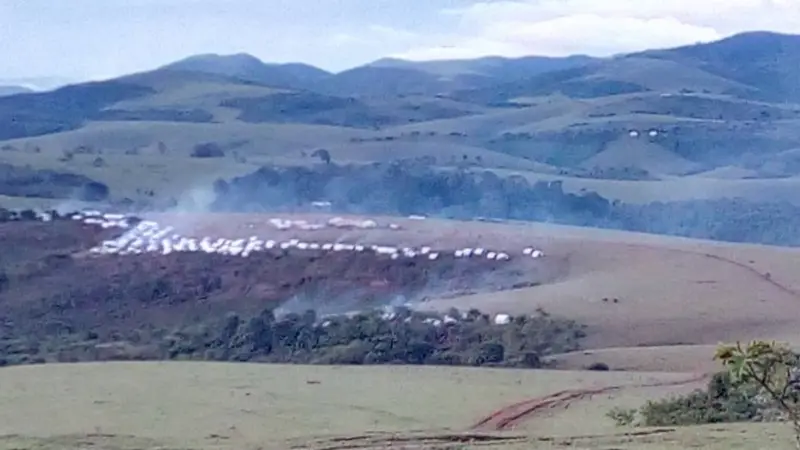
Agnes grew up in the highlands of South Kivu, where conflict has become part of everyday life for generations. Childhood memories are not filled with carefree games or family celebrations. Gunfire, displacement and fear formed the backdrop of her early years. School was frequently interrupted by insecurity, while families often abandoned their homes after reports of attacks in neighbouring villages.
“My childhood was full of fear,” Agnes recalled. “You never knew whether you would sleep in your own house the next day or spend the night running to another village.”
Conflict robbed Agnes of more than education. Several members of her extended family were killed during different waves of violence, while others disappeared without a trace. Many homes belonging to relatives were destroyed, leaving families to seek shelter wherever they could.
“I have witnessed close family members being killed,” Agnes said, struggling to hold back emotion. “People hear about war on television, but they never imagine what it feels like until it reaches your own home.”
Agnes belongs to the Banyamulenge community, a Congolese Tutsi minority that has lived for generations in the Hauts-Plateaux of South Kivu. Their identity has remained one of the most contentious issues in eastern Congo, with disputes over citizenship, land ownership and political representation contributing to repeated cycles of violence involving numerous armed groups.
According to Agnes, many Banyamulenge families have lived under constant fear since long before she was born. Villages have repeatedly been attacked, forcing civilians to flee into forests, churches and displacement camps. Some families have crossed international borders into neighbouring countries, including Kenya, Uganda, Rwanda and Burundi, in search of safety.
Independent reports by humanitarian organisations and international observers have documented repeated violence in Minembwe and the Hauts-Plateaux since 2017. Human Rights Watch has reported killings, destruction of civilian property, forced displacement and abuses committed by various armed groups operating in eastern DRC. Rights organisations have also expressed concern over allegations involving cooperation between elements of the Congolese army and local militias during some operations against civilians.
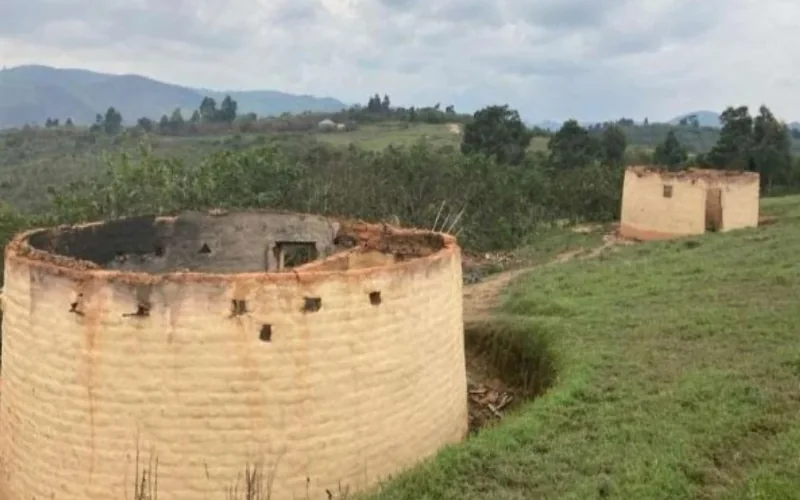
Entire communities have watched schools, health centres and homes disappear in the fighting. Agricultural activities have been severely disrupted as insecurity prevents families from accessing their farms. Markets that once connected villages now operate only intermittently or have disappeared altogether because of repeated attacks.
Agnes says those realities shaped every stage of her life.
“We learned to survive instead of planning for the future,” she said. “Every family was thinking about where to run next rather than what tomorrow would bring.”
Leaving Congo was never part of Agnes’ childhood dream. Survival eventually became more important than staying home. She declined to explain the exact circumstances surrounding her family’s escape, fearing that revealing too much could place relatives who remain in South Kivu at greater risk.
Kenya offered physical safety, but peace of mind remains difficult to find. Agnes earns a modest living selling phone accessories, yet every day’s work is accompanied by thoughts of relatives still trapped in conflict.
“My body is here, but my heart is still in Congo,” Agnes said. “Every time my phone rings, I worry that someone is calling with bad news.”
The Banyamulenge’s Fight for Survival
The conflict affecting the Banyamulenge community cannot be separated from the wider crisis that has engulfed eastern Democratic Republic of Congo for decades. South Kivu remains home to dozens of armed groups competing over territory, political influence, ethnic grievances and access to valuable natural resources. Civilians from many communities continue to suffer the consequences of that violence.
Agnes believes the Banyamulenge have spent years fighting for their very existence. Members of the community argue that repeated attacks against their villages have forced some young men to join self-defence groups after losing confidence that state institutions could protect them.
One such group is Twirwaneho, an armed movement that says it was formed to defend Banyamulenge civilians from attacks in the Hauts-Plateaux. Reports in recent years have indicated periods of cooperation between Twirwaneho and the M23 rebellion, although the conflict involves numerous armed actors with shifting alliances that frequently change on the ground.
Ordinary civilians often find themselves trapped between government forces, community militias and rebel movements. Military offensives, reprisals and intercommunal violence have repeatedly displaced thousands of families across South Kivu. Humanitarian agencies have documented widespread destruction of homes, restrictions on humanitarian access and growing food insecurity throughout affected areas.
Communities in Minembwe have also reported bombardments and aerial attacks in recent phases of the conflict, forcing many families to abandon villages that had already experienced years of instability. Livestock has been lost, crops destroyed and livelihoods shattered, leaving displaced people dependent on humanitarian assistance.
Agnes insists the suffering of civilians receives far less attention than military developments.
“People always talk about rebels or soldiers,” she said. “Nobody talks enough about mothers who cannot feed their children or families sleeping in the bush because they are afraid to return home.”
Life in Githurai has taught Agnes resilience. She greets every customer with warmth, bargains politely and continues arranging her display even after sharing painful memories. Few people passing her roadside stand would imagine the journey that brought her to Kenya.

Selling phone accessories has become more than a source of income. Every sale represents another day of survival and another opportunity to support relatives who continue struggling in eastern Congo. Agnes says she dreams of returning home one day, but only if lasting peace becomes a reality.
“I want my children to know the place where I was born,” she said. “I do not want them to inherit stories of war. I want them to inherit peace.”
Eastern DRC has endured decades of conflict driven by complex political, ethnic, economic and regional dynamics. Peace efforts have repeatedly faltered, leaving millions of civilians displaced and dependent on humanitarian aid. Families like Agnes’ continue to pay the highest price despite having little influence over the forces driving the violence.
Agnes returned to arranging phone covers as another customer approached her stand. The brief interview ended almost as quietly as it had begun. Githurai’s bustling streets quickly swallowed the moment, but the memories she shared lingered long after I walked away with my new screen protector.
Statistics about eastern Congo often measure casualties, displacement and humanitarian need. Agnes’ story offers another measure of the conflict—one that cannot be captured in numbers alone. Her journey from the hills of South Kivu to the streets of Githurai reflects the resilience of thousands of refugees whose greatest wish is not victory in war, but the simple chance to live in dignity, return home one day and raise future generations in peace rather than fear.