
KRA Cargo Clearance Benchmark Reduced to Ksh 2 Million: What Small Importers & Traders Need to Know

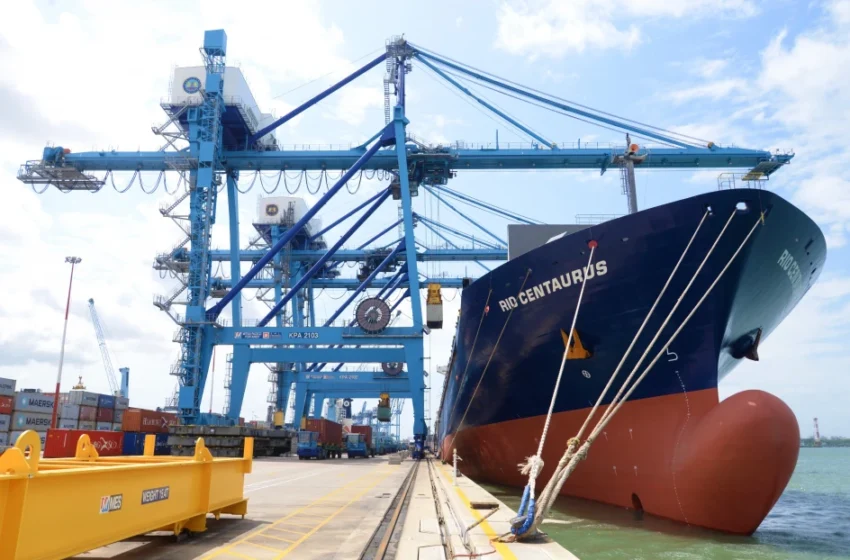
A ship docked at the Mombasa port
Small importers and traders have received a major reprieve after the government agreed to reduce the benchmark used for general consolidated cargo clearance from Ksh 2.5 million to Ksh 2 million.
The decision follows concerns raised by traders over the rising cost of importing goods and the impact of customs, clearance and handling charges on small businesses.
President William Ruto reached the agreement with traders and stakeholders in the consolidated cargo sector during a meeting at State House, Nairobi, on Wednesday, September 2, 2026. The government said the measures are intended to lower the cost of doing business while improving transparency and compliance within the cargo sector.
PAY ATTENTION: Follow Kenya Frontline WhatsApp channel for more news
The announcement is particularly significant for traders who depend on consolidated shipments, including many small businesses operating in Nairobi’s CBD, Nyamakima, Kamukunji and other commercial centres.
Consolidated cargo allows goods belonging to different traders to be packed into the same container before being transported to Kenya. This arrangement is widely used by businesses that may not have enough goods to fill an entire container on their own.
The new measures also include a substantial reduction in the cost of transporting cargo from the Inland Container Depot (ICD) to the Bomaline De-consolidation Centre.
What the Ksh 2 Million Benchmark Means
The immediate headline change is the reduction of the general consolidated cargo benchmark from Ksh 2.5 million to Ksh 2 million.
The decision comes after a dispute between traders and the Kenya Revenue Authority over the applicable valuation benchmark for consolidated imports.
Traders had raised concerns that the higher benchmark would increase the financial burden on small businesses already dealing with rising operating costs.
President Ruto’s intervention has now restored the general benchmark to Ksh 2 million. (kenyans.co.ke)
The change, however, does not mean every imported product will automatically be treated under the Ksh 2 million arrangement.
KRA has been directed to prepare and publish an exclusion list showing goods that will not qualify under the general consolidated cargo framework.
The list will consider the value and nature of goods, applicable specific tax rates, excisable products and other customs and revenue considerations.
That distinction is important for importers.
A trader dealing in ordinary merchandise cannot simply assume that the Ksh 2 million benchmark applies regardless of what is being imported. The eventual exclusion list will determine which categories receive treatment under the general framework.
Existing rates for ready-made garments, footwear and fabrics will remain unchanged, while the newly negotiated rates for air cargo will also continue to apply.
Why Small Importers Are Watching Closely
Small businesses often operate with tight margins, meaning additional clearance expenses can quickly affect retail prices.
An importer who spends more money clearing stock may have to increase prices, accept lower profits or reduce the amount of merchandise ordered during the next shipment.
The lower benchmark is therefore expected to provide greater predictability when traders calculate the cost of bringing goods into Kenya.
The government has described the agreement as an effort to create greater certainty in the consolidated cargo sector while maintaining customs and tax compliance.
Traders should nevertheless avoid confusing the benchmark with the total amount they will pay to clear a shipment.
Customs taxes, handling expenses, transport charges and other logistics costs can still form part of the final import bill. The Ksh 2 million change addresses the applicable benchmark for general consolidated cargo; it does not eliminate all other import-related charges.
SGR Freight Charge Cut From Ksh 58,000 to Ksh 10,000
Another major development concerns the cost of moving cargo from the Inland Container Depot to the Bomaline De-consolidation Centre in Nairobi.
Kenya Railways will reduce the charge from Ksh 58,000 to Ksh 10,000, representing a reduction of Ksh 48,000.
The new charge takes effect immediately.
The reduction could have a direct effect on small traders because transportation is one of the costs that can add significantly to the price of imported goods before they reach the shop.
Bomaline is used for the de-consolidation of cargo, where goods belonging to different importers can be separated for individual clearance and collection.
KRA has previously promoted the use of de-consolidation arrangements as a way of making cargo clearance more accessible to small and medium-sized enterprises. Its consolidated cargo guidance provides information on procedures applicable to consolidated shipments.
The latest reduction means traders moving cargo from the ICD to Bomaline will face a significantly lower transport charge.
A Ksh 48,000 reduction is substantial, particularly when costs are shared across multiple small consignments.
The government has also committed to facilitating designated de-consolidation centres in Nairobi and Mombasa. These facilities are expected to allow consolidated cargo to be separated more efficiently and transparently while reducing logistical and administrative expenses.
Cargo Consolidators Face Fresh Registration
The government has introduced another important requirement affecting cargo consolidators.
All cargo consolidators will undergo fresh vetting and registration by KRA.
Consolidators will also be required to provide comprehensive information on the individual traders and importers whose goods they handle.
The deadline for completing the registration, vetting and submission of trader disclosures is October 15, 2026.
The requirement is aimed at improving transparency within the consolidated cargo industry.
Consolidation involves goods belonging to multiple traders being transported together. Authorities therefore need accurate information about who owns each consignment and what products are being imported.
The new disclosure requirement could make it easier for KRA to establish the ownership and nature of goods contained in consolidated shipments.
Traders should consequently be more careful when selecting a cargo consolidator.
Businesses importing goods should retain accurate invoices, shipping documents and other records showing the nature and value of their consignments.
Using a legitimate and properly registered consolidator will also become increasingly important as KRA implements the new vetting requirements.
What the October 15 Deadline Means
October 15 is now an important date for companies involved in cargo consolidation.
Consolidators have until that date to complete the fresh registration and vetting exercise and submit the required information on traders and importers.
Failure to comply could create difficulties for operators seeking to continue participating in the consolidated cargo system.
The government says the disclosure process is intended to strengthen accountability and give traders greater clarity about how their goods are handled.
The Kenya Revenue Authority’s customs services remain central to the implementation of the new framework.
Small importers should also expect more emphasis on documentation and accurate declarations as the government seeks to balance lower costs with improved revenue compliance.
Advance Cargo Declaration Requirement to Be Removed
The agreement also provides for the removal of the Advance Cargo Declaration requirement, another measure intended to simplify cargo clearance.
The move follows concerns from traders over administrative requirements surrounding imports.
The government says removing the requirement will help streamline the clearance process and facilitate legitimate trade.
The change will be watched closely by importers and logistics operators because documentation requirements can affect how quickly cargo moves through the supply chain.
KRA has continued to digitise customs processes, making it important for traders to follow official guidance as the new arrangements are implemented.
What Small Traders Should Do Now
Small importers should take several practical steps following the announcement.
First, traders should establish whether their goods fall under the general consolidated cargo framework or could appear on the forthcoming exclusion list.
Second, importers should request a clear breakdown of charges from their consolidators before shipping goods. A lower benchmark does not necessarily mean that every component of the import bill has been reduced.
Third, businesses should keep proper documentation showing the value, description and ownership of their goods.
Fourth, traders should confirm that their consolidators comply with the new KRA registration and disclosure requirements before committing future shipments.
The changes could ultimately make importing more predictable, but traders will still need to understand the rules applying to their particular products.
What Happens Next?
The government has established a broader framework to oversee implementation of the agreement.
A multi-stakeholder committee chaired by the Cabinet Secretary for Investments, Trade and Industry will bring together government agencies, KRA, traders, consolidators and other stakeholders. The committee is expected to monitor implementation, address emerging issues and submit quarterly reports to the President.
The next major development will be the publication of KRA’s exclusion list.
That document will help traders understand which products qualify under the general consolidated cargo arrangement and which goods will continue to be handled under different valuation or taxation arrangements.
The October 15 deadline will also test how quickly cargo consolidators can comply with the fresh registration and disclosure requirements.
Meanwhile, the immediate reduction of the ICD-to-Bomaline charge from Ksh 58,000 to Ksh 10,000 provides a direct cost-saving measure for businesses using the facility.
The Ksh 2 million benchmark, cheaper rail freight and tighter regulation of consolidators collectively represent a significant change in Kenya’s approach to small-scale imports.
Traders in Nairobi and other commercial centres will now be watching closely to see whether the announced reductions translate into lower clearance bills and more predictable costs.
The success of the reforms will ultimately depend on implementation. Clear rules, transparent charges, properly registered consolidators and consistent application by customs officials will determine whether the measures deliver the relief promised to Kenya’s small importers and traders.