
Beyond Cairo Disaster: Why Kenyan Champions Keep Falling Short Against North African Powerhouses

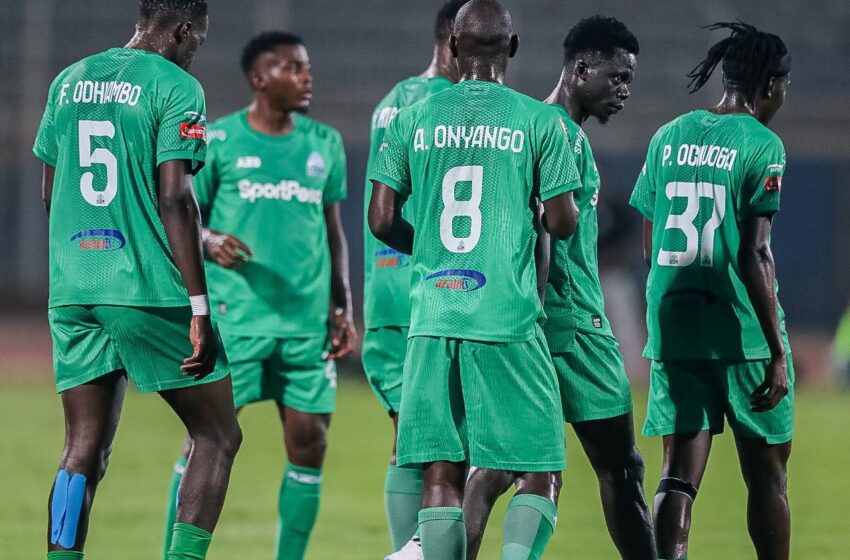
IMAGE: Gor Mahia
Gor Mahia’s 7-1 aggregate elimination by Pyramids FC should be painful for Kenyan football. But it should also be instructive.
The Kenyan champions were beaten 5-1 in Cairo after losing the first leg 2-0 at Nyayo National Stadium. Pyramids advanced comfortably, while Gor Mahia’s continental campaign ended before it had properly gathered momentum. The result exposed a gap that Kenyan football has spent years trying to close.
Yet reducing the defeat to a bad night in Egypt would miss the bigger picture. Gor Mahia showed in flashes that they could compete, particularly after the break. David Okoth’s stoppage-time goal in the first half also offered a reminder that the Kenyan side possessed enough quality to hurt Pyramids.
Read Also: Pharmacy Board Looks to Shape Future of Pharmaceutical Practice
There were moments when Gor Mahia moved the ball well and looked dangerous. The problem was sustaining that level. Continental football is unforgiving. A team can play well for 20 minutes and still find itself two goals behind.
That is precisely what happened to Gor Mahia.
The aggregate score tells one story. The details behind it tell a more uncomfortable one: Kenyan champions are still operating in an environment that makes it extremely difficult to compete with clubs from Egypt, Morocco, Algeria and Tunisia over two legs.
Gor Mahia Were Not Beaten By Talent Alone
It would be convenient to blame everything on the financial gulf between the two clubs. Pyramids have resources that most Kenyan clubs can only dream about, and their squad depth gives them options that Gor Mahia simply do not have.
But money does not explain every goal conceded.
Gor Mahia’s defensive lapses were costly. The Kenyan champions struggled to deal with Pyramids’ movement and speed, while individual errors repeatedly gave the Egyptian side opportunities to punish them.
Coach Charles Akonnor was particularly critical of his players after the match, describing some of the mistakes that led to goals as “schoolboy” errors. His frustration was understandable because the problems were not simply tactical. Concentration and decision-making failed at crucial moments.
That is what separates continental football from many domestic matches.
A misplaced pass, poor clearance or failure to track a runner may go unpunished in an ordinary league game. Against a team of Pyramids’ quality, those mistakes become invitations.
Gor Mahia did show another side after the interval.
The team moved the ball better and looked more willing to attack. Okoth’s goal had given them something to hold onto, and there were periods when they created the impression that a comeback might at least be possible.
The problem was sustaining that performance.
That distinction matters. Kenyan clubs do not necessarily lack talented footballers. They lack the consistency, depth and environment required to make those footballers perform at the highest continental level every week.
The Money Gap Is Real — But It Is Not The Whole Story
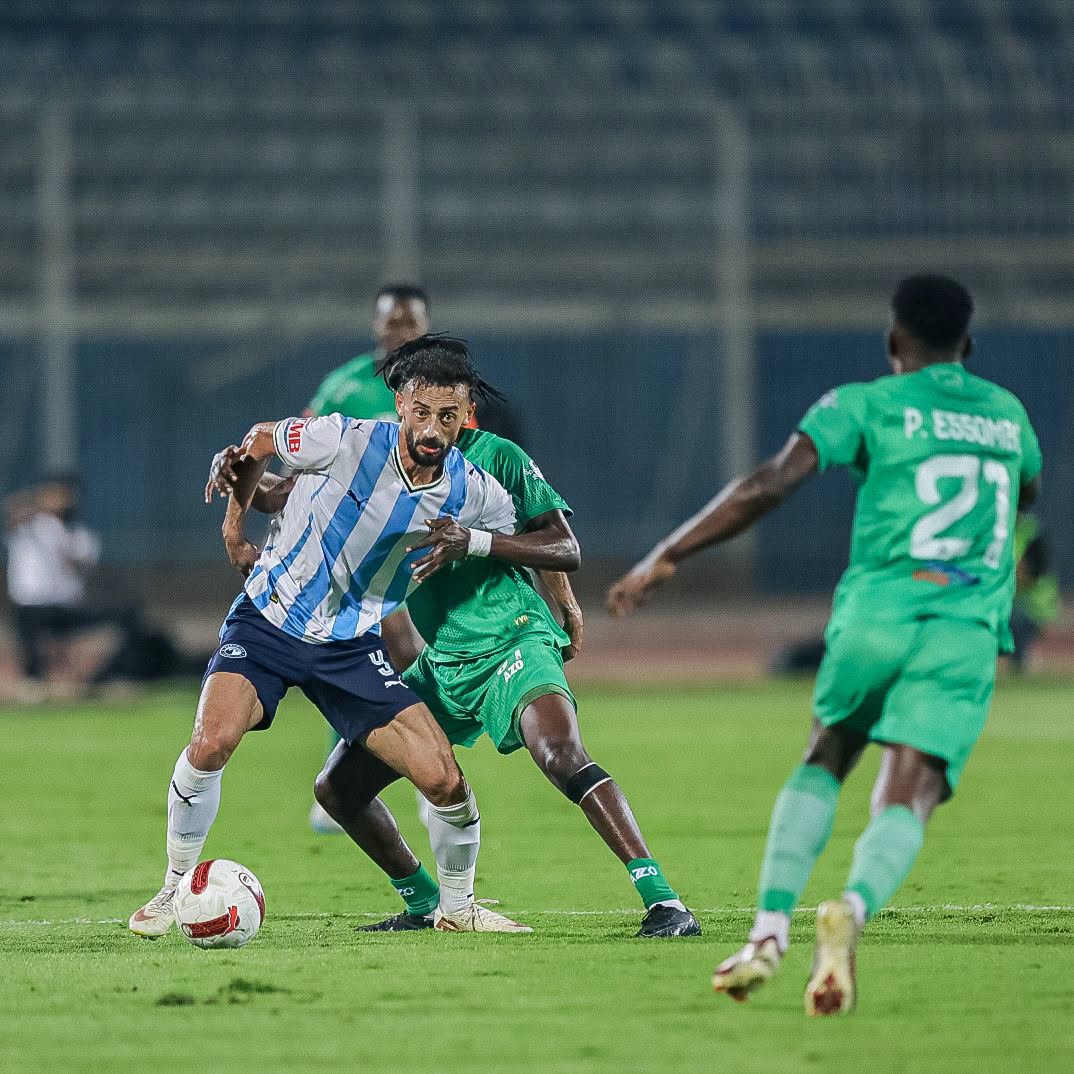
Pyramids’ financial strength cannot be ignored.
A well-funded club can recruit experienced players, keep quality alternatives on the bench and invest in facilities, medical support, analytics and player development.
Kenyan clubs operate in a much more difficult environment.
Sponsorship arrangements can change. Budgets are often tight. Players can leave when better opportunities emerge, making it difficult for clubs to retain a strong core over several seasons.
That instability affects performance.
Read Also: Top Comoros Official Hospitalized in Nairobi Amid Rising Tensions in Moroni
A coach needs time to build a tactical identity. Players need time to understand one another. Young footballers need an environment where they can develop without being rushed into becoming immediate solutions.
Pyramids, meanwhile, can bring quality players off the bench without drastically changing the team’s level.
That difference became obvious in Cairo.
But there is a danger in making the financial argument the entire explanation. If Kenyan football simply concludes that Pyramids won because they had more money, nothing changes.
The more important question is what Kenyan clubs can improve even before they reach the financial level of North African giants.
The answer begins with structure.
Kenyan clubs need better recruitment systems, stronger academies, professional conditioning programmes and coaches who are given enough time to develop teams.
The CAF Champions League should not feel like a completely different sport when Kenyan champions enter it.
Kenya’s Football Problem Starts Long Before Cairo
The gap between Gor Mahia and Pyramids was not created in Cairo.
It begins at home.
Kenyan clubs continue to face challenges around training facilities, quality pitches, stadium availability and professional preparation. Those may sound like administrative issues, but they directly affect what happens on the field.
A team cannot consistently practise quick passing, high pressing and tactical transitions if training conditions are inconsistent.
Players also need competitive matches that demand those qualities.
The first leg at Nyayo offered an early warning. Pyramids won 2-0 after scoring through Walid El Karti and Mohamed Saber, with the Egyptian side punishing defensive mistakes after Gor Mahia had started brightly.
That pattern was repeated in Cairo.
The issue, therefore, is not simply that Kenyan players are less talented.
It is that Kenyan football does not consistently expose them to the intensity, tactical demands and professional standards required at the highest level of African club football.
The Egyptian Premier League provides a different environment. Clubs regularly operate under enormous expectations, play against technically strong opponents and compete in an ecosystem where continental football is part of the normal ambition.
Kenya needs to build toward that standard.
The Football Kenya Federation and clubs cannot solve everything overnight, but there should be a deliberate effort to make domestic football more demanding and professionally managed.
Sports science should also become normal rather than exceptional.
Recovery, nutrition, injury prevention, physical conditioning and performance analysis are increasingly important in modern football. A club that wants to compete over two continental legs cannot afford to treat those areas as optional.
Gor Mahia’s Defeat Should Become A Warning
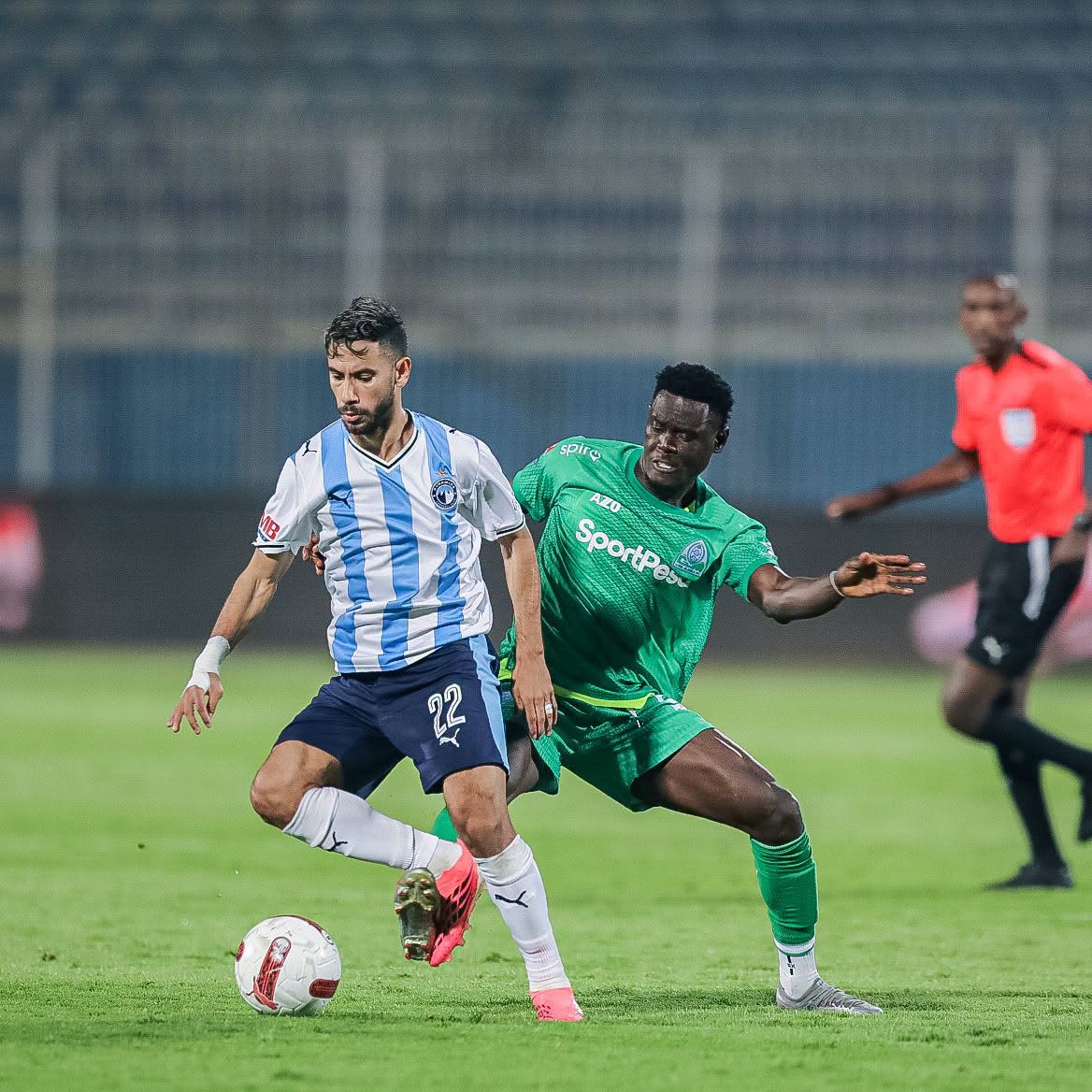
There is little value in pretending that the 7-1 aggregate defeat was simply bad luck.
It was not.
Pyramids were the better team, and they demonstrated why they are currently operating at a higher level. The official CAF report confirmed that the Egyptian side progressed after the 5-1 second-leg victory, while Gor Mahia’s campaign ended in the first preliminary round.
But Gor Mahia should not be judged only by the scoreline.
The club remains one of Kenya’s biggest football institutions and has a remarkable continental history. Gor Mahia’s African journey includes the historic 1987 Africa Cup Winners’ Cup triumph, a reminder of how significant the club has been on the continent.
That history makes the current situation even more frustrating.
Kenya has the supporters. It has talented players. It has clubs with enormous histories and passionate fan bases.
What remains missing is the system around them.
Academies need to produce players who understand modern tactical football. Clubs need long-term recruitment strategies. Coaches need stability. Domestic matches need better facilities and higher standards.
Most importantly, continental football needs to become part of the planning rather than something clubs prepare for when the draw is made.
Gor Mahia’s elimination should therefore prompt difficult questions.
Why do Kenyan champions produce encouraging moments but struggle to maintain them? Why do defensive mistakes repeatedly cost them against stronger continental opposition? Why is squad depth such a problem? And why does the gap between Kenyan clubs and North African powerhouses continue to grow?
Those questions cannot be answered by blaming players alone.
The solution requires investment, patience and institutional reform.
Gor Mahia will move on. The Kenyan champions will return to domestic competition with another title to defend and another season to navigate.y
Read Also: Kenyan marathoner remanded over Ksh8 million land fraud case
But the Cairo defeat should remain in the minds of everyone responsible for Kenyan football.
Not as a humiliation.
As evidence.
Kenya’s champions do not merely need better players. They need a better football environment capable of producing teams that can survive, compete and eventually win when the pressure rises beyond our borders.
Until that happens, Kenyan clubs will continue arriving on the continental stage with talent and hope — only to discover that against Africa’s best, neither is enough.

