
High Court Safaricom Share Ruling 2026: Public Participation Rules, Vodacom Reversal & National Asset Standards

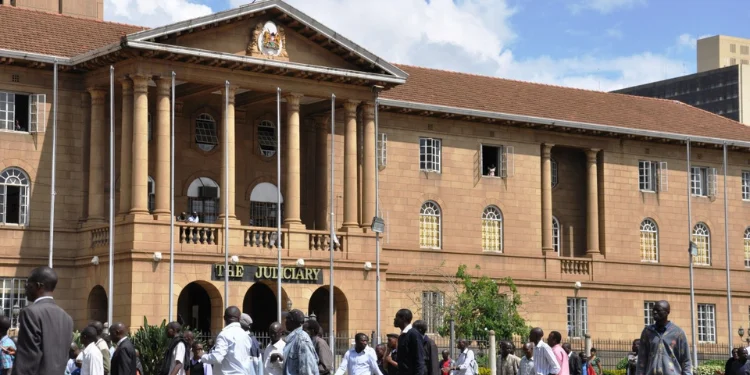
PHOTO/LSK
Kenya’s High Court has nullified the government’s sale of a 15 per cent stake in Safaricom PLC to Vodacom, creating a major legal test over how the State disposes of public assets and whether Kenyans are adequately involved in decisions involving national wealth.
A three-judge bench comprising Justices Francis Gikonyo, Roselyne Aburili and Tabitha Ouya declared the transaction unconstitutional, invalid and null and void. The court ordered the 15 per cent shareholding to be restored to the Government of Kenya on behalf of the people.
The judgment delivered on September 15, 2026 has placed the transaction, its financial proceeds and the wider government privatisation programme under renewed scrutiny.
Read Also: Pharmacy Board Looks to Shape Future of Pharmaceutical Practice
The ruling also comes at a time when Kenya has a new legal framework governing privatisation through the Privatization Act 2025, which expressly provides for transparency, accountability, public participation and protection of public resources.
What the High Court Decided
The dispute centred on the government’s decision to sell 15 per cent of its Safaricom holding to Vodacom.
The transaction involved approximately 6 billion Safaricom shares sold at KSh34 each for about KSh204.3 billion.
The High Court found that the process leading to the divestiture did not satisfy constitutional and statutory requirements. The court specifically faulted the government over the nature of public participation and the disclosure of material information concerning the transaction.
According to the judgment, the transaction was presented to Cabinet and Parliament as a partial sale of government shares. The judges, however, found that the structure had consequences extending beyond a straightforward disposal of a minority stake.
The court considered the transaction to amount to a merger, acquisition and takeover because Vodacom’s effective holding rose to 55 per cent.
The judges consequently quashed decisions and approvals connected to the transaction and ordered the 15 per cent shares to be restored to government ownership.
The ruling does not, however, represent the final stage of the dispute.
The National Treasury has indicated that it will challenge the judgment at the Court of Appeal, meaning the legal status of the transaction remains subject to further proceedings.
Why Public Participation Became Central
Public participation is one of the most important constitutional issues arising from the Safaricom dispute.
Article 10 of the Constitution identifies participation of the people, transparency and accountability as national values and principles of governance. Article 118 separately requires Parliament to facilitate public participation and involvement in its legislative and other business.
The High Court found that the participation undertaken over the Safaricom divestiture was not reasonable, meaningful and purposive.
That finding is important because public participation goes beyond simply announcing a government proposal or holding meetings.
Citizens need enough relevant information to understand what is being proposed and its possible consequences before their views can meaningfully inform the process.
Read Also: Top Comoros Official Hospitalized in Nairobi Amid Rising Tensions in Moroni
The court found that material information concerning the transaction had been concealed or misrepresented, affecting the quality of the participation process.
The judgment therefore establishes an important distinction between consultation as a formal exercise and participation as a substantive constitutional requirement.
Parliament’s Role in the Safaricom Sale
Parliament had a role in approving the transaction, and Treasury has maintained that the divestiture passed through the required government and parliamentary processes.
The Kenya News Agency reported that Treasury Cabinet Secretary John Mbadi said the transaction had gone through Cabinet approval, parliamentary committee scrutiny and a National Assembly resolution under Section 87A of the Public Finance Management Act.
The High Court nevertheless found that parliamentary approval did not cure the constitutional and legal shortcomings it identified.
That distinction could become significant for future government transactions.
Parliamentary approval can form part of a lawful process, but the judgment indicates that approval cannot automatically eliminate other constitutional requirements relating to transparency, public participation, procurement or financial accountability.
The case consequently raises a broader question about how Parliament receives and evaluates information when dealing with large public-asset transactions.
The KSh204.3 Billion Question
The financial value of the Safaricom transaction makes the case particularly significant.
The government sold its 15 per cent stake for approximately KSh204.3 billion.
There was also an arrangement involving future dividend rights attached to the government’s remaining Safaricom holding, bringing the wider transaction value reported in some accounts to more than KSh244 billion.
The court’s order to restore the 15 per cent stake therefore raises practical questions about the treatment of the money already received and the mechanics of unwinding the transaction.
Those questions could ultimately depend on the outcome of the appeal.
Vodacom has also indicated that it will challenge the judgment and seek a stay while the appeal is determined.
An appeal therefore means that the legal dispute over the transaction is continuing rather than being conclusively settled by the High Court judgment.
Safaricom as a Strategic National Asset
The dispute has also highlighted the importance of Safaricom to Kenya’s economy.
Safaricom is one of the country’s largest telecommunications companies and operates M-Pesa, a financial platform used extensively by households, businesses and institutions.
The company also operates critical communications infrastructure.
That combination makes the government’s shareholding different from an ordinary investment in a publicly listed company.
The High Court considered issues surrounding the consequences of the transaction, including the change in effective control arising from Vodacom’s increased holding. The judges found that the transaction should have been treated according to the legal consequences of that change rather than simply as the disposal of a government shareholding.
The judgment also raised questions around competition law, capital-markets regulation and procurement.
The court found that the transaction contravened provisions of the Capital Markets Act and the Competition Act, among other legal requirements. It also faulted the procurement of transaction advisory services involving KCB Investment Bank.
What the Privatization Act 2025 Says
The Safaricom case comes against the background of Kenya’s new Privatization Act 2025.
The law provides principles that include Article 10 national values, Article 201 principles of public finance, transparency, accountability, efficiency, sustainability and value for public resources.
The Privatization Authority explains that privatisation can involve a full or partial transfer of ownership or control of public assets or shares to the private sector.
The Authority also states that valuation must be undertaken for each privatisation and that proceeds from the sale of direct National Government shareholding are paid into the Consolidated Fund.
These provisions give future government asset sales a defined statutory framework.
The Safaricom judgment could nevertheless become an important reference point for determining how that framework interacts with broader constitutional obligations.
Public Money and Accountability
Another issue emerging from the judgment concerns the use of proceeds generated from government asset sales.
The National Assembly had approved the Safaricom divestiture with provisions directing proceeds towards the National Infrastructure Fund.
The question raised by the court is whether the public was given sufficient information about the transaction and the intended use of the proceeds to allow meaningful scrutiny.
That issue connects directly to Article 201 of the Constitution, which establishes principles of openness and accountability in public finance.
Read Also: Kenyan marathoner remanded over Ksh8 million land fraud case
The principle has significance beyond Safaricom.
Whenever the government sells an asset belonging to the public, citizens have an interest not only in the price obtained but also in the process used to determine that price, the legal basis for the sale and how the resulting revenue is managed.
What Happens Next?
The immediate next stage is the appellate process.
Treasury has said it will appeal the High Court judgment, while Vodacom has also announced plans to challenge the decision at the Court of Appeal.
Vodacom’s appeal means the court system will now have another opportunity to examine the legal questions surrounding the transaction.
Safaricom has also indicated that it is reviewing the judgment and its implications while the legal process continues. The company said its operations in Kenya and Ethiopia would continue as the dispute proceeds.
The Court of Appeal will therefore be important in determining what happens to the High Court orders during the next phase of the case.
What the Ruling Could Mean for Future Government Asset Sales
The Safaricom case has established a significant legal dispute over the standards applicable to government divestiture.
The High Court has placed particular emphasis on meaningful public participation, disclosure of material information, transparency and compliance with other applicable laws.
The decision could encourage closer scrutiny of future transactions involving public companies and strategic assets.
Government agencies involved in future divestitures may face questions about whether citizens received sufficient information, whether Parliament had access to material transaction documents, whether valuations were properly conducted and whether regulatory approvals were obtained.
The Privatization Authority’s guidance already provides that the authority oversees and coordinates privatisation and that public assets can be transferred through mechanisms including an initial public offering, public tender or other legally approved methods.
The Safaricom dispute now adds a major judicial interpretation to the debate.
A Legal Test Beyond Safaricom
The High Court ruling is ultimately about more than one share transaction.
It raises questions about how Kenya balances government revenue needs, private investment, public ownership, national interests and constitutional accountability.
The government maintains that the Safaricom divestiture was properly approved and has announced plans to challenge the judgment. Vodacom is also pursuing an appeal.
The High Court, however, found that the transaction was undertaken in violation of constitutional and statutory requirements and ordered the 15 per cent stake restored to the State.
The final legal position will therefore depend on the appellate proceedings.
For Kenya’s wider privatisation programme, the case provides an important reminder that selling a public asset involves more than determining a price. The constitutional process, disclosure of relevant information, public participation, regulatory compliance and accountability for public resources can all become decisive issues when such transactions are challenged in court.

