
Kenya Shilling Stability 2026: CBK Forex Reserves, Inflation Trends & Monetary Policy Impact

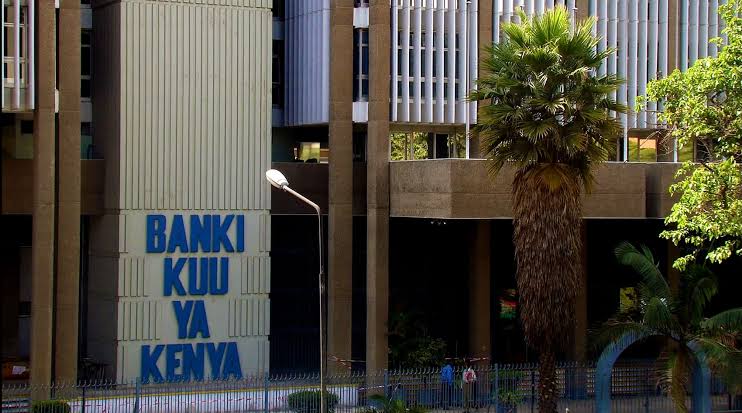
Central Bank of Kenya
Kenya’s economic outlook in 2026 is being shaped by three closely connected indicators: the performance of the Kenya shilling, the country’s foreign exchange reserves and the direction of inflation.
The relationship matters because movements in the shilling can influence the cost of imported fuel, machinery, pharmaceuticals, food inputs and other goods. At the same time, Central Bank of Kenya (CBK) monetary policy affects borrowing costs, liquidity and the ability of businesses and households to access credit.
Recent official data presents a more nuanced picture than a simple story of currency stability. The Central Bank of Kenya has maintained a substantial foreign exchange buffer, while the shilling has operated in a relatively more stable environment than during periods of severe foreign-exchange pressure. However, inflation accelerated to 6.6% in August 2026, moving above the midpoint of the CBK’s target range.
Read Also: Pharmacy Board Looks to Shape Future of Pharmaceutical Practice
Data from the Kenya National Bureau of Statistics shows that the increase was driven mainly by food, transport and housing-related costs.
CBK Foreign Exchange Reserves and Import Cover
Foreign exchange reserves are one of the most important buffers supporting Kenya’s external position.
They give the Central Bank of Kenya room to manage liquidity in the foreign exchange market and provide a cushion against external shocks. Reserves can also help maintain confidence among importers, investors and other participants who need access to foreign currency.
CBK reported foreign exchange reserves of US$12.458 billion in February 2026, equivalent to 5.37 months of import cover. The central bank described the reserves as an adequate buffer against short-term domestic and external shocks.
That figure is important when assessing claims about Kenya’s reserve position in 2026.
Some discussions have placed Kenya’s reserves at around US$14.8 billion or more than six months of import cover. However, the official CBK figure available in the February monetary policy statement was US$12.458 billion and 5.37 months of import cover. The distinction matters because reserve levels change as the country receives export earnings, remittances, external financing and other foreign-currency inflows while meeting external obligations.
A reserve position should therefore be assessed using the latest official CBK monetary policy publications rather than an older projection or an unrelated foreign-exchange figure.
Import cover is particularly significant because it expresses reserves in terms of the country’s ability to finance imports. A higher number of months generally provides a larger external liquidity cushion, although reserve adequacy also depends on debt obligations, capital flows, exchange-rate conditions and the composition of reserves.
Read Also: Top Comoros Official Hospitalized in Nairobi Amid Rising Tensions in Moroni
Kenya’s external position has also benefited from remittances and export receipts. CBK’s February assessment noted that the current-account deficit was projected at 2.2% of GDP in both 2026 and 2027 and expected to be more than fully financed by financial-account inflows.
That combination can reduce pressure on the foreign-exchange market when inflows remain sufficient to meet external financing needs.
What Foreign Reserves Mean for the Kenya Shilling
The CBK foreign exchange market framework plays an important role in maintaining orderly conditions in the foreign-exchange market.
A stable exchange rate does not mean that the shilling never moves against the US dollar or other major currencies. Instead, it means that the currency can absorb changes in demand and supply without disorderly movements that threaten financial stability.
Foreign-exchange reserves can support confidence because market participants know that the country has a pool of external assets available to meet foreign-currency obligations and respond to short-term pressures.
The effect also extends to inflation.
Kenya imports fuel, industrial inputs, machinery, medicines and a wide range of consumer products. A sharp weakening of the shilling can make these imports more expensive in local-currency terms. Businesses may then pass some of the additional costs to consumers.
Currency stability can therefore reduce one potential source of imported inflation.
The relationship is not automatic, however. Domestic food supply, international oil prices, transport costs, taxation, weather conditions and global commodity prices can all influence inflation independently of the exchange rate.
That distinction is becoming particularly relevant in 2026 because Kenya’s latest inflation increase has been driven by several components of the consumer basket.
Kenya Inflation Rises to 6.6% in August 2026
Kenya’s annual inflation rate reached 6.6% in August 2026, up from 6.5% in July.
According to the KNBS August 2026 Consumer Price Index report, food and non-alcoholic beverages recorded annual inflation of 9.0%. Transport prices increased by 15.7%, while housing, water, electricity, gas and other fuels rose by 3.6%.
Those three categories together account for more than 57% of the weight of Kenya’s 13 major expenditure divisions, making their movements particularly important to the overall inflation rate.
The August figures show why headline inflation needs to be examined beyond a single percentage.
Transport inflation of 15.7%, for example, can have wider consequences because transportation costs feed into the prices of goods moved from farms, factories, ports and distribution centres to consumers.
Food inflation has an even more direct effect on household budgets.
The August increase also illustrates why exchange-rate stability alone cannot eliminate inflationary pressure. A relatively stable shilling can limit the impact of imported costs, but domestic supply conditions and international commodity prices can still push consumer prices higher.
Headline Inflation vs Core Inflation
Headline inflation captures movements across the entire consumer basket. Core inflation is intended to provide a measure of underlying price pressures by excluding or reducing the influence of particularly volatile components.
The distinction is useful for monetary policy because central banks generally need to determine whether an inflation increase is temporary or likely to persist.
Kenya’s August 2026 headline inflation figure of 6.6% therefore needs to be interpreted alongside the individual components of the Consumer Price Index published by KNBS.
The KNBS release identifies food, transport and housing-related categories as the main contributors to the annual increase.
That composition matters to the CBK because monetary policy cannot directly increase food production or reduce global oil prices. Interest-rate decisions work through financial conditions, demand, credit and expectations.
CBK Monetary Policy and the 8.75% Central Bank Rate
The Central Bank Rate (CBR) remains one of the most closely watched indicators by banks, businesses and investors.
The CBK monetary policy framework shows the CBR at 8.75%, including decisions recorded in 2026.
The rate is significant because it influences the broader cost of money in the economy.
A lower policy rate can create room for commercial banks to reduce lending rates, although the effect is not immediate or uniform. Banks also consider credit risk, funding costs, capital requirements, operating costs and the financial condition of individual borrowers.
CBK’s monetary policy assessment provided evidence that the earlier easing cycle was already feeding into credit conditions.
Read Also: Kenyan marathoner remanded over Ksh8 million land fraud case
Average commercial-bank lending rates stood at 14.8% in January 2026, down from 15.0% in October 2025 and 17.2% in November 2024. Private-sector credit growth also improved to 6.4% in January 2026 from 5.9% in December 2025 and -2.9% in January 2025.
That trend is important for businesses seeking working capital, expansion financing or investment loans.
Lower lending rates can reduce the interest burden on existing variable-rate loans and make some new projects more financially viable. Improved credit growth can also support activity in sectors such as trade, construction, manufacturing and consumer goods.
The transmission, however, depends on how quickly commercial banks adjust their lending rates and how much credit demand exists at the prevailing rates.
What the 2026 Policy Environment Means for Businesses
Kenyan businesses are facing a combination of opportunities and pressures.
A relatively stable foreign-exchange environment can make it easier for import-dependent companies to budget for dollar-denominated purchases. Businesses importing equipment or raw materials can also benefit from reduced uncertainty around foreign-currency costs.
Higher inflation presents a different challenge.
When food, transport and household expenses rise, consumers may have less disposable income for discretionary products and services. Companies can consequently face pressure from both higher operating costs and weaker consumer purchasing power.
The CBR therefore has an important balancing role.
Maintaining a relatively accommodative monetary environment can support economic activity and private-sector credit. At the same time, policymakers must monitor whether inflation is becoming persistent enough to threaten price stability.
Kenya Shilling Exchange Rate 2026: What to Watch
Several indicators will remain important through the rest of 2026.
Foreign exchange reserves will show the size of Kenya’s external liquidity buffer. Rising reserves can strengthen confidence, while sustained declines could increase attention on external financing and currency pressures.
Import cover will provide another measure of reserve adequacy. The February figure of 5.37 months shows why the latest official data should be followed rather than assuming that Kenya has already moved above six months.
Inflation will remain central to monetary policy decisions. The jump to 6.6% in August puts greater focus on food, transport and energy-related price developments.
The Central Bank Rate will determine the broad direction of monetary conditions. CBK’s 8.75% rate has already been accompanied by lower average commercial-bank lending rates compared with 2024.
Private-sector credit growth will show whether improved monetary conditions are translating into actual financing for businesses and households.
Kenya’s monetary policy challenge in 2026 is therefore not simply about defending the shilling or reducing interest rates. It involves managing the interaction between external reserves, inflation, credit conditions and economic activity.
The available official data points to a financial system with a substantial foreign-exchange buffer and an 8.75% policy rate, but August’s 6.6% inflation figure demonstrates that price pressures remain significant.
The direction of the Kenya shilling exchange rate in 2026 will depend on foreign-currency inflows, import demand, global commodity prices, investor flows and broader international financial conditions.
Businesses and households will consequently be watching the next CBK monetary policy communications alongside monthly inflation and foreign-exchange data from KNBS.
The combination of reserve adequacy, inflation trends and monetary-policy decisions will provide a clearer picture of whether Kenya can sustain currency stability while improving access to affordable credit.