
Education committee takes public participation on reform bills to 16 more counties

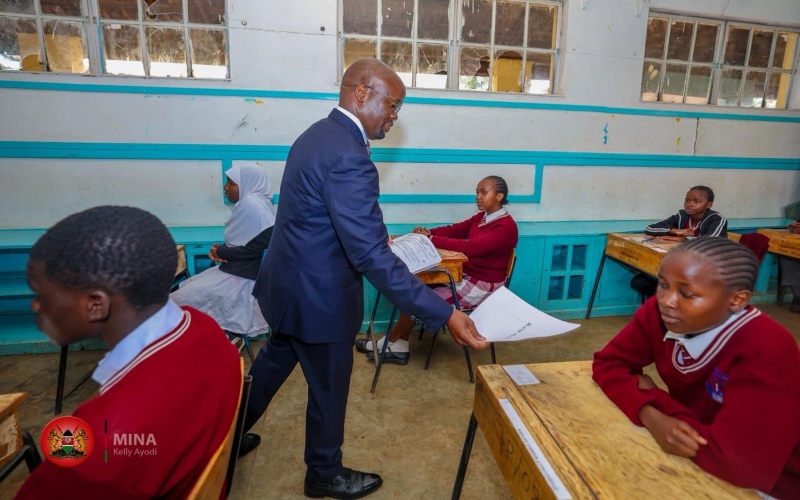
Public participation on proposed education reforms is moving into a second phase, with the National Assembly Education Committee preparing to hold hearings across 16 additional counties.
The exercise follows the committee’s Nairobi sessions and seeks to gather views from teachers, parents, education stakeholders and members of the public before MPs advance six major education reform bills.
The hearings are anchored in Article 118 of the Constitution of Kenya, which requires Parliament to facilitate public participation in its legislative and other business.
Read Also: Pharmacy Board Looks to Shape Future of Pharmaceutical Practice
The second phase expands the consultation beyond Nairobi, bringing the legislative process closer to communities in counties including West Pokot, Marsabit, Mandera and Nandi.
Phase Two County Hearing Timetable
The county forums will give residents an opportunity to make oral presentations and submit written memoranda on the proposed legislation.
The National Assembly Departmental Committee on Education, chaired by Julius Melly, is expected to use the hearings to collect views that can inform amendments before the bills proceed through the parliamentary process.
The outreach to frontier and Rift counties is significant because education challenges vary considerably across regions. Issues affecting schools in arid and semi-arid counties may differ from those confronting institutions in densely populated or urban areas.
Read Also: Top Comoros Official Hospitalized in Nairobi Amid Rising Tensions in Moroni
Residents attending the hearings can therefore raise concerns about access to schools, staffing, infrastructure, examinations, financing and other matters addressed by the proposed legislation.
Parliament’s public participation framework provides information on how members of the public can engage with parliamentary processes.
The county hearings also provide an avenue for stakeholders who may not have participated in the Nairobi sessions to place their views before the committee.
Memorandum Submission Integrity
Public participation does not end with attending a hearing.
Teachers, parents, professional organisations, civic groups and other interested parties can submit memoranda containing specific recommendations on the proposed provisions.
Written submissions provide parliamentary committees with a record that can be reviewed alongside oral presentations.
The process is particularly important for technical education legislation because some proposed amendments can affect institutions, learners and education professionals for years after enactment.
Parliamentary committees ordinarily consider evidence and submissions received during public participation before preparing their reports and recommendations to the House.
The National Assembly publishes committee business, bills and reports through its official parliamentary information channels.
Stakeholders participating in the second phase should therefore clearly identify the provision they support or oppose, explain the potential effect and provide an alternative proposal where appropriate.
Statutory Overhaul Mandate
The six education reform bills place several areas of Kenya’s education system under legislative review, including basic education, national assessments and tertiary education funding.
The proposed changes come against a wider restructuring of education financing and administration, including efforts to clarify responsibilities between government institutions and improve how learners are assessed and supported.
National assessment is particularly important because examination and assessment systems determine how learners’ progress is measured and how institutions account for educational outcomes.
Tertiary funding also remains a major issue because changes to financing frameworks can affect how students access universities, colleges and other post-secondary institutions.
The committee’s county consultations therefore give citizens an opportunity to address both the technical details of the bills and their likely practical consequences.
Read Also: Kenyan marathoner remanded over Ksh8 million land fraud case
Article 118 provides the constitutional foundation for Parliament’s engagement with the public, making consultation an important part of the legislative process rather than simply an administrative exercise.
The second phase across 16 counties will widen that engagement and allow more communities to place their views on record before the committee finalises its consideration of the proposed education reforms.

