
Diplomatic Misconduct & Foreign Policy: U.S. Ambassador Resignation in Greece

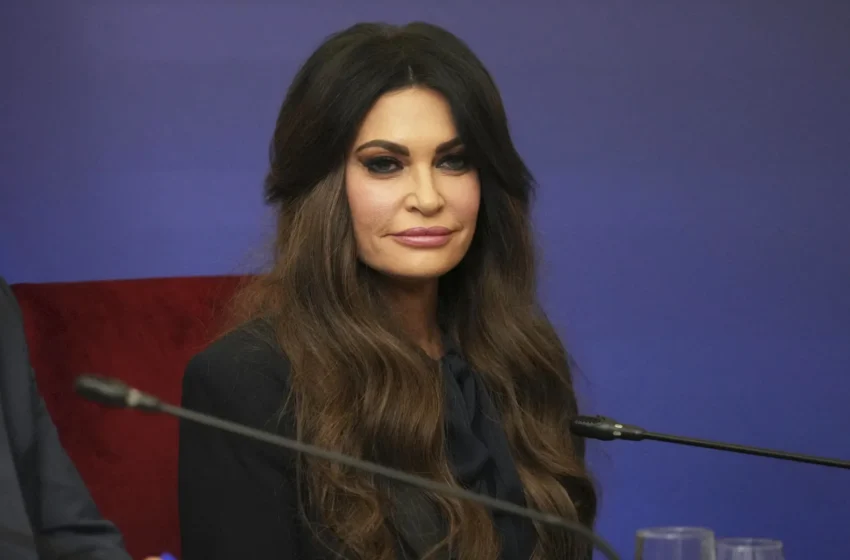
The resignation of Kimberly Guilfoyle as United States ambassador to Greece has raised fresh questions about diplomatic ethics, political influence and the standards expected of officials representing Washington abroad.
The White House confirmed on October 13, 2026, that it had asked Guilfoyle to resign following a series of media reports alleging inappropriate conduct before and during her diplomatic posting. The decision followed scrutiny over claims involving a political donor, private business interests, gifts and access to senior US administration officials.
Read Also: Pharmacy Board Looks to Shape Future of Pharmaceutical Practice
Guilfoyle, a former television host, California prosecutor and prominent ally of President Donald Trump, denied wrongdoing and said she intended to defend her reputation. Her departure came less than a year after she began serving in Athens, placing renewed attention on the process through which political appointments are held accountable. <Link url=”https://www.reuters.com/world/europe/white-house-says-us-ambassador-greece-guilfoyle-asked-to-resign-2026-10-13/” title=”Reuters reported on the White House decision and the allegations”/>.
The episode has implications beyond the individual ambassador. Greece occupies an important position in NATO and European security, with strategic relevance to the Eastern Mediterranean, military cooperation and energy supply routes. A change in diplomatic leadership therefore comes at a time when the United States and Greece continue to manage significant security and economic interests.
The central issue is not simply the departure of a political appointee. It is whether the standards governing diplomatic conduct can maintain public confidence when allegations concern the use of political connections for potential private benefit.
White House Moves to End Guilfoyle’s Tenure
The decision to seek Guilfoyle’s resignation followed weeks of reporting about her conduct and relationships with political donors and business figures.
White House press secretary Katie Zacharia confirmed the administration’s position during a briefing on October 13, saying Guilfoyle had been asked to step down. The announcement followed President Trump’s public expression of dissatisfaction with the reports.
According to <Link url=”https://www.theguardian.com/us-news/2026/oct/13/kimberly-guilfoyle-ambassador-greece-step-down” title=”The Guardian’s account of Guilfoyle’s departure”/>, the White House action came after reports that she had sought payment from a Trump donor in exchange for access to administration officials.
The allegations placed the administration in a difficult position. Guilfoyle had longstanding connections to Trump’s political circle, having previously been engaged to his eldest son, Donald Trump Jr. Her appointment had drawn attention because of those political relationships and her background in media and law.
The Senate confirmed her nomination in September 2025, following Trump’s announcement of his choice in December 2024.
Her departure illustrates how political appointments can become a source of institutional pressure when allegations threaten to overshadow the work of a diplomatic mission. It also demonstrates that personal loyalty and political relationships do not necessarily shield an official from demands to leave office.
However, a resignation following allegations should not itself be treated as proof that every claim made against the official has been established.
Allegations Involving a Political Donor
One of the most serious allegations concerned a reported request for a $100,000 payment to cover a personal American Express credit card bill shortly before Guilfoyle’s Senate confirmation hearing.
The Wall Street Journal reported that donor Eric Deters had been asked to make the payment and that messages described an offer of access to senior administration officials in return. Deters said he did not make the payment.
The account raised questions about whether personal financial interests had become entangled with political access. If an official were to exchange government access for a private financial benefit, that could raise serious ethical and legal concerns, depending on the evidence and applicable rules.
Guilfoyle’s lawyer disputed the authenticity of the messages cited in reporting. Her side maintained that money discussed in communications related to outstanding payments for travel and speaking engagements predating her nomination, rather than an improper exchange for official access.
The competing accounts remain important to the public record. The allegations should be distinguished from findings by an independent investigation or a court.
The controversy also prompted calls from Democratic lawmakers for scrutiny of Guilfoyle’s conduct. Their concerns focused on whether the reported communications and relationships were compatible with the responsibilities of a US ambassador.
The Wall Street Journal’s reporting on the White House request for Guilfoyle to resign outlines the donor-related allegations that contributed to the controversy.