AFCON Facility Upgrades 2026: Sports Kenya Stadium Renovation Progress Technical Inspection Timelines

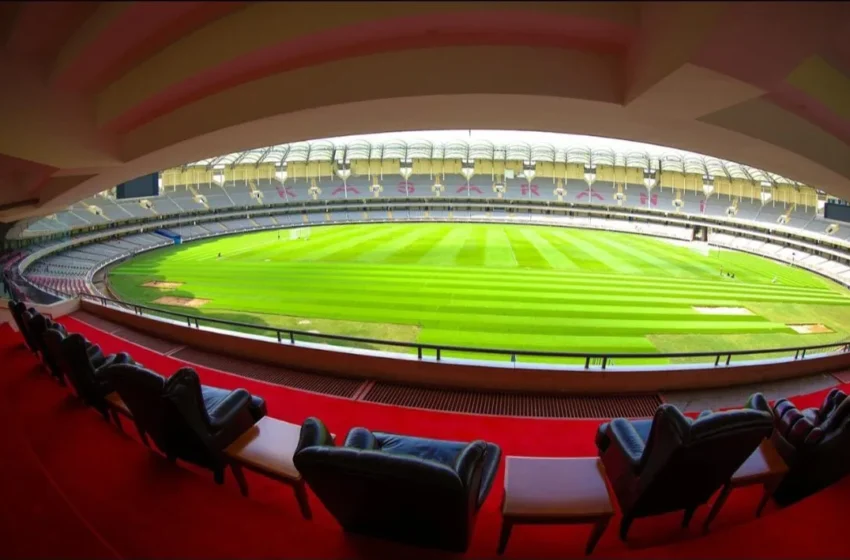
Kasarani Stadium. IMAGE/ Courtesy
Preparations for the 2027 Africa Cup of Nations (AFCON) have reached a critical stage, with renovation work at Moi International Sports Centre, Kasarani, progressing alongside a funding dispute that has interrupted upgrades at Nyayo National Stadium.
The two facilities have different roles in the tournament preparations, but both are important to Kenya’s ability to meet the Confederation of African Football (CAF) requirements. Kasarani is being upgraded as a proposed match venue, while Nyayo is expected to support the tournament as a training facility.
The latest developments expose the challenge facing the government as it works towards the continental competition, scheduled to run from June 19 to July 17, 2027, in Kenya, Uganda and Tanzania.
While officials have expressed confidence in the country’s preparations, the remaining work at both stadiums raises questions about funding, contractor performance, technical compliance and the time available for final inspections.
Read Also: Pharmacy Board Looks to Shape Future of Pharmaceutical Practice
According to an October 2026 report by K24 Digital, grass planting has commenced at Kasarani, marking a significant stage in the rehabilitation of the playing surface. At Nyayo, however, a Senate committee was informed that renovation work had stopped after the contractor moved off-site over outstanding payments.
The developments make stadium readiness one of the most important infrastructure tests in Kenya’s AFCON preparations.
Kasarani Stadium: Pitch Renovation Enters a Critical Phase
Moi International Sports Centre, Kasarani, remains central to Kenya’s plans to host matches during AFCON 2027. The facility has been undergoing extensive upgrades intended to bring it in line with international football standards.
The latest progress report, published on October 8 by K24 Digital, indicated that grass planting had begun on the main playing surface. The work follows earlier phases of renovation aimed at improving the stadium’s infrastructure and match-day facilities.
The latest Kasarani pitch update also highlighted the need to complete the work, test the playing surface and ensure the venue is ready for high-level competition.
Grass planting is a visible milestone, but it does not by itself establish that a pitch is ready for international matches. The surface must mature and undergo appropriate technical assessments before it can safely accommodate competitive football.
Other requirements also matter, including player changing rooms, media facilities, spectator access, safety arrangements, security systems, lighting and operational infrastructure.
The government has previously said that Kasarani is expected to meet the required standards by December 2026. That deadline leaves limited room for delays, particularly if technical inspections identify additional work.
In September, Sports Principal Secretary Elijah Mwangi said the latest CAF assessment had identified areas requiring attention, including improvements to press conference facilities and the media tribune. Officials indicated that contractors were working to address the outstanding requirements.
The September 2026 infrastructure update provides further context on the government’s position regarding the stadium programme.
The immediate priority at Kasarani is therefore to convert construction progress into verified operational readiness.
Nyayo Stadium: KSh984 Million Funding Gap Interrupts Renovations
The situation at Nyayo National Stadium presents a different challenge.
On October 6, 2026, the Senate Committee on Labour and Social Welfare was informed that renovation work had been suspended after the contractor stopped operations over unpaid bills.
According to the official parliamentary account of the inspection, the project contract is valued at KSh1.184 billion, but only KSh200 million had been paid. The resulting outstanding balance was reported at KSh984 million.
Sports Kenya Deputy Director-General Gabriel Komora told the committee that the contractor was seeking payment, including an instalment of KSh650 million, which had not been received.
The funding dispute is significant because Nyayo is expected to serve as a training venue for AFCON 2027. Training facilities are essential to tournament operations, providing teams with suitable pitches and supporting infrastructure during preparations and competition.
Read Also: Top Comoros Official Hospitalized in Nairobi Amid Rising Tensions in Moroni
Several components of the Nyayo upgrade had already been completed, including drainage improvements, floodlights and CCTV installations. Nevertheless, the parliamentary inspection identified outstanding work involving the connection of floodlights to the national grid, LED screens, a scoreboard, perimeter works, turnstiles, ticketing systems and facilities for persons with disabilities.
These remaining items demonstrate why a stadium cannot be considered fully ready merely because some visible improvements have been completed.
The Senate committee report also highlighted concerns about how available funds should be prioritised across stadium projects required for the tournament.
Resolving the payment dispute will be crucial to restoring work at Nyayo. Even if completed installations meet their specifications, the facility still needs the remaining systems finished, tested and accepted by the relevant authorities.
CAF Inspection Schedule and Technical Compliance
CAF inspections are intended to establish whether proposed venues and supporting infrastructure meet the requirements for hosting the tournament.
The assessment goes beyond the appearance of a stadium. Inspectors consider playing surfaces, player facilities, spectator safety, media operations, security, accessibility and other technical and operational requirements.
Kenya received a CAF inspection delegation in August 2026, followed by further assessments and engagements with tournament officials. The inspections covered stadiums and other supporting infrastructure needed for AFCON.
According to The Standard’s August 27 report, the delegation assessed the country’s preparations and identified areas requiring attention before the competition.
The subsequent work programme has focused on addressing outstanding technical requirements. Sports Cabinet Secretary Salim Mvurya also held discussions with contractors, CAF representatives, the Local Organising Committee and technical officers in October to review project schedules and resolve bottlenecks.
A report published by K24 Digital on October 14 said the meeting focused on technical guidelines, construction schedules and readiness ahead of the next inspection.
However, a specific date for the next CAF stadium inspection has not been confirmed in the official information reviewed for this article. December 2026 has been cited as an important completion and handover milestone for key facilities, but that should not be confused with a confirmed inspection appointment.
The government will need to provide clear updates on outstanding works, completion certificates and any further inspection schedule to demonstrate that the venues are progressing towards compliance.
Stadium Renovation Progress and Inspection Targets
The following table summarises the status of the two facilities and the key milestones against which their readiness should be assessed.
| Facility Name | Renovation Scope | CAF Inspection Target |
|---|---|---|
| Moi International Sports Centre, Kasarani | Main pitch rehabilitation and grass establishment, structural and spectator facilities, media areas and other outstanding technical upgrades | December 2026 has been cited as a key completion and handover milestone. The date of the next CAF inspection has not been publicly confirmed in the sources reviewed. |
| Nyayo National Stadium | Drainage, floodlights, CCTV, LED screens, scoreboard, perimeter works, turnstiles, ticketing and disability-access facilities | Completion of outstanding works and technical verification ahead of AFCON 2027. No confirmed date for a dedicated next CAF inspection has been published in the sources reviewed. |
The deadlines should be understood as project-readiness milestones rather than guarantees of final approval. CAF must still assess whether the facilities satisfy the applicable requirements.
Funding, Accountability and the Cost of Delays
The stadium programme illustrates how infrastructure delivery depends on more than construction plans. Contractors need timely payments, project managers must monitor progress and government agencies must ensure that public funds are directed towards agreed milestones.
At Nyayo, the reported KSh984 million outstanding balance has become a direct obstacle to continued work. Any prolonged suspension could push back the installation and testing of essential systems.
Kasarani faces a different risk: the pressure to complete pitch rehabilitation and other upgrades within a limited period. The playing surface needs sufficient time to establish properly, while other facilities must be ready for inspection and operational testing.
The government has to balance speed with quality. Rushing construction to meet a deadline could leave defects that require expensive corrections, while delayed work could reduce the time available to address problems before the tournament.
Public accountability is equally important. Regular progress reports should identify completed work, outstanding items, contractor payments and the deadlines attached to each project.
These details would allow Parliament and the public to evaluate whether the stadium programme is progressing against measurable targets rather than broad assurances.
What Stadium Readiness Means for AFCON 2027
The tournament offers Kenya an opportunity to strengthen its sporting infrastructure and attract football supporters, visitors and commercial partners. Successfully preparing the facilities could also leave a longer-term legacy for domestic football and other sporting events.
However, that potential depends on delivering functional facilities rather than simply completing construction.
Kasarani must provide a suitable match environment if it is approved for that role, while Nyayo must offer training facilities that meet the relevant requirements. Both venues need working safety systems, reliable lighting, appropriate access arrangements and properly maintained playing surfaces.
The Kenya News Agency’s June 2026 infrastructure report recorded government assurances that the wider programme was progressing. The subsequent reports of a funding interruption at Nyayo and continuing pitch work at Kasarani show why progress must be assessed facility by facility.
Read Also: KNEC Grade 10 Assessment 2026: Guidelines, Timelines & School Requirements
Kenya is co-hosting AFCON with Uganda and Tanzania, making coordination across the three countries another important part of the preparations. Stadium readiness must align with the tournament’s broader requirements for transport, accommodation, security, training facilities and match operations.