
CAF Approves Kiswahili as Official Language in Historic Milestone for East African Football

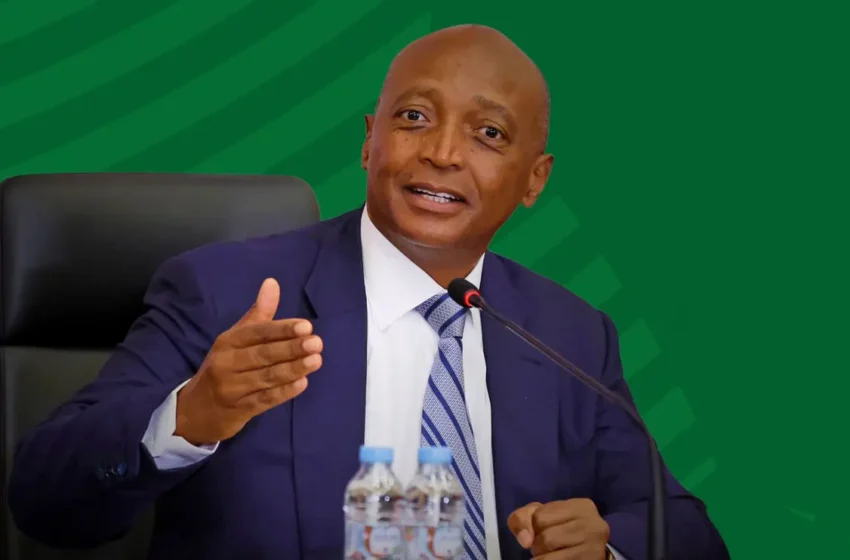
Kiswahili has secured a historic position in African football administration after the Confederation of African Football (CAF) approved the language as one of its official languages during the 48th Ordinary General Assembly in Abuja, Nigeria, on Saturday, November 21, 2026.
The decision followed a proposal by the Tanzania Football Federation (TFF), which received support from Football Kenya Federation (FKF) and the Federation of Uganda Football Associations (FUFA). Delegates from CAF’s 54 member associations overwhelmingly supported the proposal, paving the way for Kiswahili to join English, French, Arabic and Portuguese as recognised languages under the continental body’s statutes.
CAF President Patrice Motsepe announced the decision, describing it as an important step towards embracing Africa’s linguistic and cultural diversity in football administration.
Read Also: KNEC Grade 10 Assessment 2026: Guidelines, Timelines & School Requirements
The development carries particular significance for East Africa, where Kiswahili is widely spoken across Kenya, Tanzania and Uganda. It also comes as the three countries prepare to jointly host the 2027 Africa Cup of Nations (AFCON), creating an opportunity to strengthen regional representation in continental football.
Beyond its symbolic importance, the approval could influence how CAF communicates with football associations, supporters, broadcasters, match officials and journalists across the continent.
The same Abuja assembly also reaffirmed the unanimous support of CAF’s 54 member associations and its Executive Committee for Gianni Infantino’s re-election as FIFA President ahead of the March 2027 election in Morocco.
How Kiswahili Became an Official CAF Language
The campaign to secure official recognition for Kiswahili was spearheaded by Tanzania through its football federation.
According to the Tanzania Football Federation, the approval followed amendments to CAF’s statutes, allowing Kiswahili to become part of the organisation’s official language framework.
TFF President Wallace Karia led the Tanzanian football delegation in advancing the proposal, which received support from Kenya and Uganda.
CAF President Motsepe acknowledged the contribution of the three East African countries and congratulated them following the decision.
The development followed a process that Tanzania had been pursuing for approximately three years, according to the federation’s announcement.
Previously, CAF’s language framework recognised French, English, Arabic and Portuguese. The addition of Kiswahili expands that list to five official languages.
In its official statement published on November 21, CAF confirmed that the General Assembly had adopted the resolution, explaining that the decision reflected the organisation’s commitment to strengthening the representation of African languages in football administration.
The CAF announcement also confirmed that representatives from all 54 member associations attended the assembly.
What the Decision Means for Football Fans in Kenya, Tanzania and Uganda
The recognition of Kiswahili creates an opportunity for millions of football supporters to engage more directly with continental football administration.
Fans in Kenya, Tanzania and Uganda regularly follow CAF competitions, including AFCON, the CAF Champions League, the Confederation Cup and women’s football tournaments.
Official-language recognition could make important announcements, competition information, administrative updates and other institutional communication more accessible to Kiswahili-speaking audiences.
Supporters who are more comfortable consuming information in Kiswahili could benefit from official material translated into a language widely understood across the region.
The change may also strengthen communication during major tournaments, particularly where supporters travel across national borders to attend matches.
However, CAF’s announcement does not mean that every competition will immediately feature Kiswahili commentary or that all existing broadcasts will change language.
The practical arrangements, including translation schedules, interpretation services and broadcast partnerships, will determine how quickly supporters experience the change.
The 2027 AFCON tournament could provide an important opportunity to demonstrate how the new language status can be incorporated into continental football activities.
What Kiswahili Recognition Means for Broadcasters and Commentators
Sports broadcasters across East Africa could become important beneficiaries of CAF’s decision as the organisation develops its official communication framework.
Kenyan television and radio stations already rely heavily on Kiswahili when covering local football competitions and international sporting events.
Broadcasters in Tanzania and Uganda also have established Kiswahili-speaking audiences, creating a regional market for football coverage delivered in the language.
The new recognition could create opportunities in several areas:
1. Official CAF communication: Broadcasters may have improved access to official announcements, competition updates and institutional information in Kiswahili as implementation progresses.
2. Match commentary: The decision could strengthen discussions around Kiswahili commentary services during CAF competitions, although individual broadcast arrangements will still depend on CAF and its media partners.
3. Football analysis: Sports analysts could increasingly use standardised Kiswahili football terminology when explaining tactical developments, disciplinary decisions and competition regulations.
4. Regional audience engagement: Media organisations could develop more accessible football programming for supporters across Kenya, Tanzania and Uganda.
5. Digital sports content: Online publishers, sports websites and social media broadcasters may have additional opportunities to produce Kiswahili football content targeting audiences beyond their domestic markets.
For broadcasters, the next important step will be determining how CAF’s new language status translates into actual media products and services.
Read Also: Pharmacy Board Looks to Shape Future of Pharmaceutical Practice
Opportunities for Match Officials and Football Administrators
The recognition could also have implications for referees, assistant referees, match commissioners and other football officials working within East Africa.
Football officiating requires clear communication, particularly during disciplinary incidents, substitutions, technical consultations and match administration.
Kiswahili’s official status creates an opportunity for CAF and regional football bodies to strengthen the availability of translated administrative material and communication resources.
Match officials could benefit from standardised Kiswahili terminology for explaining football regulations, disciplinary procedures and competition requirements.
Referee development programmes may also explore additional language resources to support training and communication among officials from different countries.
However, the approval does not automatically replace existing referee communication protocols or the internationally standardised Laws of the Game.
English, French and other established working languages will continue to play important roles in international football operations.
The practical impact will depend on the guidelines CAF develops and how national associations incorporate the new recognition into their training and administrative programmes.
What the Decision Means for Sports Journalists in Kenya
Sports journalists could experience some of the most visible opportunities arising from the recognition of Kiswahili.
Newsrooms covering CAF competitions frequently translate information from English, French and other languages into content intended for local audiences.
Official recognition could strengthen the availability of Kiswahili-language institutional information, making it easier for journalists to communicate developments to audiences across East Africa.
The development also creates opportunities for sports media organisations to expand their Kiswahili reporting.
Potential areas include:
- Kiswahili match reports covering CAF competitions.
- Interviews and football analysis programmes.
- Coverage of disciplinary decisions and competition regulations.
- Explanatory reporting on CAF policies and tournament arrangements.
- Digital football journalism targeting regional audiences.
Kenyan sports publications could also expand their coverage to include a broader East African readership, particularly during international tournaments.
Journalists will nevertheless need to maintain accuracy when translating football terminology, official statements and technical regulations.
The introduction of Kiswahili as an official CAF language does not remove the need to consult original documents or verify the context of translated information.
Why the Timing Matters Ahead of AFCON 2027
The decision comes at an important period for East African football.
Kenya, Tanzania and Uganda are preparing to jointly host the 2027 Africa Cup of Nations, giving the region an opportunity to showcase its football infrastructure, organisational capacity and cultural identity.
Kiswahili’s recognition provides an additional regional dimension to the preparations.
The three countries share significant linguistic and cultural connections, although their football administrations operate under separate national structures.
A recognised common language could support communication between tournament organisers, supporters, media organisations and other stakeholders.
The development may also strengthen regional branding during the competition, particularly through fan engagement, promotional material and public communication.
For Kenya, the decision offers an opportunity to increase the visibility of Kiswahili in football reporting and tournament-related activities.
Tanzania’s leadership in submitting the proposal also highlights the role of national football associations in influencing continental policy through CAF’s established governance structures.
Uganda’s support further demonstrates the regional cooperation behind the initiative.
The extent to which the decision becomes visible during AFCON 2027 will depend on the practical arrangements made by CAF and the tournament’s organising structures.
CAF Also Endorses Gianni Infantino for FIFA Re-election
The Abuja General Assembly also produced an important development concerning the leadership of world football.
CAF and its 54 member associations unanimously reaffirmed their support for Gianni Infantino’s bid for another term as FIFA President.
Infantino has led FIFA since February 2016 and is seeking re-election at the 77th FIFA Congress scheduled for March 18, 2027, in Rabat, Morocco.
According to Reuters, CAF President Patrice Motsepe confirmed the continental body’s backing, citing Infantino’s engagement with African football development.
The endorsement comes as Infantino faces potential challenges from French Football Federation president Philippe Diallo and Kozo Tashima, honorary president of the Japan Football Association.
Infantino also outlined plans to increase FIFA development grants to member associations under the proposed FIFA Forward 4.0 programme.
He said allocations would rise from the current $8 million over four years to $25 million over the same period, with the proposed increase expected to take effect in January 2027, subject to FIFA Council ratification.
The funding would support infrastructure development, football programmes and opportunities across member associations.
The endorsement represents a separate major outcome of the Abuja meeting, placing African football’s position within the upcoming FIFA presidential election under renewed attention.
What Happens Next After Kiswahili Becomes an Official Language?
CAF’s approval establishes Kiswahili’s formal recognition within its statutes, but the next stage will involve translating that decision into practical administrative arrangements.
The organisation will need to determine how Kiswahili is incorporated into official documents, meetings, interpretation services and communication platforms.
National football associations may also explore ways of strengthening Kiswahili resources for referees, administrators, journalists and other football stakeholders.
Broadcasters will be watching for further communication concerning official language services during CAF competitions.
Read Also: Public Service Commission Recruitment 2026: How to Apply, Shortlist and Interview Process
Supporters, meanwhile, will be interested in whether future tournament announcements, press conferences and digital content become increasingly available in Kiswahili.
The 2027 AFCON tournament could provide an important platform for demonstrating the practical value of the decision.
Kiswahili now joins English, French, Arabic and Portuguese as one of CAF’s five official languages, giving East Africa a stronger linguistic presence within the administration of African football.

