
Who Will Save Kenyan Football?

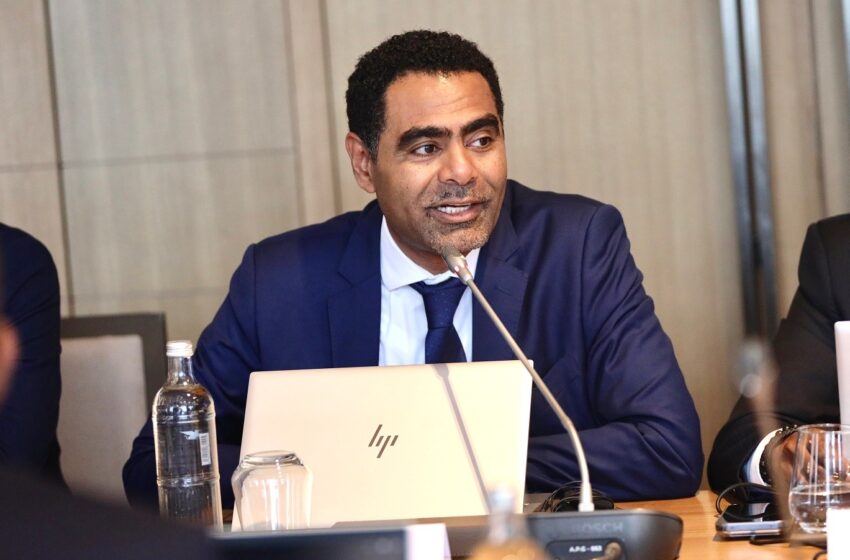
FKF President Hussein Mohamed.
Kenyan football is not short of passionate supporters, talented players, ambitious administrators or promises of transformation. What it desperately needs is leadership that understands football is bigger than the individuals occupying offices at Kandanda House.
The question facing the country is no longer whether Kenya has the talent to compete with Africa’s best. The question is whether those entrusted with managing the game have the discipline, vision and accountability to build a football system that allows that talent to flourish.
The latest leadership disagreements within Football Kenya Federation (FKF), uncertainty surrounding domestic competitions and concerns about player welfare have once again exposed the weaknesses of Kenyan football administration.
Read Also: KNEC Grade 10 Assessment 2026: Guidelines, Timelines & School Requirements
With Kenya preparing to co-host the 2027 Africa Cup of Nations alongside Tanzania and Uganda, the country has an opportunity to transform its football future. But that opportunity could become another expensive disappointment if administrators continue prioritising boardroom battles over the development of the game.
So, who will save Kenyan football?
The answer is uncomfortable: Nobody is coming to save it unless Kenyans themselves demand a different football culture.
FKF Cannot Be Bigger Than Kenyan Football
The leadership disputes at FKF have become a major distraction from the federation’s responsibility to develop the game.
President Hussein Mohammed and members of the National Executive Committee have been caught in disagreements that have raised questions about governance, constitutional procedures and the federation’s decision-making structures.
The November 2026 developments, including the disputed Special General Meeting in Meru and subsequent disagreements among NEC members, demonstrate how quickly administrative conflicts can overshadow football activities.
Kenya News Agency reported in September that NEC members were demanding immediate action to resolve governance disagreements, restore certainty to the football calendar and operationalise internal dispute-resolution mechanisms.
These are not minor administrative disagreements. They affect clubs, players, coaches, referees, sponsors and millions of supporters.
A football federation exists to serve the game, not to become a permanent battleground for competing political interests.
Hussein Mohammed must understand that his legacy will not be determined by how many internal battles he wins or how many officials he defeats. It will be measured by the strength of domestic competitions, the quality of football administration and the opportunities created for Kenyan players.
Equally, those opposing his leadership must demonstrate that their concerns are genuinely about institutional accountability rather than access to power.
Kenyan football does not need another personality contest. It needs an administration capable of bringing competing interests together under one constitution.
The Clubs Must Stop Being Spectators in Their Own League
Another important part of the solution lies with Kenyan football clubs.
Many years have passed and clubs are complaining about limited revenues, poor commercial structures, inadequate facilities and insufficient influence over decisions affecting their competitions.
The demand for an independently managed Premier League is therefore not simply an administrative disagreement. It reflects a deeper concern about the sustainability of professional football.
A July 2026 report by Daily Nation highlighted clubs’ longstanding push for independent league management, citing concerns about revenue sharing, professional administration and the influence of federation politics on competition management.
The proposal deserves serious consideration.
A professionally managed league could provide clubs with a stronger voice in commercial negotiations, broadcasting arrangements, sponsorship agreements and competition planning.
However, independence must come with accountability. Creating another management body without transparent finances, professional staff and clear responsibilities would simply reproduce the existing problems under a different name.
Clubs must also improve their own governance.
Too many Kenyan teams depend heavily on individual benefactors, with limited long-term commercial planning. Some struggle to meet contractual obligations, maintain competitive squads and develop reliable youth structures.
A sustainable league cannot be built on clubs that operate from one season to another without predictable finances.
Read Also: Pharmacy Board Looks to Shape Future of Pharmaceutical Practice
Teams must develop membership programmes, merchandise sales, corporate partnerships, ticketing strategies and stronger relationships with supporters.
Football clubs should become businesses capable of generating revenue, not organisations that survive entirely through the generosity of one individual.
Where Is the Investment in Young Players?
Kenya has never lacked young football talent.
Across Nairobi, Kisumu, Kakamega, Nakuru, Mombasa, Eldoret and smaller towns, thousands of children play football on school fields, community grounds and makeshift pitches.
Some possess exceptional ability but never receive professional coaching, proper equipment or opportunities to compete in organised tournaments.
This is where Kenyan football is losing its future.
Talent development cannot begin when a promising teenager is already attracting attention from a professional club. It must start much earlier through structured grassroots competitions, qualified coaches and reliable scouting networks.
FKF must work closely with county governments, schools, academies and community organisations to establish sustainable development pathways.
The federation has already engaged the Council of Governors on grassroots football partnerships, recognising the importance of county-level cooperation.
According to FKF’s July 2026 announcement, discussions focused on developing football opportunities through collaboration between the federation and county governments.
That engagement must move beyond meetings and photographs.
Every county should have an identifiable football development programme, properly organised youth competitions and a pathway connecting talented players to regional and national teams.
Kenya must also invest in coaches. Young players cannot reach their potential if the people responsible for developing them lack appropriate training and modern coaching methods.
The future of Harambee Stars will be determined partly by the quality of coaching available to children today.
Sponsors Cannot Be Expected to Rescue a Broken System
Commercial partnerships are essential to the growth of football, but sponsorship money alone cannot solve institutional problems.
FKF has highlighted commercial partnerships, including its SportPesa agreement, as part of its strategy to strengthen the financial position of Kenyan football.
The federation has also pointed to increased club rewards and grassroots funding as important elements of its development agenda.
These are positive developments, but sponsors need confidence that their investments are supporting a professionally managed product.
A company investing millions of shillings in Kenyan football wants visibility, predictable competitions, credible financial reporting and an audience that remains engaged throughout the season.
Sponsors cannot continuously invest in a league where fixtures are uncertain, clubs struggle financially and administrative disputes dominate headlines.
The solution is to create a football product worth investing in.
FKF should publish transparent financial reports, communicate commercial agreements clearly and demonstrate how sponsorship resources benefit clubs, players and grassroots development.
The same standards must apply to clubs and competition organisers.
Kenyan football needs sponsors, but it needs to become a reliable investment destination rather than a permanent fundraising exercise.
Harambee Stars Needs a Proper Football Structure
The national team remains the most visible representation of Kenyan football, but its success cannot be separated from the quality of the domestic system.
Benni McCarthy’s appointment as Harambee Stars head coach in March 2025 generated excitement because of his playing experience and international coaching background.
However, the concerns surrounding outstanding player allowances, technical staff documentation and working conditions exposed the administrative weaknesses that can undermine even the most ambitious coaching project.
In September 2026, The Star reported that FKF had acknowledged concerns about outstanding payments and work permit arrangements affecting the technical team.
That situation should never become normal in a country aspiring to compete consistently at the highest level.
Players deserve timely payments. Coaches deserve properly managed contracts. National teams need predictable preparation schedules, adequate facilities and professional logistical support.
A coach should spend time developing tactics and identifying talent, not worrying about administrative documentation or whether players have received promised allowances.
Harambee Stars also needs a stronger domestic scouting network.
The national team should not depend exclusively on foreign-based players or a small group of familiar names. Kenya must develop a competitive domestic environment where talented players can earn international opportunities through consistent performances.
The best national teams are built on strong domestic structures, not occasional recruitment exercises before major tournaments.
AFCON 2027 Is Kenya’s Biggest Test
Co-hosting AFCON 2027 with Tanzania and Uganda offers Kenya an extraordinary opportunity to change how the country is perceived within African football.
The tournament can attract investment, improve infrastructure, strengthen tourism and create commercial opportunities for clubs and businesses.
However, stadium construction alone will not save Kenyan football.
Modern facilities are important, but they are only the hardware. The software must include professional league management, trained coaches, functioning academies, competitive youth tournaments and accountable administrators.
Kenya must ensure that investments in stadiums translate into long-term benefits for local football.
Talanta Stadium, Kasarani and other facilities should become active centres for domestic competitions, youth tournaments, women’s football and international matches.
The country must also avoid treating AFCON as a three-week celebration that ends when the final whistle blows.
The real measure of success will be what happens after the tournament.
Will Kenyan clubs have better facilities? Will young players have more opportunities? Will the domestic league attract stronger commercial partnerships? Will women and girls have access to improved football programmes?
Those are the questions that should guide the country’s preparations.
Women’s Football Must Be Part of the Rescue Plan
Another mistake would be to concentrate all development resources on men’s football.
Kenya has demonstrated that its women footballers can compete internationally, with the Rising Starlets, Harambee Starlets and other national teams providing evidence of the country’s potential.
However, women’s football still requires stronger domestic competitions, improved funding, better facilities and more professional opportunities.
Clubs should invest in women’s teams as part of their long-term development strategies.
FKF must also ensure that coaching programmes, grassroots initiatives and commercial partnerships include women and girls.
A country cannot claim to be rebuilding its football system while leaving a significant section of its sporting population behind.
Women’s football is not an additional project. It is an essential part of the future of the game.
So, Who Will Actually Save Kenyan Football?
The answer is that responsibility must be shared, but leadership must begin at the top.
Hussein Mohammed and his NEC colleagues must put institutional stability ahead of personal disagreements. They must respect the federation’s constitution, address legitimate concerns and ensure that football competitions operate predictably.
Clubs must demand transparency while improving their own financial management and commercial structures.
The government must provide infrastructure and policy support without interfering in football governance in ways that violate FIFA requirements.
Sponsors must invest in sustainable programmes rather than short-term publicity.
Coaches, referees, schools, academies and county football associations must build the development structures that produce future generations of players.
Supporters also have a role. They should demand accountability, attend local matches, support their clubs and refuse to accept administrative incompetence as an unavoidable feature of Kenyan football.
FIFA and CAF can provide funding, technical assistance and international guidance, but neither organisation can build a sustainable football culture on behalf of Kenyans.
The responsibility ultimately belongs to the people who run, finance, play and support the game.
Kenya Needs Football Leaders, Not Football Politicians
Kenyan football has reached a moment when promises are no longer enough.
The country has talented players, passionate supporters, international partnerships and the opportunity to host one of Africa’s biggest sporting competitions.
What remains uncertain is whether its administrators can turn these advantages into a sustainable football system.
Hussein Mohammed has an opportunity to prove that his leadership can deliver institutional stability and meaningful reforms. Those challenging his administration must equally demonstrate that they have constructive solutions rather than alternative ambitions for power.
The same standard should apply to every future FKF president.
Read Also: Public Service Commission Recruitment 2026: How to Apply, Shortlist and Interview Process
Kenya does not need a messiah. It needs institutions that function regardless of who occupies the presidential office.
Perhaps the most important question is not who will save Kenyan football, but whether those entrusted with its future are finally prepared to save the game from themselves.
Until that happens, the biggest losers will remain the players, clubs and supporters who have given Kenyan football their loyalty despite years of disappointment.

