
Kenya–DRC Relations Thaw as Ruto, Tshisekedi Open New Economic Front

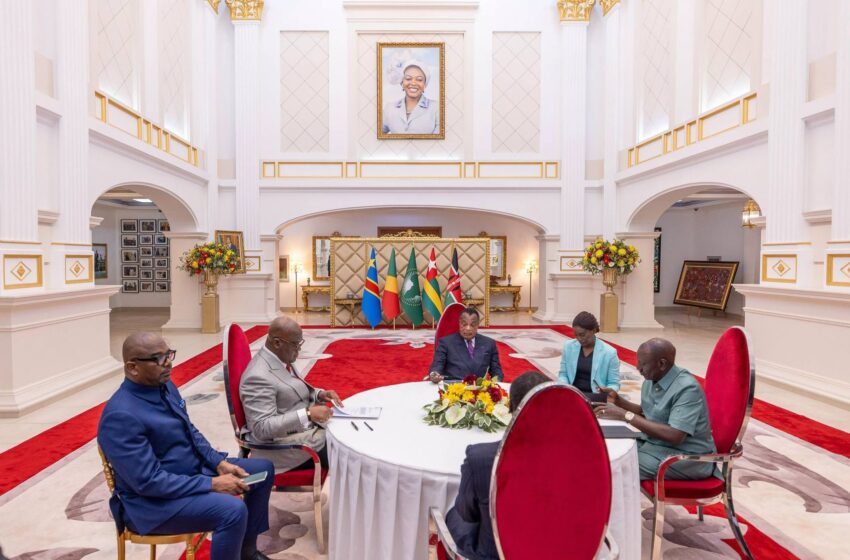
Kenya’s ambitions to strengthen its position as a regional commercial and financial hub have received a significant diplomatic boost following an agreement between President William Ruto and his Democratic Republic of Congo (DRC) counterpart, Félix Tshisekedi, to rebuild relations strained by years of political disagreements.
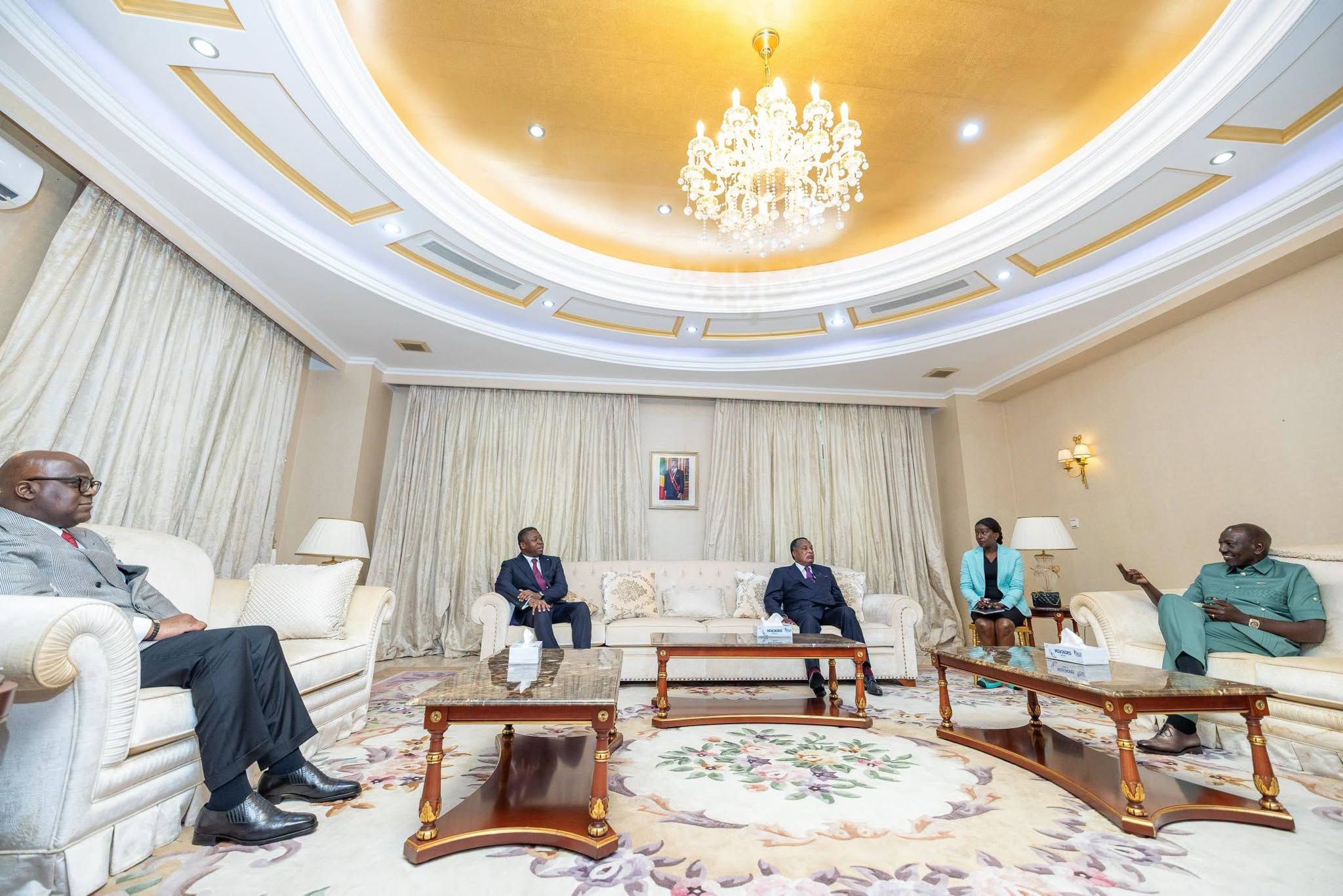
The breakthrough, reached during Sunday’s Quadripartite Summit in Oyo, Republic of the Congo, on November 22, 2026, could unlock fresh opportunities for Kenyan businesses, financial institutions, transport companies and thousands of professionals whose livelihoods depend on regional trade.
The two leaders committed to restoring diplomatic representation at ambassadorial level, resuming the Joint Grand Commission for Cooperation and strengthening regular consultations between Nairobi and Kinshasa. Their agreement also covers trade, investment, economic development, security and cultural cooperation.
Read Also: KNEC Grade 10 Assessment 2026: Guidelines, Timelines & School Requirements
Although the commitments do not immediately restore every aspect of diplomatic relations, they provide an important foundation for rebuilding confidence between two East African Community (EAC) members with considerable economic interests in each other’s markets.
The summit was hosted by Republic of the Congo President Denis Sassou N’Guesso, with Togo’s President of the Council of Ministers, Faure Essozimna Gnassingbé, participating as a mediator in the wider eastern DRC peace process.
President Ruto described the engagement as an opportunity to establish a relationship grounded in dialogue, mutual respect and peaceful resolution of differences.
The significance of the agreement extends beyond diplomatic courtesies. Kenya has invested considerable commercial resources in the Congolese market, while the DRC represents one of the region’s most promising destinations for Kenyan exports, banking services, logistics and professional expertise.
How Kenya and DRC Relations Deteriorated
The diplomatic disagreement between Nairobi and Kinshasa dates back to December 2023, when a group of Congolese political and military figures announced the formation of the Alliance Fleuve Congo (AFC) in Nairobi.
The coalition, associated with former Congolese electoral commission president Corneille Nangaa, brought together political opposition figures and armed groups, including the M23 rebel movement, which has been fighting government forces in eastern DRC.
Kinshasa accused Nairobi of providing a platform for individuals and organisations seeking to undermine the Congolese government. The DRC subsequently recalled its ambassador to Nairobi and demanded explanations from Kenyan diplomatic representatives.
Nairobi rejected allegations that it supported the formation of the coalition, maintaining that Kenya’s position on freedom of expression did not amount to involvement in activities threatening another country’s sovereignty.
The disagreement continued to affect diplomatic engagement, including difficulties surrounding the accreditation of diplomatic representatives and disagreements over Kenya’s proposed consular representation in Goma.
The August 2025 dispute over the proposed appointment of a Kenyan consul-general in Goma further complicated relations, with Kinshasa expressing concerns about the implications of the appointment amid the security situation in eastern DRC.
The Oyo meeting therefore represents an attempt to move beyond a disagreement that had increasingly threatened the diplomatic and economic interests of both countries.
What the Oyo Agreement Actually Changes
One of the most important outcomes of the summit is the commitment to restore diplomatic representation at ambassadorial level.
Ambassadors are not merely ceremonial representatives. They play an important role in facilitating commercial agreements, resolving disputes involving businesses, supporting citizens abroad and coordinating government-to-government engagements.
Their return could provide Kenyan investors with a more predictable diplomatic environment when dealing with regulatory authorities, commercial disputes and investment-related challenges in the DRC.
The proposed revival of the Joint Grand Commission for Cooperation is equally significant.
Read Also: Pharmacy Board Looks to Shape Future of Pharmaceutical Practice
The commission provides an institutional framework through which the two governments can discuss bilateral matters, identify investment opportunities and address obstacles affecting trade.
Its resumption could help establish structured discussions on customs procedures, business licensing, transport arrangements, investment protection and professional cooperation.
The leaders also committed to strengthening cooperation through regional institutions, including the East African Community and the International Conference on the Great Lakes Region.
However, the distinction between an agreement and its implementation remains important. The Oyo commitments do not mean that all diplomatic procedures have been completed or that every outstanding disagreement has been resolved.
The actual impact will depend on the appointment and accreditation of ambassadors, the scheduling of bilateral consultations and the implementation of decisions through the proposed joint commission.
Mombasa Port and Logistics Companies Could Be Major Beneficiaries
The logistics industry stands to benefit considerably from improved relations between Nairobi and Kinshasa.
The Port of Mombasa serves as an important entry and exit point for cargo moving through the Northern Corridor into several landlocked markets, including Uganda, Rwanda, Burundi and eastern parts of the DRC.
Congolese businesses and traders depend on regional transport networks to access imported machinery, construction materials, manufactured goods, agricultural inputs and consumer products.
A more stable relationship could make it easier for Kenyan logistics companies to expand their operations serving Congolese customers.
Transporters, freight forwarders, shipping agents, warehouse operators and clearing and forwarding companies could experience increased demand if trade volumes grow.
Clearing agents operating around Mombasa could particularly benefit from additional cargo requiring documentation, customs processing, port handling and onward transportation into the Great Lakes region.
The opportunity also extends to the Port of Lamu, which forms part of the country’s wider maritime infrastructure development strategy.
Although Mombasa remains the established gateway for Northern Corridor traffic, Lamu could offer longer-term strategic opportunities as regional transport infrastructure and trade connections develop.
Improved diplomatic relations could therefore strengthen the country’s competitiveness as a gateway for international commerce entering eastern and central African markets.
Nevertheless, lower transport costs and faster cargo movement will require practical improvements in customs coordination, border procedures, road infrastructure and security.
Kenyan Banks Could Find Fresh Opportunities in the Congolese Market
The financial services sector is another major potential beneficiary of the diplomatic breakthrough.
Kenyan banks have developed an increasingly visible presence in the DRC, where businesses require financial services to support imports, exports, infrastructure development and everyday commercial activities.
Equity Group has established operations in the Congolese market, while KCB Group has a presence through its ownership of Trust Merchant Bank.
These institutions provide an important connection between Kenyan financial expertise and the commercial needs of Congolese businesses.
Improved relations could create a more favourable environment for expanding banking services, particularly trade finance, corporate lending, foreign exchange transactions, digital payments and cross-border money transfers.
Businesses importing goods from Kenya need reliable payment arrangements, while Kenyan exporters require financial institutions capable of supporting transactions with customers operating in the DRC.
A stronger diplomatic relationship could also encourage additional Kenyan companies to explore opportunities in the Congolese market, creating demand for business accounts, credit facilities, insurance and investment services.
The DRC’s substantial mineral resources, particularly copper and cobalt, also make it an important destination for businesses participating in international commodity supply chains.
Kenyan financial institutions could benefit from supporting legitimate commercial activities involving mining services, transport, equipment supply and associated industries.
However, the opportunities come with responsibilities. Banks must maintain strong anti-money laundering controls, comply with sanctions requirements and properly assess foreign exchange, political and counterparty risks.
Improved diplomacy can reduce some political uncertainties, but it cannot eliminate the commercial risks associated with operating in a complex market.
What the Numbers Reveal About Kenya–DRC Trade
The economic importance of the Congolese market is reflected in the volume of goods exchanged between the two countries.
According to trade figures cited by the Daily Nation, data from the Observatory of Economic Complexity (OEC) indicates that Kenya exported approximately $236 million worth of goods to the DRC in 2024.
Imports from the DRC stood at approximately $25.8 million during the same period.
The figures demonstrate the importance of the DRC as an export destination for Kenyan businesses and highlight the considerable imbalance between the value of goods moving in both directions.
Kenyan exporters have opportunities in manufactured products, processed goods, consumer supplies and other commodities required by Congolese households and businesses.
The DRC, meanwhile, offers access to a large consumer market and significant natural resources that could support more diversified commercial relationships.
The DRC’s admission into the East African Community in 2022 created additional opportunities for regional integration.
However, membership alone does not automatically remove every trade barrier. Businesses still encounter challenges involving customs procedures, infrastructure, regulatory compliance and the practical implementation of regional trade arrangements.
A functioning bilateral commission could provide a platform for addressing these challenges and improving the commercial environment.
Cross-Border Trade Could Create More Employment Opportunities
The potential employment impact of improved relations deserves particular attention.
Trade between the two countries supports an extensive network of economic activities involving people who may never directly participate in diplomatic discussions.
In Kenya, increased demand for exports could benefit manufacturers, agricultural processors, packaging companies, distributors and wholesale traders.
The logistics industry could also require additional drivers, warehouse personnel, cargo handlers, customs documentation specialists and freight management professionals if commercial activity expands.
Financial institutions may need additional personnel specialising in international trade, compliance, corporate banking and foreign exchange services.
Read Also: Public Service Commission Recruitment 2026: How to Apply, Shortlist and Interview Process
Professional opportunities could also emerge for Kenyan engineers, accountants, information technology specialists, consultants and construction professionals working with businesses seeking to establish or expand operations in the DRC.
Young professionals could find opportunities to develop careers beyond national borders while contributing to the expansion of regional businesses.
Nevertheless, increased employment should not be treated as an immediate outcome of the summit. Job creation will depend on actual investment, increased cargo volumes, business expansion and the ability of companies to operate profitably across borders.
Security Remains Central to the Economic Opportunity
The diplomatic breakthrough cannot be separated from the security situation in eastern DRC.
The region has experienced prolonged instability involving armed groups, government forces and competing political interests. The conflict has disrupted communities, displaced populations and complicated commercial activities.
Togo’s Faure Gnassingbé participated in the Oyo summit in his capacity as the African Union mediator in efforts to address the eastern DRC crisis.
His involvement gave the meeting a broader regional significance beyond the immediate disagreement between Nairobi and Kinshasa.
Improved relations could strengthen cooperation on regional security, intelligence sharing and diplomatic initiatives aimed at stabilising the Great Lakes region.
For Kenyan businesses, security is directly connected to the cost and reliability of doing business.
Transport companies require safe routes, investors need predictable operating environments, and financial institutions must assess the risks associated with commercial transactions.
The two governments also committed to strengthening cooperation in preventing and responding to Ebola outbreaks, an important area of collaboration given the potential economic consequences of public health emergencies.
Regional stability would therefore support not only trade but also tourism, investment and the movement of professionals.
What Businesses Should Watch After the Summit
The most important test of the Oyo agreement will be whether the two governments translate their commitments into practical decisions.
Kenyan businesses should watch for announcements concerning the restoration of ambassadorial representation, the resumption of the Joint Grand Commission and new bilateral trade and investment initiatives.
The private sector will also be interested in whether the governments introduce measures to improve customs coordination, simplify business procedures and strengthen transport connections.
Kenyan exporters should assess opportunities in the DRC while ensuring that they understand local regulations, payment arrangements, taxation requirements and security considerations.
Logistics companies could begin evaluating the commercial potential of expanding services along established routes connecting Mombasa with eastern DRC.
Banks and other financial institutions will need to assess whether improved political engagement creates opportunities to expand services while maintaining appropriate risk controls.
The government also has an opportunity to work with Kenyan business associations, exporters and industry players to identify specific barriers that require diplomatic intervention.
A Diplomatic Breakthrough That Must Deliver Economic Results
The agreement between Ruto and Tshisekedi represents an important step towards repairing a relationship that has considerable economic and strategic significance for East Africa.
The two countries are not simply trading partners. Their economies are connected through regional transport networks, financial services, investment flows and the movement of goods and professionals.
Restoring confidence between Nairobi and Kinshasa could strengthen Kenya’s position as a commercial gateway into the Great Lakes region while giving Congolese businesses more reliable access to regional markets.
The benefits could extend from the shipping terminals of Mombasa to financial institutions in Nairobi, manufacturing companies, clearing agencies and professionals working across borders.
However, diplomatic goodwill must be supported by functioning institutions, predictable regulations, improved infrastructure and sustained security cooperation.
The Oyo summit has opened a new diplomatic window. Whether that opportunity translates into more trade, investment and employment will depend on what both governments do after their presidents return home.
The next phase is not simply about celebrating improved diplomatic relations. It is about turning the agreement into measurable commercial opportunities that create jobs, strengthen regional integration and deliver economic benefits to ordinary citizens.

