
Absa Leads New Wave of South African Investment as Billions More in Kenyan Dividends Head South

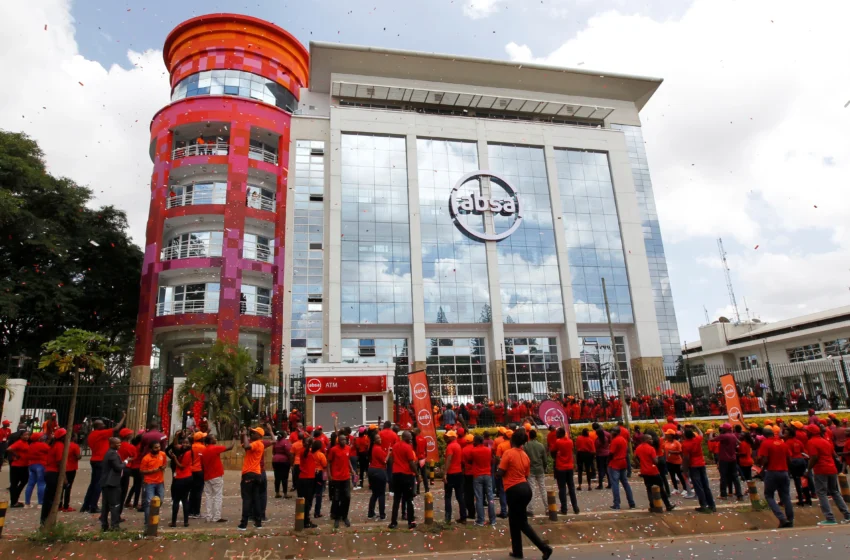
Absa is at the center of a fresh wave of South African investment in Kenya, giving out the picture of the growing confidence that Johannesburg-listed multinationals have in the country’s largest listed companies.
Alongside Vodacom Group and Nedbank, Absa Group is increasing its exposure to Kenya’s financial and telecommunications sectors through larger shareholdings in Absa Bank Kenya, Safaricom and NCBA Group, moves that are expected to unlock more than Sh21 billion in additional annual dividend income for the South African firms.
The acquisitions underscore Kenya’s position as one of Africa’s most attractive investment destinations despite a challenging global economic environment. Strong corporate earnings, predictable dividend payouts, a well-regulated financial system and the country’s role as the gateway to the East African Community continue to make Nairobi-listed companies appealing to foreign investors seeking stable long-term returns.
Follow Kenya Frontline X account for more updates.
The latest transactions also demonstrate a broader strategic shift among South Africa’s largest corporations, many of which are increasingly looking beyond their domestic market for growth opportunities. With South Africa’s economy expanding at a relatively slow pace, Kenya’s faster-growing economy and resilient corporate sector are offering investors a chance to diversify earnings while strengthening their presence across East Africa.
“The additional stake will allow Absa Group to capture a larger share of earnings from Absa Kenya, which has strong profitability and growth prospects. We expect the deal to be earnings accretive at the group level over time,” Moody’s said in its assessment of Absa Group’s planned acquisition.
Why South African Firms Are Investing More

Vodacom Group has already completed the largest of the three transactions after purchasing an additional 15 percent stake in Safaricom for Sh204.3 billion. The acquisition significantly increases the South African telecommunications giant’s ownership in Kenya’s most profitable listed company and positions it to receive substantially higher dividend payments beginning this financial year.
Safaricom recently declared a total dividend of Sh2 per share for the financial year ended March 2025. Under its previous ownership structure, Vodacom earned dividends based on about 16 billion shares. Following the acquisition of an additional six billion shares, the company will now receive payouts on approximately 22 billion shares, increasing its annual dividend income to roughly Sh44 billion if the dividend rate remains unchanged in future distributions.
The timing of the acquisition is particularly beneficial for Vodacom because the additional shares were secured before Safaricom’s shareholder register closes for the final dividend. As a result, the company will qualify for the September dividend payment on the newly acquired shares, allowing it to earn billions of shillings in returns almost immediately after completing the acquisition.
Dividend Windfall and Economic Impact
Beyond the dividend earnings, the transaction includes another financial advantage for Vodacom. Under the agreement with the Kenyan government, the company paid an advance dividend of Sh40.2 billion that will later be recovered from future dividends payable to the government’s remaining 20 percent stake in Safaricom. This arrangement is expected to generate an additional Sh15.5 billion in value for Vodacom over the coming years.
Absa Group is also deepening its investment in Kenya by seeking to acquire an additional 16.5 percent stake in Absa Bank Kenya through a tender offer that opened at the end of June and will remain available until August. If successful, the transaction will significantly raise the South African banking giant’s share of future earnings generated by its Kenyan subsidiary.
Absa Bank Kenya declared a dividend of Sh2.05 per share for the year ended December 2025. Based on its existing ownership, Absa Group received approximately Sh7.63 billion in dividend income. With the proposed increase in shareholding, annual dividend earnings could rise to nearly Sh9.5 billion if future payouts remain at current levels.
The third major transaction involves Nedbank, which has made an offer to acquire a controlling 66 percent stake in NCBA Group as part of its expansion strategy across the African continent. The proposed acquisition combines cash payments with a share exchange, giving NCBA shareholders the opportunity to participate in Nedbank’s future growth while receiving immediate financial compensation.
NCBA remains one of Kenya’s strongest-performing banking institutions, supported by consistent profitability and expanding regional operations. The lender distributed a dividend of Sh7.10 per share for the year ended December 2025, amounting to a total shareholder payout of Sh11.7 billion. Should Nedbank secure the targeted stake, it would become entitled to approximately Sh7.7 billion in annual dividends under the current payout structure.
The three transactions collectively reinforce Kenya’s reputation as a preferred investment destination for multinational corporations looking to build long-term positions in high-performing African businesses. Investors continue to cite the country’s relatively stable macroeconomic environment, robust financial regulation, efficient capital markets and the ease with which profits can be repatriated as major attractions.
However, the increasing foreign ownership of Kenya’s leading listed firms is also expected to result in larger dividend outflows from the country. Every dividend season, companies with significant foreign shareholders purchase substantial amounts of US dollars to transfer profits to their overseas parent companies. As ownership by foreign investors increases, these foreign exchange requirements are likely to grow accordingly.
“Kenya continues to attract long-term investors because of its strong corporate governance, resilient financial institutions and consistent dividend-paying companies. These qualities make the market highly competitive within the African investment landscape,” said a Nairobi-based investment analyst.
Analysts nevertheless note that Kenya’s foreign exchange market currently enjoys sufficient dollar liquidity to absorb the larger demand without creating significant pressure on the shilling. The country’s relatively stable exchange rate further minimizes currency risks for multinational investors remitting dividends abroad, making Kenya an even more attractive destination for long-term capital.
The trend also reflects growing investor confidence in Kenya’s blue-chip companies, many of which have consistently increased dividend payments alongside rising profitability. If earnings continue to improve across sectors such as banking and telecommunications, dividend payouts to foreign shareholders could rise even further in the coming years, reinforcing Kenya’s position as one of Africa’s leading investment destinations while simultaneously increasing capital flows back to multinational parent companies.

