
AFCON 2027 Infrastructure Standards: Kasarani Pitch Works, Talanta Stadium Progress Test Kenya’s Readiness

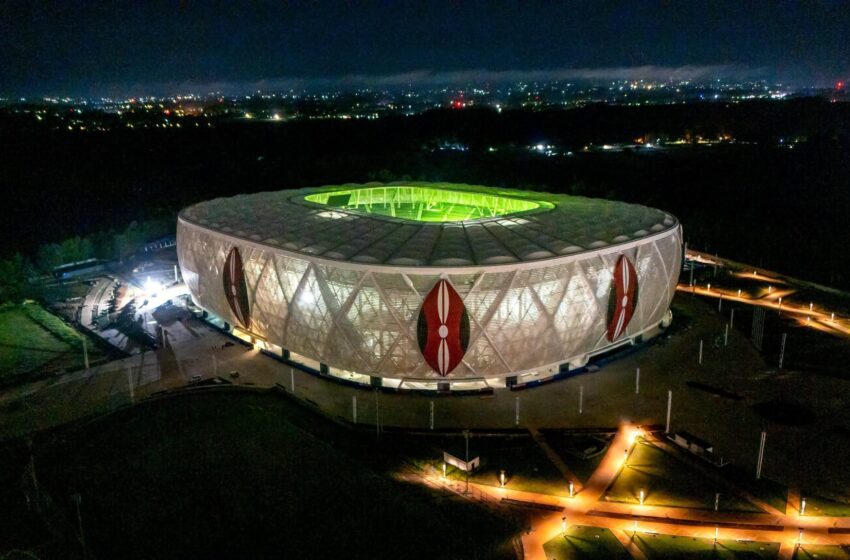
Preparations for the 2027 Africa Cup of Nations (AFCON) have entered a decisive phase, with renovation work at Moi International Sports Centre Kasarani and construction at the Raila Amolo Odinga International Stadium, popularly known as Talanta Stadium, facing growing scrutiny ahead of the continental tournament.
Recent developments at Kasarani include the planting of new playing-surface grass and the construction of additional VIP skyboxes, two important components of the country’s efforts to meet the Confederation of African Football (CAF) requirements. The work comes as Kenya prepares to co-host the competition alongside Uganda and Tanzania from June 19 to July 17, 2027.
The pressure is not limited to completing the visible structures. Stadium operators must demonstrate that playing surfaces, drainage systems, lighting, media facilities, spectator access, security arrangements and other essential services can function reliably during international matches.
Read Also: Pharmacy Board Looks to Shape Future of Pharmaceutical Practice
A sports facilities and infrastructure consultant in Nairobi highlighted the importance of technical compliance, stating: “Meeting CAF Category 4 stadium compliance parameters requires absolute precision across playing surface drainage, lighting, and media zone facilities. Strict adherence to structural construction schedules safeguards Kenya’s co-hosting mandates for continental tournaments.”
The comments capture the central challenge facing the host country: turning construction progress into independently verified operational readiness before the tournament begins.
Kasarani Stadium Begins Critical Pitch Renovation
The latest developments at Kasarani have placed the condition of the playing surface at the centre of Kenya’s preparations. Reports published on October 19 indicated that grass planting had begun, while work was also underway to introduce additional skyboxes in response to CAF’s hospitality requirements.
According to Pulse Kenya’s report on the Kasarani renovations, the newly planted grass was expected to take approximately two to four weeks to establish, although successful growth will depend on maintenance, weather conditions and the effectiveness of the underlying pitch systems.
Pitch establishment involves considerably more than spreading grass across the field. The playing surface must develop sufficient root strength, maintain consistent coverage and withstand the physical demands of professional football. Ground staff also need to manage irrigation, mowing, fertilisation and surface firmness throughout the establishment period.
Bermuda grass is commonly used on football pitches in warm climates because of its ability to tolerate heat and recover from wear. Where sprigging is used, vegetative grass material is planted into a prepared growing medium and allowed to spread. The specific grass variety and planting method used at Kasarani should, however, be confirmed by the project’s technical team.
Drainage is equally important. A properly engineered system should move excess water away from the playing surface, reducing the risk of waterlogging, uneven ball movement and match interruptions during heavy rainfall.
The stadium’s renovation programme also includes additional VIP skyboxes, which provide premium hospitality space for invited guests, corporate partners and tournament stakeholders. Reports have indicated that CAF’s requirements have placed pressure on the existing stadium layout, prompting construction teams to undertake additional structural work.
The challenge is to accommodate these facilities without compromising spectator circulation, emergency exits, structural safety or access to other stadium sections.
VIP Skyboxes, Floodlighting and Media Facilities
Kasarani’s readiness will also depend on the quality of its supporting infrastructure. VIP accommodation is only one element of the broader requirements expected of a major international football venue.
Floodlighting systems must deliver adequate illumination across the entire pitch, with consistent light levels and minimal glare. Lighting performance is particularly important for evening matches, television broadcasting, high-speed camera operations and the safety of players and officials.
Any adjustments to Kasarani’s floodlighting should therefore be assessed through technical measurements rather than visual inspection alone. The final system must meet the applicable competition and broadcast requirements.
Media facilities require similar attention. International tournaments attract broadcasters, photographers, written press, digital publishers and technical production teams. Adequate working space, reliable power, connectivity, commentary positions and camera platforms are essential to ensure that matches can be covered efficiently.
Read Also: Top Comoros Official Hospitalized in Nairobi Amid Rising Tensions in Moroni
The same principle applies to team changing rooms, officials’ facilities, medical rooms, mixed zones and press conference areas. These spaces must support the operational demands of a tournament involving 24 national teams and a large international audience.
Kasarani’s progress will ultimately be measured by the combined performance of these systems, not simply by the completion of individual construction tasks.
Talanta Stadium Approaches the Final Construction Phase
While Kasarani undergoes renovation, the Raila Amolo Odinga International Stadium at Jamhuri Grounds in Nairobi is approaching the end of its main construction programme.
The 60,000-seat facility is among Kenya’s flagship investments for AFCON 2027 and is being overseen by the Ministry of Defence through the Kenya Defence Forces, working with the relevant sports and government agencies.
An inspection reported by Kenya’s Parliament on October 1, 2026 placed the main stadium’s construction progress at approximately 94 per cent. External works stood at about 93 per cent, while officials acknowledged that technical, accessibility and operational matters remained to be addressed.
The facility has progressed beyond its foundation and superstructure stages. Spectator seating has been installed in general admission, VIP, VVIP and media sections. The hybrid playing surface has been laid, drainage works have been completed, and construction of a broad evacuation boulevard has advanced substantially.
The stadium also incorporates 52 skyboxes, with interior finishing work among the remaining tasks reported during the inspection.
These developments represent considerable progress, but the final stages of stadium construction can be particularly demanding. Electrical systems, broadcast technology, access controls, emergency equipment and specialist installations must operate together under realistic conditions.
The government has identified December 31, 2026, as a key completion deadline for Talanta Stadium. Project officials have also indicated that outstanding CAF requirements will be addressed ahead of further inspections.
Read Also: KNEC Grade 10 Assessment 2026: Guidelines, Timelines & School Requirements
A separate testing and commissioning period is important because a completed building does not automatically qualify as a fully operational international sports venue. The stadium must demonstrate that its systems can handle spectators, players, officials, broadcasters and emergency personnel safely and efficiently.