
AFCON 2027 Media Operations Crisis Raises Governance Questions

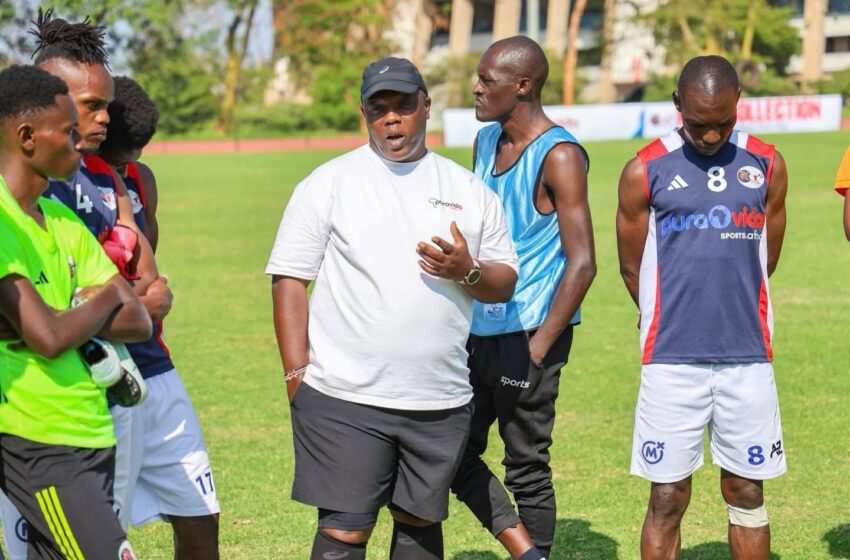
Elias Makori (C), the former head of CHAN Media Operations
The preparations for the 2027 Africa Cup of Nations are beginning to attract attention beyond football excitement, as governance, accountability, and institutional management issues come into sharper focus.
The tournament, which will be jointly hosted by Kenya, Uganda, and Tanzania, was expected to symbolize East Africa’s growing influence in global sports. However, recent developments involving senior media personnel have raised broader questions about planning structures and operational transparency.
At the centre of the discussion is a high profile exit from the tournament’s media operations framework, which has triggered debate about working conditions and administrative efficiency within major sporting events.
Also Read: Top Comoros Official Hospitalized in Nairobi Amid Rising Tensions in Moroni
Why AFCON 2027 Matters for East Africa’s Sporting Economy
AFCON 2027 is not just a football competition. It is a large scale economic and infrastructure project with implications for tourism, urban development, media growth, and regional integration.
Hosting rights are expected to generate:
- Increased international tourism
- Stadium infrastructure upgrades
- Job creation in logistics and hospitality
- Media and broadcasting expansion
- Long term sports development funding
For Kenya, Tanzania, and Uganda, the tournament represents one of the most significant continental sporting events ever hosted in the region.
Media Operations Role in Modern Football Tournaments
Modern international football tournaments depend heavily on structured media operations teams.
These teams manage:
- Broadcast coordination
- Press accreditation
- Journalist facilities
- Digital media coverage
- International communication flow
Without efficient media operations, global tournaments face reputational risk and reduced audience engagement.
AFCON 2027 operational structure overview
| Component | Function | Importance |
|---|---|---|
| LOC leadership | Strategic coordination | High level decision making |
| Media operations | Communication and press management | Global visibility |
| Stadium management | Venue readiness | Match execution |
| Security teams | Crowd and team safety | Tournament stability |
This structure highlights why personnel decisions in media units can significantly influence tournament delivery quality.
Governance and Accountability Concerns in Tournament Planning
Recent developments have raised concerns about how large scale sporting events manage professional contributions and contractual obligations.
At the heart of the issue are questions about:
- Payment delays for technical staff
- Administrative follow up systems
- Contract enforcement mechanisms
- Institutional accountability frameworks
These concerns are not unique to AFCON but reflect broader challenges in sports event governance across emerging markets.
Financial and Operational Pressure Behind AFCON 2027
Organising a continental tournament requires substantial financial investment from host nations.
Key expenditure areas include:
- Stadium construction and renovation
- Security infrastructure
- Transport systems
- Media facilities
- Hospitality and accommodation services
Stadium readiness comparison in East Africa
| Country | Key Stadium Projects | Status |
|---|---|---|
| Kenya | Raila Odinga Stadium, Kasarani upgrades | Near completion phase |
| Tanzania | Benjamin Mkapa upgrades | Ongoing improvements |
| Uganda | Namboole Stadium renovation | Active redevelopment |
These infrastructure developments reflect the scale of investment required to meet CAF standards.
Why Media Staff Issues Matter for AFCON 2027 Reputation
In global sports, perception is as important as performance.
If media operations teams face unresolved administrative or contractual issues, it can affect:
- International journalist participation
- Broadcast quality perception
- Tournament credibility
- Sponsor confidence
This is why governance stability is considered essential for successful tournament execution.
East Africa’s First Unified AFCON Hosting Opportunity
AFCON 2027 will be the first time East Africa jointly hosts the tournament.
This collaboration is expected to strengthen regional cooperation across:
- Sports infrastructure development
- Cross border tourism
- Aviation and transport networks
- Regional branding and identity
However, coordination complexity is significantly higher compared to single country hosting.
Economic Impact of AFCON 2027 on Local Economies
Major sporting events often create short term and long term economic effects.
Expected AFCON 2027 economic impact areas
| Sector | Short term impact | Long term impact |
|---|---|---|
| Tourism | Increased arrivals | Global destination branding |
| Transport | High demand | Infrastructure upgrades |
| Media | Coverage expansion | Digital growth ecosystem |
| Hospitality | Hotel occupancy surge | Industry investment growth |
These effects depend heavily on smooth planning and stakeholder coordination.
Institutional Trust and Sports Administration Challenges
Large sporting events rely on trust between organisers, contractors, and professionals.
When disputes arise regarding compensation or operational fairness, it can:
- Reduce willingness of experts to participate
- Damage institutional credibility
- Create delays in planning execution
- Affect long term sports governance reforms
These challenges highlight the importance of clear administrative systems in public sporting projects.
Why AFCON 2027 Is a Test of Regional Management Capacity
Beyond football, AFCON 2027 is a test of East Africa’s ability to deliver a world class sporting event.
Success will depend on:
- Coordination between three governments
- Transparent procurement systems
- Efficient communication structures
- Strong stakeholder engagement
Failure to address internal administrative concerns early could impact final tournament delivery.
Stadium Infrastructure and Readiness Outlook
Construction and renovation works across host nations are progressing, with several key venues nearing completion stages.
Kenya’s major facilities, including upgraded stadiums in Nairobi, are expected to serve both competition and training purposes.
Tanzania and Uganda are also advancing refurbishment programs aimed at meeting continental hosting standards.
Media Operations and the Future of Sports Journalism in Africa
Media operations play a critical role in shaping how African football is presented globally.
Improved systems can lead to:
- Better global coverage
- Stronger storytelling of African sport
- Increased sponsorship interest
- Higher visibility for local talent
This makes media governance a central pillar of modern sports development.
Also Read: Rio Ferdinand To Open International Doors For Arusha Through AFCON 2027
AFCON 2027 Must Balance Infrastructure Growth With Institutional Stability
The preparation journey for AFCON 2027 is unfolding as both an opportunity and a governance test for East Africa.
While infrastructure development and regional cooperation remain strong positives, administrative and institutional concerns highlight areas that require urgent attention.
How organisers respond to these challenges will determine not only the success of the tournament but also the long term credibility of East Africa as a global sports destination.

