
City Hall Proposes Big Increase In Nairobi Daily CBD Parking Charges
- Politics
Stephen Thumbi
- July 20, 2026
- 0
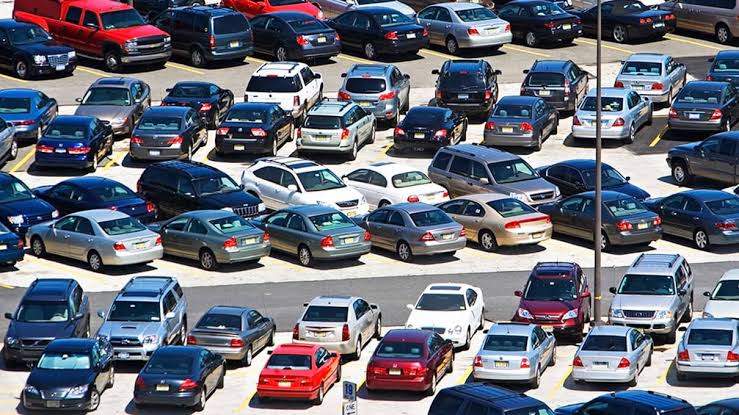
Nairobi motorists have become accustomed to paying a flat daily parking fee whenever they leave their vehicles within the city for past decade, but that long-standing system could soon become history.
The Nairobi City County Government is proposing one of the biggest reforms to urban parking management in over a decade through its proposed Tariffs and Pricing Policy 2025–2030.
If implemented, motorists could pay at least Sh535 per day, with charges varying depending on location and the amount of time a vehicle occupies a parking space.
The proposal is far more significant than a simple increase in parking fees. It represents a broader shift toward cost-based pricing, digital management, congestion control and sustainable revenue generation.
Read Also: What Starlink Subscription Means for Kenya’s Broadband Market & Digital Shift
For thousands of Nairobi residents, businesses and daily commuters, the changes could reshape the economics of driving into Kenya’s capital.
Follow Kenya Frontline X account for more updates
Nairobi Parking Charges Could Increase Beyond Sh535
The proposed pricing framework estimates that providing a single parking space costs approximately Sh535 each day.
County officials argue that the current fee of Sh300 no longer reflects the actual cost of delivering parking-related services.
Those services extend well beyond painting parking bays. According to the policy framework, they include:
- Street lighting
- Road maintenance
- Cleaning services
- Security
- Traffic management
- Parking attendants
- Administrative costs
- Road markings
- Non-motorised transport infrastructure
- Digital parking systems
Instead of charging motorists below the actual service cost, the county wants parking tariffs to better reflect the expenses involved in maintaining urban infrastructure.
Why Nairobi County Wants Higher Parking Fees
The proposal comes at a time when counties across Kenya are under increasing financial pressure.
Devolution has expanded county responsibilities while expenditure continues to rise due to inflation, growing populations and aging infrastructure.
For Nairobi, maintaining roads, streetlights, drainage systems and public spaces requires billions of shillings annually.
County officials argue that outdated pricing structures have created a widening gap between service costs and revenue collections.
Rather than relying heavily on allocations from the national government, the county wants more services to become financially self-sustaining.
Nairobi Parking Fees Comparison
| Item | Current System | Proposed Policy |
|---|---|---|
| Daily CBD parking | Sh300 | From Sh535 or based on cost |
| Charging method | Flat daily fee | Time based and zonal |
| Pricing basis | Fixed by Finance Act | Cost recovery model |
| Monitoring | Traditional enforcement | Digital monitoring and real-time systems |
The move signals a transition from a one-size-fits-all pricing model to a more dynamic system.
Time Based Parking Could Change How Nairobi Residents Drive
One of the biggest changes proposed is the introduction of time-based parking fees.
Instead of paying one amount regardless of whether a vehicle stays for one hour or eight hours, motorists could pay according to the duration of parking.
This approach is common in many large cities around the world.
It discourages long-term occupation of limited parking spaces while increasing turnover for businesses.
For example, someone visiting a bank for thirty minutes would no longer subsidize someone occupying the same space throughout the working day.
From an urban planning perspective, this can improve access to parking while reducing unnecessary congestion.
Nairobi Parking Zones Explained
The county also plans to divide Nairobi into different parking zones.
Zone One
The premium zone includes major commercial districts such as:
- Nairobi CBD
- Westlands
- Upper Hill
- Industrial Area
- Kilimani
- Nairobi West
These locations experience high demand throughout the day, making them suitable for higher parking rates.
Zone Two
All remaining areas outside the premium commercial districts fall under Zone Two.
While pricing details have not yet been finalized, motorists are expected to pay lower rates than those charged in Zone One.
This zoning strategy aims to match parking costs with land values and traffic demand.
How Parking Revenue Supports Nairobi Services
Parking fees are much more than a charge for leaving a vehicle.
They finance several public services that residents use every day.
According to county estimates, revenue contributes toward:
| Service | Why It Matters |
|---|---|
| Street lighting | Improves safety and visibility |
| Road maintenance | Reduces deterioration of roads |
| Security | Supports safer parking environments |
| Cleaning | Keeps commercial districts attractive |
| Traffic management | Reduces congestion |
| Digital systems | Improves revenue collection |
Supporters argue that motorists should receive visible improvements if higher charges are introduced.
That expectation will likely become one of the biggest political issues surrounding the proposal.
Read Also: ‘Transformation is On Course’— Ruto Defends Kenya’s Economic Path in Italy
Nairobi County Revenue Depends Heavily On Parking Fees
Parking remains one of Nairobi’s strongest sources of internally generated revenue.
Over recent years, it has consistently ranked among the county’s highest-performing revenue streams.
Other important income sources include:
- Land rates
- Business permits
- Hospital services
- Building approvals
- Market fees
- Outdoor advertising
- Wayleave charges
With approximately 17,000 parking spaces across the city, even modest tariff adjustments can significantly increase county collections.
If every parking bay generated Sh535 daily, total revenue potential would rise substantially compared to the current Sh300 rate.
Why Nairobi Wants Cost Based Pricing
One of the central ideas behind the policy is cost recovery.
Rather than setting prices arbitrarily, the county wants charges to reflect the real expense of providing public services.
Economists often argue that this approach creates several advantages.
First, it improves financial sustainability.
Second, it allows governments to invest more consistently in infrastructure.
Third, it creates greater transparency by showing taxpayers what they receive in exchange for their payments.
However, successful implementation depends on visible improvements in service delivery.
Without better roads, cleaner streets and safer parking, motorists may struggle to support higher fees.
Digital Parking Management Could Reduce Revenue Leakages
Beyond increasing prices, the county also wants to modernize parking administration.
Digital platforms and real-time monitoring could become central components of the new system.
Potential benefits include:
- Reduced corruption
- Faster payment processing
- Better enforcement
- Accurate occupancy tracking
- Improved financial reporting
- Less revenue leakage
Many Kenyan counties continue to lose significant amounts of locally generated revenue because of manual collection methods.
Digitisation could therefore increase collections without relying entirely on higher charges.
Economic Impact On Nairobi Motorists
The proposal comes at a difficult economic moment for many households.
Fuel prices remain volatile.
Vehicle maintenance costs have increased.
Insurance premiums continue rising.
Loan repayments have become more expensive following higher interest rates experienced in recent years.
For workers driving into Nairobi every weekday, parking represents another major transport expense.
Estimated Monthly Cost Comparison
| Parking Rate | Monthly Cost 22 Working Days |
|---|---|
| Sh300 | Sh6,600 |
| Sh535 | Sh11,770 |
That represents an increase of more than Sh5,000 every month for regular commuters.
For many middle-income households, the additional cost may influence commuting decisions.
Some drivers could shift toward public transport, carpooling or park-and-ride options if available.
Businesses Could Also Feel The Effects
Parking costs rarely affect only motorists.
Retailers, restaurants and professional offices often depend on convenient customer access.
Higher parking fees could discourage short shopping trips if visitors perceive parking as expensive.
On the other hand, time-based pricing may actually benefit businesses by increasing parking turnover.
Instead of spaces remaining occupied all day, customers may find it easier to secure parking for brief visits.
The overall impact will depend largely on how the tariff structure is designed.
Lessons From Global Cities
Many major cities have moved away from flat parking charges.
Cities such as London, Singapore and parts of Australia use pricing as a tool to manage congestion rather than simply collect revenue.
Dynamic pricing encourages efficient use of limited urban space.
When parking becomes scarce during peak hours, higher prices naturally reduce unnecessary demand.
Although Nairobi’s transport challenges differ from those cities, similar economic principles apply.
Road space remains limited while vehicle ownership continues growing every year.
Public Opposition Could Shape Final Decision
Parking charges have historically generated strong reactions among Nairobi motorists.
The last major increase, introduced more than a decade ago, faced legal challenges before eventually taking effect.
This latest proposal may encounter similar resistance.
Many residents are likely to ask important questions:
- Will roads improve?
- Will security increase?
- Will street lighting become more reliable?
- Will digital systems reduce corruption?
- Will public transport improve alongside higher charges?
Public participation will therefore become a crucial part of the policy process.
Legal Approval Still Required
Importantly, the proposed pricing policy does not automatically change parking fees.
Before motorists begin paying new rates, several legal and administrative steps must occur.
These include:
- Public participation.
- Review by county leadership.
- Inclusion within the County Finance Act.
- Debate and approval by the Nairobi County Assembly.
- Formal implementation after enactment.
Until that process is complete, the current parking charges remain in effect.
Could Higher Parking Fees Reduce Nairobi Traffic
Urban economists often view parking policy as a transport management tool rather than merely a revenue source.
When parking prices reflect demand, drivers become more selective about using private vehicles.
Some shift to public transport.
Read Also:Ngemi Festival 2026: Theme, Venue, Date and Everything You Need to Know
Others share rides.
Businesses increasingly embrace flexible work arrangements.
These behavioural changes can reduce congestion, lower emissions and improve traffic flow.
However, such benefits only materialise when reliable alternatives to private vehicles exist.
Without significant improvements in public transport, higher parking fees may simply increase the financial burden on commuters.
What Nairobi Residents Should Watch Next

The proposed parking reforms represent one of the most ambitious changes to Nairobi’s urban revenue model in years.
While the estimated Sh535 daily cost has attracted the most attention, the broader policy aims to modernise how the county prices and manages public services.
Success will ultimately depend on whether residents experience measurable improvements in infrastructure, transparency and service delivery.
If implemented effectively, the reforms could strengthen county finances while promoting more efficient use of limited urban space.
If execution falls short, however, the proposal risks becoming another contentious debate over the cost of living in Kenya’s capital.