Court Rejects State Bid to Cancel Sh50M Mudavadi Office Tender

Government expenditure is one of the most strictly regulated functions of state administration, yet attempts to bypass procurement procedures continue to face legal hurdles.
The High Court of Kenya delivered a landmark ruling on July 24, 2026, affirming the authority of public oversight bodies to hold government institutions accountable. Presiding over the case, Justice Nabil Orina dismissed an application by the State Department for National Government Coordination seeking to overturn a decision by the Public Procurement Administrative Review Board.
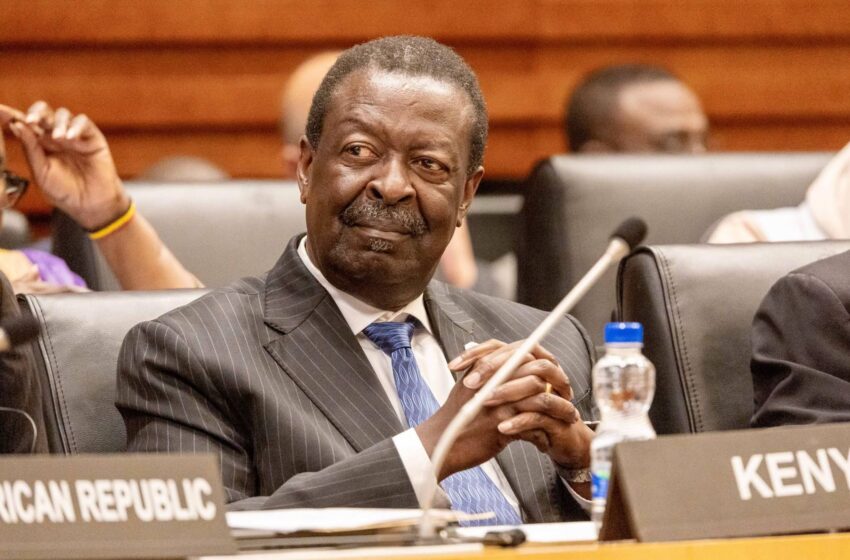
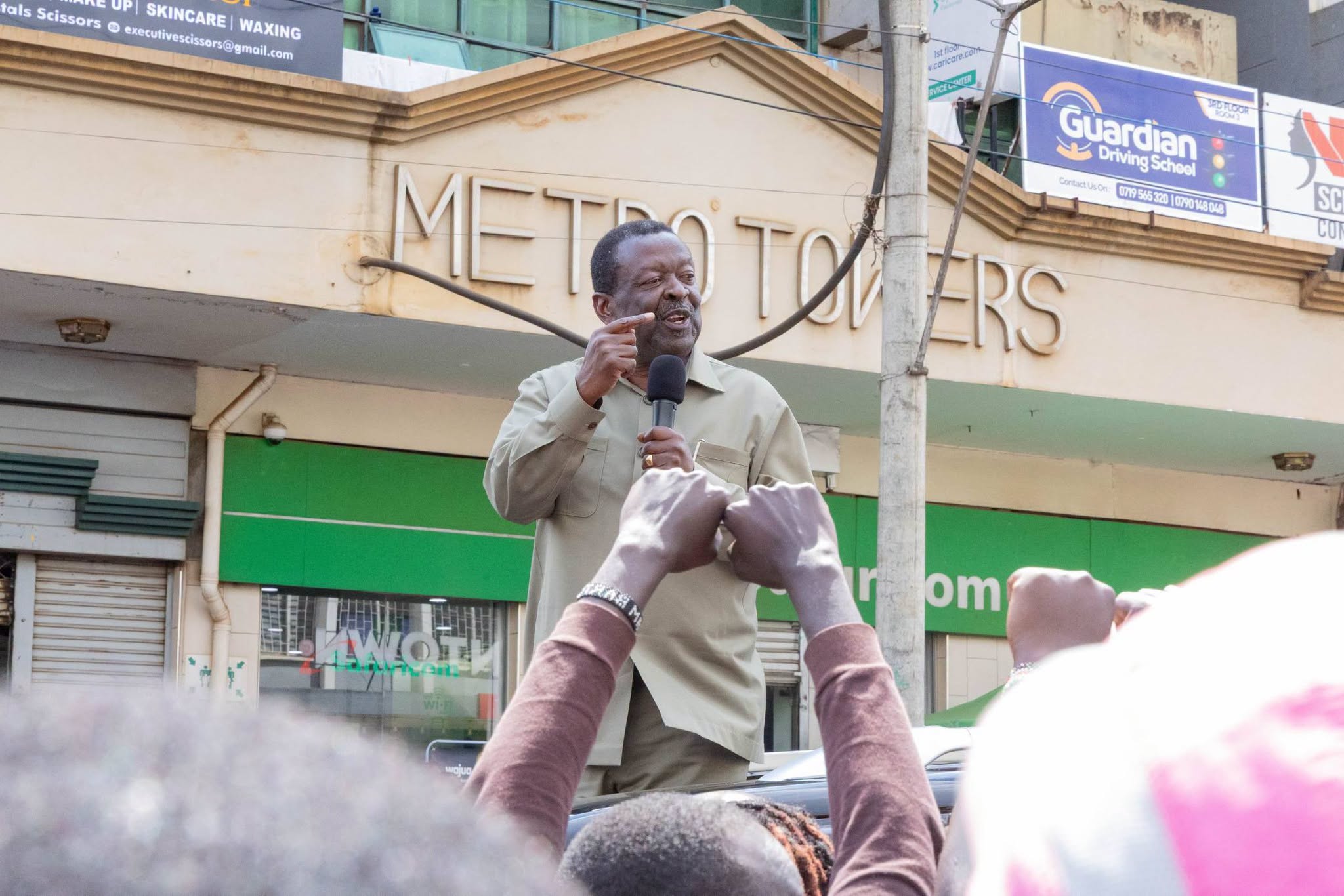
The dispute centered around Tender No. SDNGC/ONT/01/2025-2026, a Sh50 million project allocated for renovation works at the Office of the Prime Cabinet Secretary, Musalia Mudavadi, located at the Kenya Railways Headquarters in Nairobi.
The legal battle escalated after the State Department abruptly terminated the procurement process on April 24, 2026, right before executing the final contract.
To justify the cancellation, the government cited severe budget shortfalls. It argued that 51 newly recruited officers were deployed to the department, forcing leadership to divert funds toward immediate operational needs like office space and furniture.
Unsatisfied with the sudden termination, Fossil Agencies Limited, one of the primary bidders, filed a challenge before the Review Board. The Board determined that the state failed to provide concrete evidence of these budgetary constraints and ordered the procurement process to resume.
Following the Board’s directive, the State Department appealed to the High Court. It contended that once a tender is terminated due to inadequate budgetary provision, the Review Board loses its legal authority to hear related complaints.
However, Justice Orina rejected this argument, clarifying that oversight boards are not required to accept administrative claims at face value without factual verification. The court emphasized that public entities cannot shield their actions from legal oversight simply by citing financial limitations.
What Standard of Scrutiny Must Government Agencies Meet?
The ruling established that administrative convenience cannot override statutory procurement frameworks designed to safeguard public funds. Justice Orina ruled that the Review Board acted strictly within its jurisdiction when it requested verifiable proof of the alleged financial deficit before accepting the cancellation.
Allowing state bodies to evade scrutiny through unverified claims would undermine transparency and defeat the purpose of public procurement laws. Court records revealed that the renovation project at Musalia Mudavadi’s office was properly budgeted at Sh50 million and had successfully progressed through standard statutory stages.
After the tender was advertised in March 2026, twelve bids were submitted and evaluated. Fossil Agencies Limited emerged as the lowest evaluated responsive bidder with a quote of Sh46.5 million. A professional opinion formally recommending the contract award had already been finalized before the State Department halted the process.
The evidence presented by the State Department relied almost entirely on an internal letter requesting the National Treasury to reallocate the tender funds. However, state representatives failed to present documentation proving that the National Treasury had approved or executed the requested reallocation.
Furthermore, the court discovered that the recruitment of the 51 officers had occurred months prior to the tender’s advertisement. This finding undermined the state’s claim that unexpected staffing changes forced an emergency diversion of funds.
Why Is Judicial Deference Important for Procurement Oversight?
In his judgment, Justice Orina underscored that procurement legislation permits cancellation due to genuine financial difficulties, but such assertions require strict evidential backing showing actual withdrawal of funds. Without documented confirmation from the Treasury, the attempt to cancel the tender appeared to be an afterthought driven by extraneous factors outside procurement law.
The judge noted that allowing such arbitrary cancellations sets a dangerous precedent for future public infrastructure projects. He ultimately declined to interfere with the orders issued by the Public Procurement Administrative Review Board, highlighting the principle of judicial deference toward specialized administrative tribunals.
The High Court concluded that the Board executed its duties legally, rationally, and well within its statutory mandate, thereby dismissing the State Department’s case and clearing the path for the tender process to proceed. This decision reinforces legal protections guaranteed to private contractors who participate in competitive government bidding.
By upholding the Board’s decision, the court ensured that public entities remain bound by principles of fairness and transparency. The ruling serves as a clear warning to accounting officers across all ministries that financial claims must be backed by documentary proof when terminating valid procurement processes.