
East African Crude Oil Pipeline Headed for July Completion as First Exports Nears

Images/ Business Insider Africa
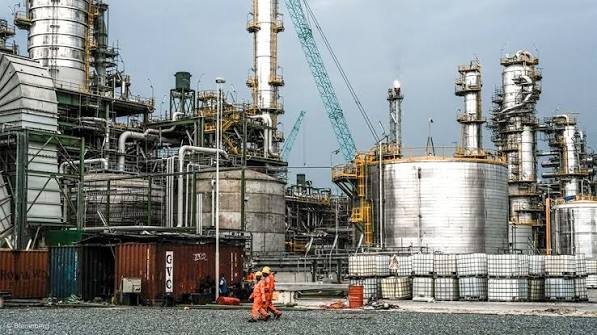
East African countries are preparing to begin crude oil exports through the East African Crude Oil Pipeline (EACOP) as construction of the cross-border infrastructure enters its final stages.
The 1,443-kilometre heated pipeline, stretching from Uganda’s oil fields in the Lake Albert basin to the Tanzanian port of Tanga on the Indian Ocean, is expected to be completed by the end of July, with oil exports anticipated to begin in October.
The engineering required to move the resource across vast terrains is unprecedented for the region. The pipeline will transport crude oil from the Tilenga and Kingfisher oil fields in western Uganda to international markets through Tanzania’s coastline and is set to become the world’s longest electrically heated crude oil pipeline.
Once operational, the project is expected to export more than 200,000 barrels of crude oil per day, marking the first time Uganda exports commercially produced crude oil.
The influx of capital and modern technology has completely redefined regional trade dynamics. The development positions the East African region among emerging oil-exporting corridors, with both Uganda and Tanzania projecting economic benefits from the investment through infrastructure development, employment and increased trade.
Technological Innovations and Safety Architecture of the Underground Line
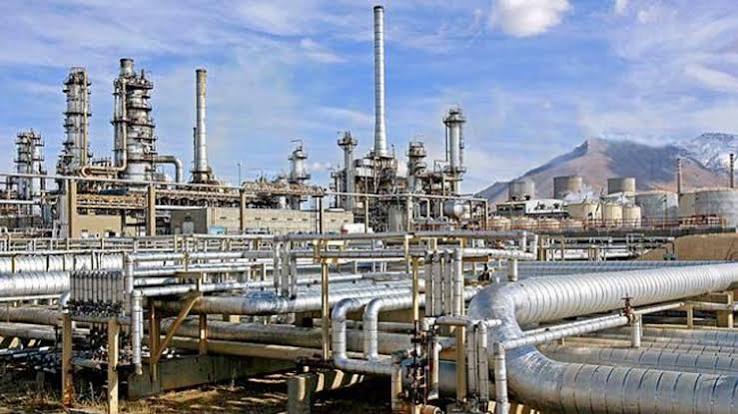
The physical properties of the resource necessitated an entirely new approach to long-distance pipeline transit. The East African Crude Oil Pipeline Company describes the project as a technologically advanced heated pipeline designed to transport Uganda’s waxy crude oil safely over the long distance to the export terminal at Tanga. Because the oil solidifies at room temperature, keeping it flowing requires constant insulation and specialized electrical currents.
A sophisticated array of protective measures has been integrated into the network to mitigate structural risks.
According to the company, the pipeline has been pressure-tested, will be monitored along its entire route and incorporates leak detection systems capable of isolating sections of the pipeline in the event of an incident.
The structural design also aims to minimize visual and spatial disruption across the landscape. The company also says the pipeline has been designed to remain underground along its route, while operations will be managed through multiple control stations.
Environmental Management and Ecosystem Safeguards Along the Route
The immense scale of the project has naturally invited intense scrutiny from local and international watchdogs. The project has attracted international attention since construction began, with discussions focusing on energy development, environmental management and community livelihoods. Balancing economic transformation with ecological conservation remains the most delicate aspect of the entire venture.
Civil society groups and conservationists maintain a vigilant presence along the path of the development. Environmental organisations have continued to call for careful management of ecosystems along the pipeline route, while also highlighting the importance of safeguarding protected habitats and water resources.
The diverse terrain crossed by the corridor serves as a sanctuary for numerous sensitive species. The pipeline passes through parts of Uganda and Tanzania that are home to diverse wildlife and several environmentally significant areas.
Commercializing Lake Albert Basin and Driving National Growth
The political leadership of the region views the completion of the line as an essential catalyst for long-term fiscal independence. Ugandan authorities have consistently maintained that the country’s oil resources are central to its long-term economic development agenda and say petroleum revenues are expected to support broader national growth once production begins.
The massive financial undertaking required a syndicate of global energy conglomerates to match the immense capital demands. The project has also drawn significant international investment, with partners including French energy company TotalEnergies and the China National Offshore Oil Corporation (CNOOC).
READ: Fuel Prices in Kenya Explained: Why Debt Pressure May Matter More Than Global Oil Trends
Completion of the export pipeline provides the infrastructure required to commercialise oil reserves discovered in the Lake Albert basin nearly two decades ago. Construction of EACOP has been ongoing alongside the development of production facilities at the Tilenga and Kingfisher oil fields, both of which are expected to begin supplying crude once the export system becomes operational. The commissioning of the pipeline will mark a significant milestone for East Africa’s energy sector as Uganda joins the ranks of crude oil-exporting nations through a dedicated international pipeline linking the region to global markets.