Franck Kessie Future Sparks Ivory Coast Debate After Painful World Cup Exit

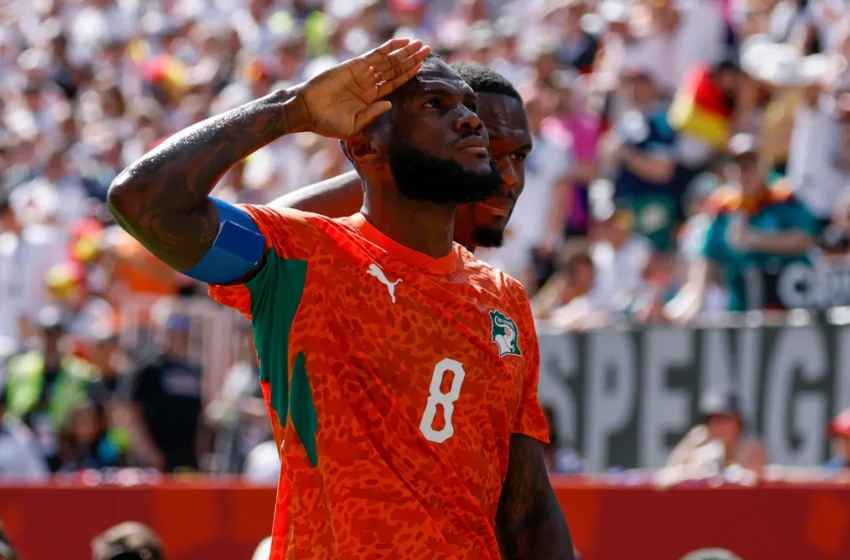
Ivory Coast’s inspiring journey at the 2026 FIFA World Cup came to a heartbreaking conclusion after a narrow defeat to Norway, leaving captain Franck Kessie facing difficult questions about both his own international future and the direction of the national team.
The experienced midfielder admitted that retirement from international football is something he will eventually consider, although he stressed that no emotional decision should be made immediately after such a painful elimination.
For Ivory Coast supporters, Kessie’s comments represent more than personal uncertainty. They symbolize a turning point for one of Africa’s most talented football generations.
The Elephants entered the tournament with renewed confidence following recent improvements under head coach Emerse Faé. While their campaign ended earlier than hoped, their performances suggested the nation has re-established itself among Africa’s strongest football powers.
Ivory Coast World Cup Campaign Showed Promise Despite Elimination
Reaching the knockout stage marked another important milestone for Ivory Coast football.
Against Norway, the West Africans demonstrated confidence, creativity and attacking ambition throughout much of the match.
Although they eventually lost 2-1, the statistics painted a more balanced picture than the scoreline suggested.
| Match Statistics | Ivory Coast | Norway |
|---|---|---|
| Goals | 1 | 2 |
| Corners | 12 | 3 |
| Shots | Higher total | Lower total |
| Possession Trend | Attacking for long periods | More clinical finishing |
Ivory Coast consistently pushed forward, forcing Norway to defend for significant periods.
However, football at the highest level often rewards efficiency instead of dominance.
Norway converted key opportunities while Ivory Coast struggled to capitalize on sustained pressure around the penalty area.
That difference ultimately proved decisive.
Franck Kessie Leadership Remained Central Throughout Tournament
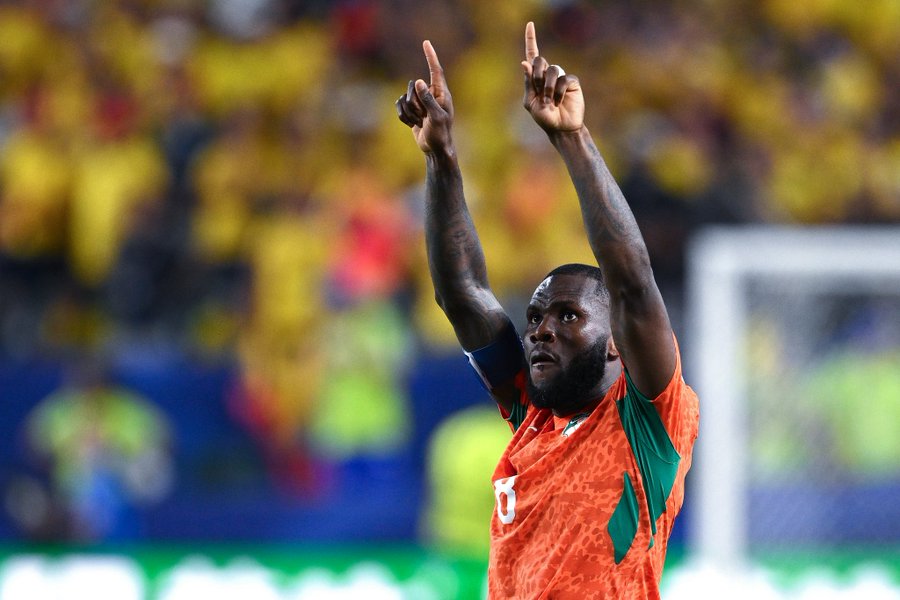
Kessie once again demonstrated why he remains one of Africa’s most respected midfield leaders.
Despite recovering from an injury shortly before the tournament, he played nearly every minute of Ivory Coast’s campaign.
His leadership extended beyond tactical responsibilities.
Throughout the competition he served as the emotional leader inside a squad blending experienced internationals with younger emerging talents.
Following elimination, Kessie emphasized that true captains do not abandon their teams during difficult moments.
His comments reflected responsibility rather than frustration, reinforcing why teammates continue to trust his leadership.
Whether he eventually retires from international football or continues through another African Cup of Nations cycle, his influence has already shaped a generation of Ivorian footballers.
Norway Punished Small Margins That Decide World Cup Matches
The match itself illustrated one of football’s oldest lessons.
Creating opportunities alone rarely guarantees success.
Norway opened the scoring through Antonio Nusa before halftime after capitalizing on one of relatively few clear attacking opportunities.
Ivory Coast responded impressively.
Substitute Amad Diallo produced an outstanding individual goal that appeared to shift momentum entirely toward the African side.
Yet instead of maintaining attacking pressure, Ivory Coast gradually retreated deeper.
That tactical adjustment allowed Norway to regain confidence before Erling Haaland delivered the decisive late goal.
At World Cups, moments often outweigh momentum.
Elite teams frequently survive difficult periods before exploiting isolated defensive mistakes.
Norway executed precisely that formula.
Why Clinical Finishing Matters More Than Possession
Modern football analytics consistently show that expected opportunities mean little without quality finishing.
Ivory Coast generated pressure through repeated attacks and numerous corner kicks.
However, the final pass, finishing touch and decision-making inside the penalty area repeatedly fell short.
Several African nations have experienced similar frustrations at recent World Cups.
Possession statistics and territorial dominance increasingly matter less than converting high-value scoring opportunities.
Elite international teams prepare extensively for transition moments because knockout football often rewards patience instead of constant attacking pressure.
Norway demonstrated remarkable discipline before striking decisively when space finally appeared.
Franck Kessie Future Could Shape Ivory Coast Next Generation
Kessie is now approaching an important stage of his career.
At 29 years old, he remains capable of competing at the highest international level, but international football places enormous physical and mental demands on experienced players.
His eventual decision could influence Ivory Coast’s rebuilding strategy ahead of future continental competitions.
| Possible Scenario | Impact on Ivory Coast | Long Term Outlook |
|---|---|---|
| Kessie continues | Stability and leadership | Easier transition for young players |
| Gradual reduced role | Shared leadership | Smooth succession planning |
| Immediate retirement | Leadership gap | Faster rebuilding process |
National teams often struggle when experienced captains depart simultaneously.
Managing succession has become one of the biggest challenges for international coaches worldwide.
If Kessie remains available for another tournament cycle, Ivory Coast would benefit from valuable continuity while younger midfielders gain experience.
African Football Continues Closing Gap With Global Powers
Despite elimination, Ivory Coast’s campaign reflects broader progress across African football.
The continent’s leading nations continue investing heavily in coaching, sports science and youth development.
More African players now compete regularly in Europe’s top leagues than ever before.
That exposure improves tactical understanding while raising competitive standards across national teams.
Recent tournaments have demonstrated that African nations are increasingly capable of competing evenly against established football powers.
The challenge now lies in consistently converting competitive performances into deep World Cup runs.
Small tactical improvements, squad depth and game management could become the difference between early exits and semifinal appearances in future tournaments.
Economic Impact Extends Beyond Football
Major international tournaments carry significant economic importance for participating countries.
Successful World Cup campaigns often generate increased tourism interest, commercial sponsorships and international visibility.
Star players also become powerful marketing assets for domestic football development.
A strong national team inspires grassroots participation while attracting private investment into academies and sporting infrastructure.
Even though Ivory Coast exited earlier than supporters hoped, positive tournament performances can still strengthen confidence among sponsors and football administrators.
Maintaining investment after disappointing defeats is often more important than celebrating temporary success.
Long-term planning rather than emotional reactions typically produces sustained international competitiveness.
What Ivory Coast Must Improve Before Next Major Tournament
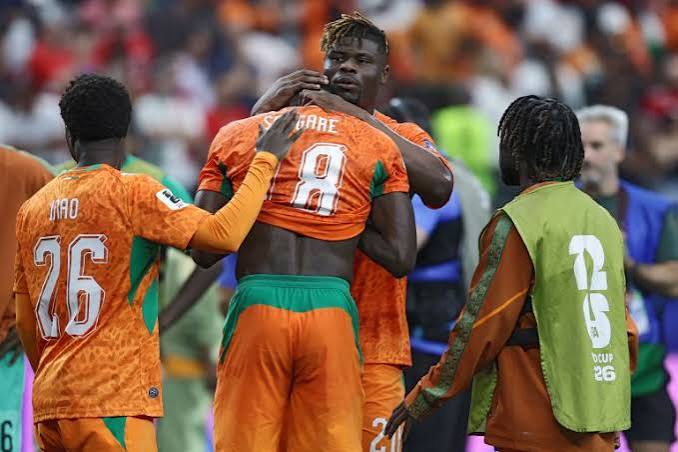
The World Cup exposed several areas requiring further development.
Improve Finishing Efficiency
Creating chances is only half the challenge.
Elite teams convert limited opportunities under pressure.
Improving attacking efficiency should remain a priority.
Build Greater Squad Depth
Strong starting elevens are no longer enough.
Modern tournaments demand impactful substitutes capable of changing matches.
Develop Tactical Flexibility
Different opponents require different approaches.
Being able to maintain attacking momentum after equalizing could prove decisive in future knockout matches.
| Key Area | Current Performance | Future Priority |
|---|---|---|
| Leadership | Strong | Maintain continuity |
| Chance Creation | Very Good | Sustain consistency |
| Finishing | Inconsistent | Highest priority |
| Defensive Concentration | Competitive | Improve late-game focus |
What Comes Next For Franck Kessie
The midfielder made clear that no immediate announcement should be expected.
After an exhausting domestic and international season, rest will naturally take priority before any major decisions are made.
Whether he chooses to continue representing Ivory Coast or eventually steps away from international football, his contribution to the national team has already secured his place among the country’s modern football leaders.
His resilience following injury, commitment throughout the tournament and willingness to accept responsibility after defeat earned respect far beyond the final scoreline.
Football careers inevitably evolve.
Captains eventually pass leadership to younger generations.
The true measure of legacy, however, is not defined solely by trophies but by the standards established for those who follow.
For Ivory Coast, the World Cup ended with disappointment.
Yet it also revealed a squad capable of competing with elite opposition, a coaching staff building long-term stability and a football nation that continues moving toward greater international relevance.
The coming months will determine Kessie’s personal future, but the broader trajectory of Ivorian football appears encouraging.
If lessons from this tournament are translated into smarter tactical preparation, continued youth development and sustained investment, this painful defeat may ultimately become an important stepping stone toward even greater achievements on the global stage.