
Gachagua Takes Aim at Housing Levy

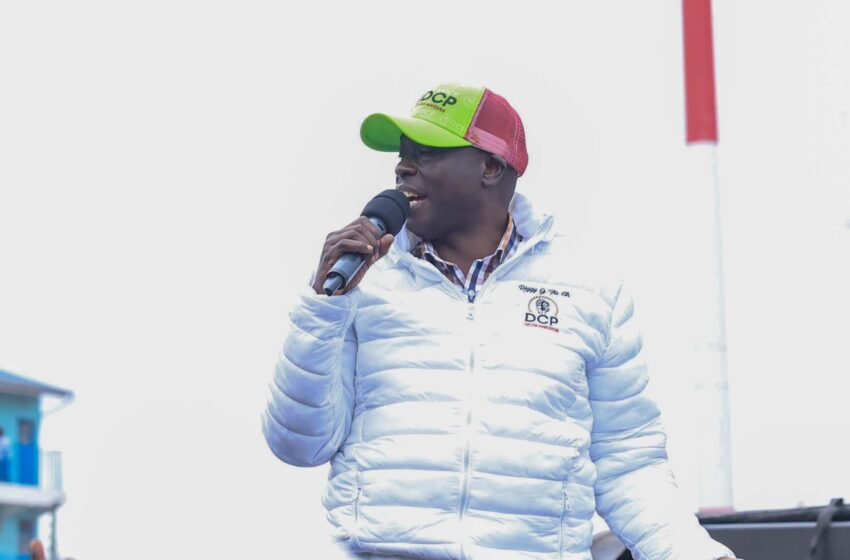
Former Deputy President Rigathi Gachagua has pledged to abolish the Affordable Housing Levy if elected president, arguing that the deduction has reduced workers’ disposable income and weakened the value of their monthly payslips.
Gachagua made the promise during an interview with Meru media houses on Monday night, where he positioned the cost of living and the burden of statutory deductions among the key issues he would seek to address if he wins the presidency.
The former Deputy President said Kenyan workers were increasingly struggling to retain enough of their earnings after mandatory deductions, arguing that government policies should improve household incomes rather than place additional pressure on employees.
Gachagua said restoring the purchasing power of workers would be a priority under his administration, particularly at a time when households are dealing with higher prices for basic goods and services.
He linked his proposed changes to the Affordable Housing Levy to a wider pledge to improve the financial position of workers and give them greater control over their earnings.
“We must restore the dignity of the payslip,” Gachagua said as he appealed to Kenyan workers to support his presidential bid.
The Affordable Housing Levy was established under the Affordable Housing Act, 2024, requiring employees to contribute 1.5 per cent of their gross monthly salary towards the programme.
Employers are required to make a matching contribution of 1.5 per cent, meaning the levy represents a combined contribution of three per cent of an employee’s gross pay.
The Kenya Revenue Authority collects the levy before the money is remitted to the Affordable Housing Fund, which finances the government’s Affordable Housing Programme.
Government plans under the programme include the construction of affordable housing units and supporting infrastructure, alongside efforts to create employment opportunities in the construction industry.
The Kenya Kwanza administration has consistently defended the levy as a major component of its economic agenda, arguing that the programme will help address Kenya’s housing shortage while creating jobs and stimulating economic activity.
The policy has nevertheless become one of the most controversial economic measures introduced by President William Ruto’s administration.
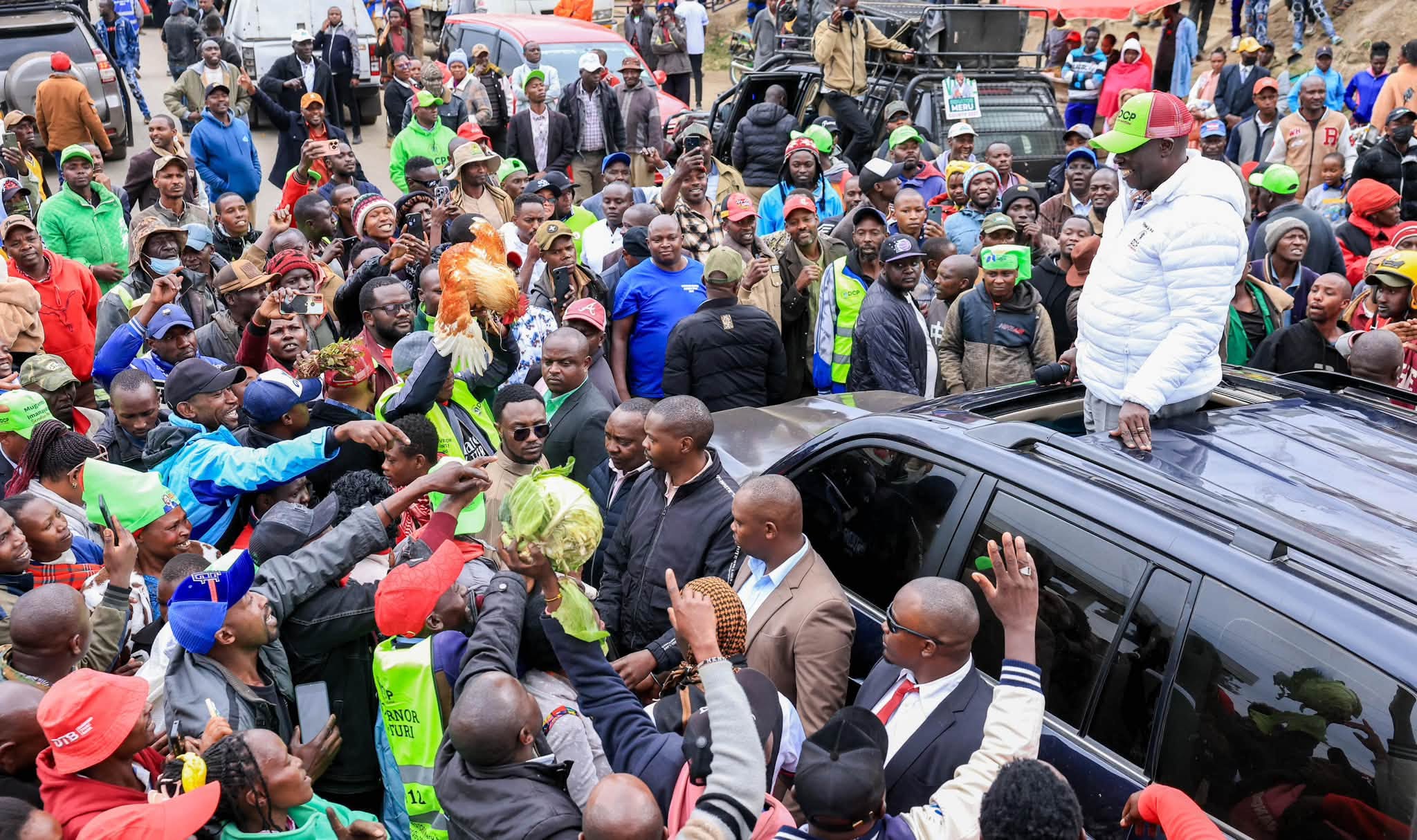
Critics have maintained that mandatory deductions reduce workers’ take-home pay at a time when households are already facing rising living costs.
Employers have also raised concerns about the additional financial burden created by the matching contribution, particularly for businesses dealing with increased operating expenses.
Gachagua’s proposed abolition of the levy would therefore represent a major shift in government policy and could affect the financing structure of the Affordable Housing Programme.
The former Deputy President did not, however, propose abandoning the housing programme altogether.
Instead, he suggested that housing units already constructed under the government initiative could be repurposed as government housing for public servants.
His proposal would see some of the completed units made available to public servants, including police officers, who often face challenges accessing decent and affordable accommodation near their places of work.
Other units could be transferred to county governments, according to Gachagua, giving devolved administrations an opportunity to manage the properties and generate revenue from them.
The proposal would effectively change the purpose and management of some houses that have already been constructed through the Affordable Housing Programme.
Gachagua was asked whether the houses would be given to public servants free of charge, prompting him to clarify that his proposal did not involve handing over the properties at no cost.
He said the units would remain government-owned housing, meaning public servants would occupy them under a government housing arrangement rather than receive ownership of the properties.
The proposal comes amid an ongoing national debate over how Kenya should finance affordable housing while protecting workers from excessive deductions.
The government has argued that the housing levy is necessary to provide a sustainable funding mechanism for the construction programme.
Officials have also linked the initiative to job creation, particularly in the construction sector, where large-scale housing projects require workers across several areas of the economy.
The government’s position is that the housing programme can simultaneously address the housing deficit and support economic growth by creating demand for construction materials, transport services, labour and other businesses connected to the sector.
Critics, however, have questioned whether workers should be compelled to finance a government programme through deductions from their salaries.
The debate has remained particularly sensitive among formally employed Kenyans, whose payslips already carry several statutory deductions before their salaries reach their bank accounts.
Gachagua’s criticism builds on his broader political positioning around the cost of living and household finances.
His promise to abolish the Affordable Housing Levy could therefore become an important campaign message as he seeks to build support among workers and other voters concerned about their shrinking disposable incomes.
The former Deputy President has increasingly used the burden of taxation and statutory deductions as part of his criticism of the current administration’s economic policies.
His latest proposal also places the Affordable Housing Programme at the centre of a potential policy contest ahead of the next General Election.
Abolishing the levy would require changes to the legal and administrative framework supporting the Affordable Housing Fund, given that the contribution is established under legislation.
Any incoming administration seeking to remove or replace the levy would therefore have to address the funding arrangements already tied to the housing programme.
The proposal to convert completed housing units into government accommodation could also require a review of how the properties are allocated and managed.
County governments could potentially play a larger role if some of the units are transferred to the devolved level, although such a move would require clear mechanisms for ownership, maintenance and revenue collection.
Gachagua’s remarks have consequently opened a wider question over whether Kenya’s affordable housing agenda should continue to rely on compulsory salary deductions or adopt alternative sources of funding.
The former Deputy President is betting that workers will respond positively to a policy that promises to put more money back into their pockets.
His pledge to abolish the levy, coupled with the proposal to repurpose already completed housing units, offers a markedly different approach from the current administration’s model.
The Affordable Housing Programme remains one of President Ruto’s flagship initiatives, making Gachagua’s proposal likely to feature prominently in the political and economic debate as the 2027 election approaches.
The contest over the housing levy could ultimately become about more than housing itself, with workers’ payslips, household spending power and the government’s approach to taxation emerging as central issues in the coming political campaign.