
HIV Drug Resistance Raises Fresh Alarm in Sub-Saharan Africa

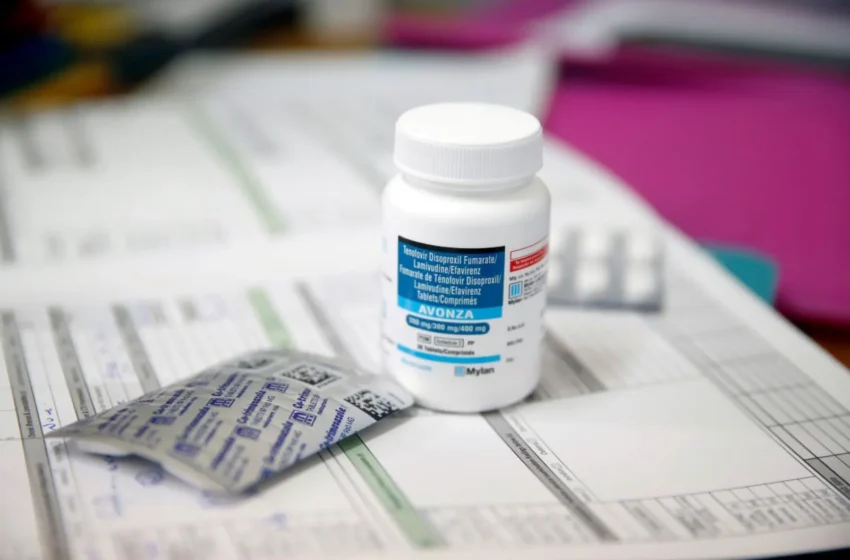
HIV scientists have raised fresh concern over emerging resistance to dolutegravir, a drug that has become a cornerstone of treatment for people living with HIV across Sub-Saharan Africa.
Findings from the Ndovu Study presented at the recent International AIDS Society (IAS) summit in Rio de Janeiro, Brazil, showed evidence of dolutegravir resistance among people living with HIV in Kenya, Tanzania, Mozambique and Lesotho.
Researchers warned that if the trend is not detected and addressed early, treatment failures could increase, putting patients at greater risk of weakened immunity, opportunistic infections and potentially life-threatening complications.
“There is limited evidence to guide the management of DTG resistance among people with HIV. Through the study, we are generating evidence to inform treatment decisions for patients who develop DTG resistance,” said Dr Loice Ombajo, the principal investigator and an infectious disease expert.
The drug under scrutiny is dolutegravir, commonly known as DTG, which has been a preferred first- and second-line HIV treatment since 2018. Its widespread use is largely attributed to its effectiveness, relatively simple dosing and fewer side effects compared with some older antiretroviral medicines.
Resistance threatens a trusted HIV drug
According to the World Health Organisation (WHO), dolutegravir is more effective and easier to take than several other HIV medicines. It also has a strong genetic barrier to resistance, meaning the virus generally requires several changes before it can overcome the drug.
That characteristic has made DTG an important part of efforts to achieve viral suppression among people living with HIV and reduce the risk of transmission.
The emergence of resistance is therefore particularly concerning because the medicine has been relied upon in HIV treatment programmes across the region.
The Ndovu Study is seeking to understand how frequently resistance occurs, what causes treatment failure and how patients who develop resistance can be managed effectively.
Dr Ombajo shared results from resistance testing conducted after the enrolment of the first 2,994 participants across 131 sites in Kenya. All the participants had been taking DTG-based treatment for at least six months.
Those who were found to have major DTG-associated drug-resistance mutations were subsequently enrolled in a nested clinical trial intended to generate evidence on the most effective ways of managing people experiencing treatment failure.
The researchers, however, found that not every patient who fails to achieve viral suppression has drug resistance.
Adherence remains one of the biggest factors influencing the success of HIV treatment. Patients who miss doses or take their medication inconsistently can allow the virus to multiply and potentially develop resistance.
Dr Ombajo said nearly nine out of 10 people taking DTG-based treatment respond well and achieve viral suppression. A smaller proportion, however, continues to have high viral loads despite being on treatment.
Viral suppression occurs when HIV treatment reduces the amount of virus in a person’s blood to fewer than 200 copies per millilitre. Maintaining suppression helps protect the immune system and significantly reduces the risk of transmitting HIV.
When participants were first enrolled in the study, many showed no evidence of resistance. Researchers worked with them to improve adherence and support them in taking their medication as prescribed.
About 70 per cent of that group subsequently achieved viral suppression.
It was the remaining 30 per cent that attracted closer attention from the researchers.
Scientists needed to establish whether their continued high viral loads were caused by poor adherence or whether the HIV virus had developed resistance to dolutegravir.
When the researchers examined the group, they found that three out of every 10 participants were resistant to the drug.
The finding highlights the importance of distinguishing between treatment failure caused by poor adherence and failure caused by drug resistance.
“The challenge with resistance is that it doesn’t matter whether you take the drug or not. The drug is unlikely to work. That is a concern because that is a drug we are using for HIV treatment,” Dr Ombajo told the Saturday Nation.
For patients whose treatment failure is caused by poor adherence, additional support and counselling can help them return to effective treatment.
For someone whose virus has developed resistance, however, simply improving adherence may not be enough. The treatment itself may need to be changed.
Testing gap puts patients at risk
Dr Ombajo said one of the biggest challenges facing HIV programmes is the cost and availability of drug-resistance testing.
Many countries in the region do not have the resources to routinely conduct resistance tests, making it difficult for healthcare workers to determine why a patient is failing treatment.
Viral-load testing can show whether treatment is suppressing HIV, but additional testing may be needed to establish whether resistance is responsible when suppression is not achieved.
Without that information, a patient whose virus is resistant to dolutegravir could remain on a treatment that is unlikely to work.
As HIV continues to multiply, the patient’s immune system can become progressively weaker, increasing the risk of opportunistic infections.
These can include serious conditions such as meningitis and certain types of pneumonia, which can become life-threatening in people with severely weakened immunity.
Dr Ombajo said identifying resistance early is therefore critical because it allows clinicians to switch affected patients to alternative drug combinations.
At the same time, patients who have not developed resistance need support to ensure they continue taking their medication consistently.
“It is important to identify those that are likely to have resistance so that we change their drugs. For those who don’t have resistance yet, we need to identify how to support them better so that they keep taking their medicine,” she said.
The issue also has implications for efforts to prevent mother-to-child transmission of HIV.
Researchers identified pregnant and breastfeeding women with drug resistance during the study, raising concerns about the consequences of treatment failure among women who can potentially transmit the virus to their children.
The National Syndemic Disease Control Council has continued to identify mother-to-child transmission as an important public health challenge.
A woman with a high viral load is more likely to transmit HIV to her child than one whose virus is suppressed. Adults with unsuppressed HIV also face a greater risk of transmitting the virus to sexual partners.
Dr Ombajo said effective HIV treatment works by suppressing the virus and preventing it from multiplying. When resistance develops, the medicine may no longer be able to control the virus effectively.
“We identified pregnant and breastfeeding women with drug resistance. It is the medicine that kills the virus and stops it from multiplying,” she said.
There is, however, some encouraging evidence from the study.
Participants who were found to have resistance to DTG-based treatment were switched to alternative drug combinations and monitored for three months.
Approximately eight out of 10 of those participants achieved viral suppression after being placed on new treatment options.
The researchers are continuing to monitor the patients to determine whether they can maintain that level of suppression over a longer period.
“We are continuing with the study to see if they maintain this level of suppression,” Dr Ombajo said.
The findings come against a backdrop of growing pressure on HIV programmes caused by funding constraints and shortages of essential supplies.
Dr Ombajo said viral-load monitoring should ideally be conducted once every year. However, shortages of reagents and other supplies have affected the ability of health facilities to provide testing as frequently as required.
“We can’t do the viral load testing as well as we should because of issues of availability of reagents and supplies,” she said.
Drug-resistance testing is an even greater challenge because it is expensive and requires specialised laboratory capacity.
Although resistance to dolutegravir is increasingly being documented in countries such as Kenya, the issue has been recognised globally.
The WHO’s 2024 HIV Drug Resistance Report highlighted growing concerns around resistance and outlined recommendations for governments seeking to strengthen surveillance and treatment programmes.
The organisation has urged countries to routinely implement standardised HIV drug-resistance surveillance to establish the prevalence and patterns of resistance, particularly among people who fail to achieve viral suppression.
The drug continues to work well for the vast majority of people who take it correctly. Rather, the findings highlight the need to identify the smaller group for whom the treatment is no longer effective.
The distinction could prove critical in preventing avoidable treatment failures.
Patients who struggle with adherence need support that addresses the reasons they miss medication, whether forgetfulness, treatment fatigue or difficulty accepting their diagnosis.
Those who have developed resistance need timely testing and alternative treatment before prolonged viral replication causes serious damage to their immune systems.
The Ndovu Study is expected to provide additional evidence as researchers continue monitoring participants and assessing how patients with dolutegravir resistance respond to alternative treatment combinations.
The findings have nevertheless delivered an important warning at a time when DTG remains central to HIV treatment.
Strengthening viral-load monitoring, expanding access to resistance testing and helping patients remain consistent with their medication could determine how effectively health systems respond to the emerging threat.


1 Comment
good article