
How FIFA Ticket Resale Delays Are Straining Fan Loyalty Before 2026 World Cup

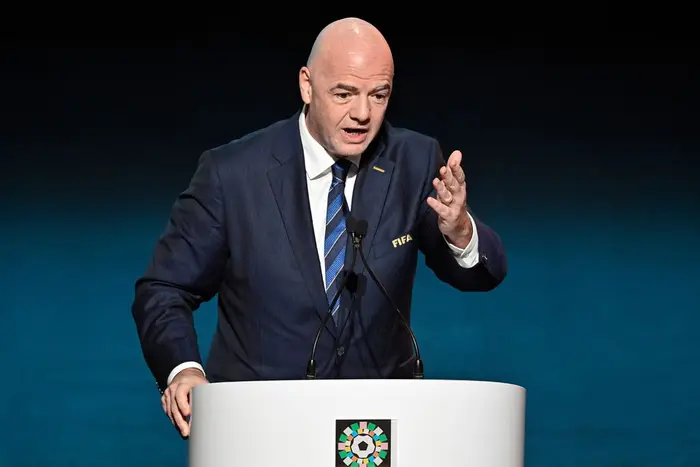
FIFA is currently facing significant scrutiny as reports emerge of prolonged payment delays for fans using the official 2026 World Cup ticket resale platform.
Despite the tournament promising to be a historic celebration of football across North America, the administrative mechanics behind the scenes have left many supporters in a state of financial limbo.
According to The Athletic, official marketplace, designed to provide a secure environment for fans to trade tickets, is now at the center of a growing controversy regarding transparency and adherence to legal timelines.
Why Is the 60-Day Payment Deadline Being Missed?
Central to the frustration is a specific clause in the FIFA Ticket Transfer and Resale Terms. The document stipulates that once a resale purchaser completes their payment, the organization is obligated to pay the original seller within 60 calendar days. For many fans, this deadline has come and gone without any sign of their funds. In some instances, sellers have reported waiting over 130 days, more than double the promised timeframe. These are not small sums, as many transactions involve thousands of dollars. For the common fan, these funds are often intended to subsidize their own travel, accommodation, or the purchase of tickets for different matches. When the money is withheld, it creates a domino effect of financial strain that impacts the entire tournament experience.
What Technical Glitches Are Causing Inconsistent Communication?
The process of receiving payment appears to be fraught with inconsistency. According to reports from The Athletic, some fans have experienced a split in their experience where some batches of tickets are refunded directly to the original credit card almost immediately, while others are caught in a manual loop. In these cases, the same fans are told their cards cannot be refunded and are prompted to provide bank account and routing numbers. Once banking information is provided, many users enter a cycle of automated customer service responses promising updates within five to seven working days,updates that frequently never arrive.
FIFA has defended these delays by citing complex cases that require additional review for security and compliance. They specifically pointed to anti-money laundering requirements and card scheme rules, noting that if a resale amount exceeds the original purchase price, the balance often cannot be pushed back to the initial card. However, for fans who have provided all requested documentation, these explanations offer little comfort as the months pass.
How Do These Delays Affect Individual Supporters Financially?
The human element of these delays is profound. Consider the case of Robert Rodriguez, a longtime supporter who has attended multiple World Cups. He sold tickets for a match between the Netherlands and Japan, hoping to use those funds to buy tickets for Argentina. Because FIFA did not release his money on time, he was forced to up-front another $1,600 out of pocket to ensure he did not miss out on seeing his team. Similarly, Matthew Elias of Toronto found himself in a position where he owed money to friends who had gone in on tickets with him. When the governing body of the world’s most popular sport fails to meet its own deadlines, it places a burden of debt and stress on individual fans who do not have the liquid capital of a multi-billion-dollar organization.
Is There Transparency Regarding Interest on Withheld Funds?
A lingering point of contention is what happens to the money while it sits in FIFA’s accounts. On every resale, FIFA takes a 15% cut from both the buyer and the seller. While the money is being processed, it is presumably held in accounts where it could accrue interest. When questioned about this, FIFA remained firm, stating that resellers are not entitled to any interest or earnings on funds held prior to payment. While FIFA emphasizes its status as a non-profit that reinvests revenue into global soccer development, fans argue that the current ticketing saga is souring the experience for the very people the sport is meant to serve.
Can FIFA Fix the Pattern of Administrative Friction?
This is not the first time World Cup ticketing has come under fire, but the scale of the 2026 tournament,spanning three countries,magnifies every error.
The official resale platform was marketed as a way to regulate the market and ensure fair pricing. While it has succeeded in keeping some prices regulated, the administrative failures are driving fans toward third-party entities like the Better Business Bureau and the Federal Trade Commission to seek recourse.
As the tournament approaches, the excitement for the beautiful game is being overshadowed for some by a bad taste left by bureaucratic hurdles. For a governing body that prides itself on accuracy, security, and compliance, the primary goal moving forward must be rebuilding trust with the fans who are the heartbeat of the World Cup.