
FKF, Ministry of Sports Counter Growing Claims of Funding Suspensions

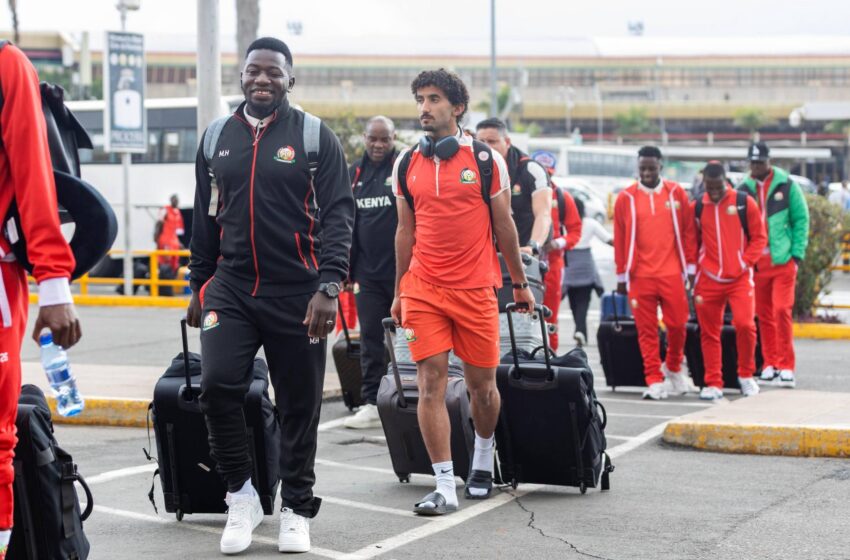
Strategic governance frameworks within regional athletic administrations frequently experience public scrutiny when operational disruptions intersect with broader discussions on capital allocation. A recent logistical challenge involving the senior men’s national football team, Harambee Stars, during an international assignment in Pretoria, South Africa, highlights the complex operational realities of managing elite sports delegations.
Initial field dispatches indicated that players initially rejected their primary accommodation booking, characterizing the facility as below the standard required for a national squad. This on-the-ground friction quickly escalated into a wider conversation regarding institutional funding channels and administrative accountability between regulatory bodies.
Administrative leaders at the Football Kenya Federation (FKF) responded to the immediate accommodation challenge by securing an alternative venue, though subsequent disagreements regarding immediate payment terms briefly prolonged the team’s check-in process. Simultaneously, the federation issued a formal statement to address and firmly deny public reports alleging that the Ministry of Sports had suspended financial disbursements to the organization. Managing multi-layered operational crises requires a balance between rapid on-site logistics management and clear corporate communications to protect institutional relationships and maintain public trust.
The Mechanics of Sports Delegation Logistics and Team Welfare Protocols
Coordinating international travel, accommodation, and training facilities for high-profile sports delegations requires precise operational planning and strict adherence to elite athletic standards. When primary facility arrangements fall short of player expectations, the resulting adjustments can disrupt critical preparation schedules before international fixtures.
-
Accommodation Metric Standards must fulfill strict comfort, security, and dietary criteria to ensure athletes maintain optimal physical condition before competitive assignments.
-
Immediate Contingency Liquidity allows accompanying team managers to quickly resolve localized payment disputes with foreign vendors without risking prolonged delays.
-
Training Schedule Preservation remains the primary focus during travel disruptions, ensuring physical preparation on the pitch resumes quickly once accommodation logistics are settled.
Resolving administrative and financial standoffs quickly is essential to protecting player welfare, enabling the squad and technical bench to focus fully on upcoming competitive matches.
Read Also: Top Comoros Official Hospitalized in Nairobi Amid Rising Tensions in Moroni
Institutional Communication Frameworks and Regulatory Alignment
Managing institutional communications during public logistical challenges requires close alignment between sports governing bodies and state oversight ministries. Speculative commentary regarding funding suspensions can complicate commercial partnerships and undermine fan confidence if left unaddressed.
Deploying verified institutional updates helps distinguish temporary operational challenges from broader structural adjustments. In this instance, clear public statements from the federation, backed by clarifications from Ministry of Sports leadership, helped address funding rumors. This coordinated response allowed the organization to shift public attention back to long-term athletic development and tournament preparation.
Read Also: Lesotho vs Kenya Preview, Prediction, Team News and Head-to-Head
Portfolio of Athletic Administration Risk Vectors and Revenue Dynamics
Maintaining organizational stability during international tours involves managing multiple operational, financial, and reputational risk factors across the sports ecosystem. The matrix below outlines the primary administrative challenges faced during high-profile national team assignments.
| Governance Sector Profile | Primary Operational Risks | Downstream Administrative Impacts | Strategic Intervenient Protocols |
| Logistics & Procurement | Substandard facility selections and localized vendor payment disputes | Disrupted preparation windows and increased emergency expenditure | Pre-vetted hospitality registers and standardized digital escrow accounts |
| Financial Governance | Public funding anxieties and delayed subvention disbursements | Extended regulatory audits and strained relationships with corporate sponsors | Automated expenditure tracking and transparent quarterly financial reporting |
| Public Relations | Proliferation of unverified reports and erosion of stakeholder trust | Heightened media scrutiny and distractions for the technical bench | Real-time digital media briefings and unified press release channels |
Macroeconomic Realities of State Funding and Sports Monetization
Managing national athletic programs within emerging economies requires balancing state subventions with independent commercial revenue streams. Relying heavily on public financing exposes sports federations to shifting state priorities and rigorous government accounting timelines.
Developing diversified income streams—such as international broadcasting rights, multi-year corporate kit sponsorships, and structured youth academy licensing—helps protect national teams from unexpected cash flow challenges. When sports organizations build independent financial reserves, they can easily manage international travel requirements without experiencing operational delays in foreign jurisdictions.
-
Corporate Partnership Expansion secures multi-year sponsorship commitments dedicated specifically to national team travel and preparation budgets.
-
Broadcast Rights Syndication generates consistent commercial revenue by licensing international friendly and qualification matches to global digital platforms.
-
Structured Compliance Audits ensure rapid clearance of state financial returns, maintaining a smooth pipeline for government sports fund disbursements.
Long-Term Outlook for Regional Sports Development and Governance
The future stability of regional football infrastructure depends on moving past reactive crisis management toward proactive, system-driven logistics and financial planning. Establishing clear, pre-financed operational templates ensures that national teams can execute international assignments smoothly without facing public logistical hurdles.
Read Also: Rio Ferdinand To Open International Doors For Arusha Through AFCON 2027
Utilizing professional travel management networks and automated procurement systems protects the welfare of elite athletes while maintaining corporate partner confidence across the sports market. Athletic systems that prioritize open administrative processes, modern infrastructure investment, and diverse financing models are best positioned to build competitive national programs. This organized management style ultimately strengthens the country’s sports industry ahead of major continental tournaments.