
Iran War: Why Shell Profits Surged to $6.92bn Despite Major Global Supply Disruptions

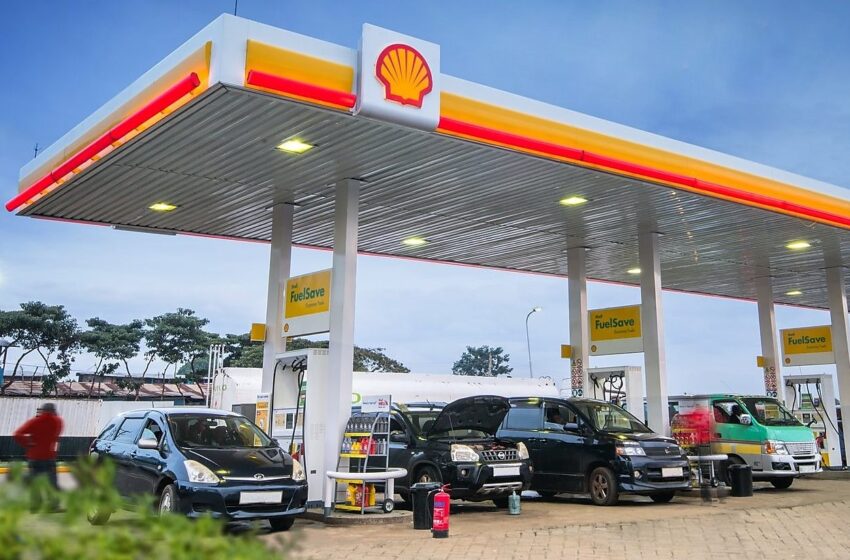
Shell has managed to navigate the extreme volatility of a global energy crisis to report first-quarter profits of $6.92bn (£5.1bn), surpassing market expectations and marking a significant increase from the $5.58bn recorded during the same period last year.
According to BBC, this financial milestone comes as the energy landscape is fundamentally reshaped by the US-Israel war with Iran, a conflict that has sent shockwaves through the global supply chain and fundamentally altered the economics of fossil fuel extraction and trade.
The Strait of Hormuz Bottleneck
The primary driver behind this profit surge is the dramatic escalation in oil prices linked to the closure of the Strait of Hormuz. Traditionally, this narrow waterway carries approximately 20% of the world’s oil and liquefied natural gas (LNG) supplies. Its effective shutdown has triggered a scarcity premium, driving Brent crude prices from a pre-war baseline of around $73 per barrel to peaks exceeding $120.
The company’s trading arm thrived on the widened “spread” between buying and selling prices created by the conflict’s uncertainty. As speculation swirled regarding when the Strait might reopen, the resulting price volatility allowed traders to capitalize on market inefficiencies. This “relentless focus on operational performance,” as Chief Executive Wael Sawan described it, enabled the firm to extract value even as its physical output faced significant challenges.
Supply Disruptions and Refining Margins
While the financial headlines are dominated by profit growth, the operational reality on the ground is more complex. The company reported a 4% decline in oil and gas output compared to the final quarter of the previous year. This dip is a direct consequence of the conflict, LNG production in Qatar has been paralyzed since March, and the Pearl GTL site has sustained damage from attacks.
However, these losses in volume were more than offset by higher margins in the refining business. As global demand for finished products like petrol and jet fuel remained steady despite the chaos, the increased margins, the difference between the price of crude oil and the finished products, bolstered the bottom line.
Strategic Acquisitions and Market Expansion
Despite the regional instability, the energy giant is aggressively positioning itself for a long-term future. The recent $16.4bn acquisition of Canadian shale producer ARC Resources signals a pivot toward more secure assets. This move is designed to diversify the portfolio away from high-risk geopolitical zones, ensuring the company can continue to deliver value for decades to come. This strategy mirrors moves by rivals like BP and Norway’s Equinor, both of which have reported bumper results as they balance immediate war-driven gains with long-term infrastructure investment.
The Climate and Windfall Tax Debate
The scale of these profits has not gone unnoticed by climate advocates and policymakers. Environmental groups have criticized the disparity between corporate earnings and the financial strain on households facing rising energy bills. In the UK, this has reignited calls for a strengthened “windfall tax”.
Despite the Energy Profits Levy existing, its impact on the firm is limited, given that the UK accounts for less than 5% of its global production.
Most earnings are generated overseas, far beyond the reach of British domestic taxation. As we look toward July, British consumers are bracing for an estimated £200 rise in the energy price cap. The disconnect between record-breaking corporate results and the rising cost of living continues to fuel a heated debate over the ethics of energy profiteering during times of war.

