
Jeremy Doku Dilemma: How Belgium Can Manage Squad Depth if Star Asset Departs

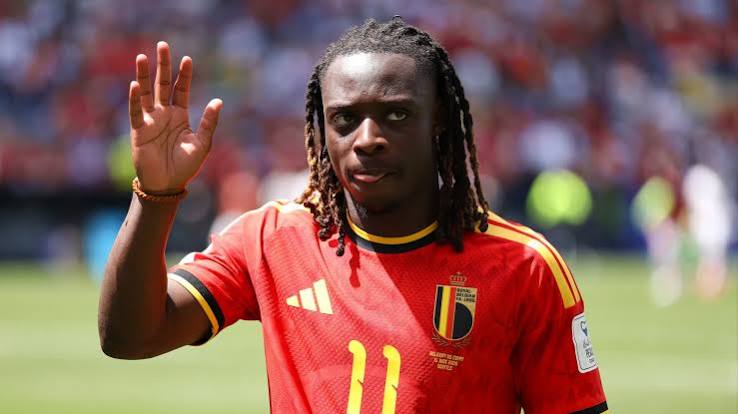
Debate surrounding Jeremy Doku’s intention to leave Belgium’s World Cup camp for the birth of his first child has evolved far beyond football. It highlights a broader conversation about modern fatherhood, workplace expectations, and the balance between professional obligations and personal milestones.
At first glance, the issue appears straightforward: a player competing on the world’s biggest stage wants to be present for the birth of his child. Yet, reactions from commentators and fans reveal a deep divide over what society expects from elite athletes, and whether family responsibilities should ever take precedence over international competition. Rather than being a controversy confined to sport, Doku’s situation reflects changing attitudes toward parenthood, employee rights, and work-life balance in high-pressure careers.
Also Read: Commonwealth Games 2026: Kenya Athletics Squad Analysis and Medal Prospects
Why Doku’s Decision Resonates Beyond Sport
Professional footballers operate under extraordinary expectations. Clubs and national teams invest millions in player development and demand total commitment during tournaments. However, athletes are also individuals with families, relationships, and responsibilities outside the game.
For Doku, the impending birth of his first child represents a once-in-a-lifetime event. While another World Cup could be possible in the future, there is only one opportunity to witness the arrival of a firstborn. That reality explains why many supporters view his decision as understandable rather than controversial.
The Evolution of Modern Fatherhood
Over the past two decades, attitudes toward fathers have shifted significantly. Historically, childbirth was often viewed primarily as an event involving mothers and medical professionals, with fathers playing a limited role. Today, many families see childbirth as a shared experience where emotional support, decision-making, and early bonding are equally important.
This societal evolution has influenced workplace policies globally, with many employers expanding paternity leave and encouraging fathers to participate actively in early childcare. Doku’s stance aligns with these broader cultural changes rather than representing an unusual personal preference.
Comparing Competing Priorities
| Consideration | Staying With Belgium | Attending Childbirth |
| Professional Duty | Supports national team ambitions | Temporary absence from squad |
| Personal Milestone | Misses critical family event | Witnesses birth of first child |
| Public Perception | Demonstrates sporting commitment | Emphasizes core family values |
| Long-Term Memory | Tournament achievement | Irreplaceable life experience |
The Ethical Dilemma of Elite Performance
Unlike employees in many professions, elite footballers perform under global scrutiny. Every personal decision can become headline news, especially during tournaments where national pride is on the line.
Fans often expect complete dedication because players represent their country. Yet, expecting athletes to suspend family life entirely creates difficult ethical questions:
-
Should sporting success always outweigh deeply personal events?
-
Should players retain autonomy over life-changing family moments?
The answers vary depending on cultural values and individual perspectives.
Public Criticism and Generational Gaps
Some criticism directed at Doku argued that a World Cup opportunity is too significant to interrupt under any circumstances. This reasoning is understandable from a purely sporting standpoint. International tournaments occur infrequently, and many talented players never experience one.
However, comments suggesting fathers play little or no meaningful role during childbirth generated widespread disagreement. The backlash demonstrated how expectations around fatherhood continue to evolve across different societies, pushing past traditional financial provider roles.
Modern Parenting Demands Presence: Contemporary research and social trends increasingly emphasize active parental involvement from birth. For many families, being physically present during labor, medical decisions, and early bonding is viewed as an essential expression of commitment rather than a symbolic gesture.
Structural Changes: Football and Beyond
Professional sport has gradually become more flexible regarding major life events. Many clubs now permit players temporary leave for weddings, bereavements, or childbirth when scheduling allows. While competitive priorities remain important, organizations increasingly recognize that supporting players’ personal wellbeing can strengthen long-term performance and morale.
The Psychological Edge
Athletes perform best when mentally focused. If Doku were forced to remain at the tournament while worrying about missing his child’s birth, his concentration could suffer. Conversely, attending the birth and returning with peace of mind might benefit both player and team. Mental wellbeing is an increasingly recognized component of elite performance; ignoring significant personal events does not automatically produce better competitive outcomes.
Belgium’s Roster Management
National teams prepare contingency plans for injuries, suspensions, and unforeseen absences throughout major tournaments. If Doku is unavailable briefly because of family commitments, Belgium will likely rely on squad depth and tactical adjustments rather than abandon its competitive objectives. The situation becomes an exercise in roster management as much as personal choice.
Changing Cultural Norms
| Traditional View | Modern View |
| Team commitments come first | Family and career deserve balance |
| Fathers have a limited childbirth role | Fathers provide vital emotional and practical support |
| Missing competition is unacceptable | Exceptional life events justify flexibility |
| Professional success outweighs milestones | Long-term wellbeing matters alongside performance |
Organizations outside of sports increasingly recognize that employees who feel supported during major life events demonstrate stronger loyalty, wellbeing, and long-term productivity. Flexible leave policies for childbirth have become standard practice in many sectors because businesses acknowledge that personal milestones contribute to overall employee satisfaction. The football industry may continue evolving in the same direction.
Looking Ahead
If Belgium progresses deep into the tournament while Doku faces a decision about attending his child’s birth, his choice will continue attracting public attention. Regardless of the outcome, the discussion has already prompted reflection about how athletes should navigate competing obligations. Future tournaments may encourage federations to establish clearer policies addressing childbirth, paternity leave, and other significant family events.
Also Read: Rio Ferdinand To Open International Doors For Arusha Through AFCON 2027
Jeremy Doku’s World Cup dilemma illustrates a broader shift in how society views success and responsibility. While representing one’s country remains an extraordinary honor, witnessing the birth of a first child is an equally profound life event that cannot be repeated. The debate is less about choosing football over family and more about recognizing that elite athletes, despite competing on the biggest stages, continue to face the same deeply personal decisions as millions of people around the world.