KeNHA vs NLC: What Delayed the Sh4.3B Payout for Mombasa–Mtwapa–Kilifi Road Expansion?

default
Kenya National Highways Authority (KeNHA) has finally unlocked Sh4.3 billion from the Fuel Levy Securitization Fund, handing it over to the National Land Commission (NLC).
The pivotal release is aimed at compensating Project Affected Persons (PAPs) under the Sh15 billion Multinational Bagamoyo–Tanga–Horohoro/Lunga Lunga–Malindi Road Project.
Although the financial injection marks a major turning point for the cross-border corridor, it comes after prolonged delays that left heavy machinery idling and contractors facing severe bottlenecks. Understanding the roadblocks that stalled these billions offers crucial insight into the complexities of Kenyan infrastructure development.
What Delayed the Release of the Compensation Billions?
The primary catalyst behind the funding logjam was an intricate web of land acquisition challenges, valuation bottlenecks, and legislative shifts. Although the project commenced in 2021 with backing from the African Development Bank, the European Union, and the Government of Kenya, work ground to a near-halt in heavily urbanized zones like Mtwapa.
Before KeNHA could disburse the billions, the NLC had to execute exhaustive, verifiable valuations of thousands of commercial and residential properties lining the right-of-way. This process was repeatedly slowed down by property ownership disputes, illegal encroachment on road reserves, and the complex task of auditing informal traders who required relocation packages.
Simultaneously, the source of the funds itself underwent a structural transformation. The government shifted from a traditional “pay-as-you-go” fuel levy system to a securitization model—converting future fuel levy revenues into immediate cash through syndicated loans to bridge massive infrastructure deficits. Navigating this fiscal transition, alongside ongoing national legislative friction regarding how fuel levy allocations are split between national trunk roads and county governments, created prolonged administrative queues that kept the Sh4.3 billion locked up at the Treasury level until legal and procedural compliance was fully met.
How Did Land Disputes Stall the Mtwapa-Kilifi Section?
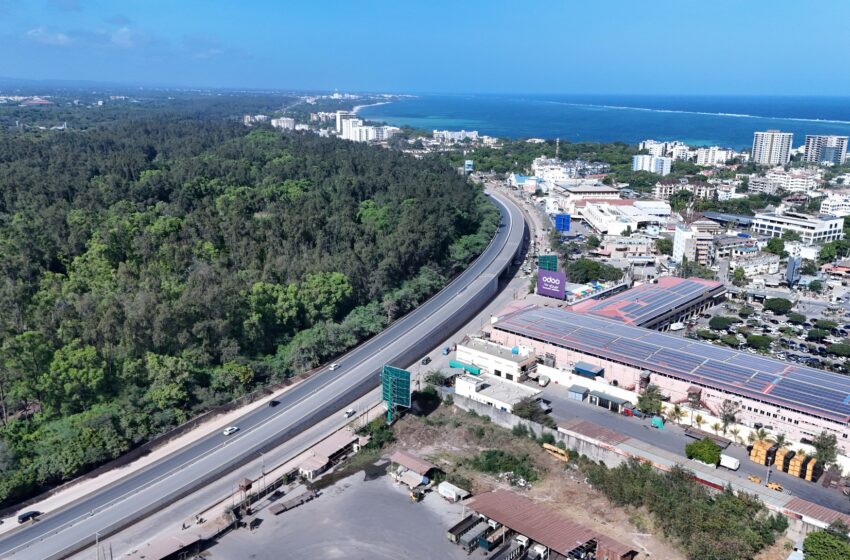
The 54-kilometre Kenyan segment of the corridor is split into two distinct phases. Lot 1 covers the Nyali Bridge to Mtwapa Bridge section, which is currently 56 percent complete and faces an expected completion date of August 2027. This segment features extensive urban engineering, including a four-lane dual carriageway, six grade-separated junctions, six footbridges, and a vital 12-kilometre trunk drainage system designed to eliminate historical flooding vulnerabilities around Mombasa.
Lot 2 covers the Mtwapa to Kwa Kadzengo to Kilifi section, which has advanced faster at 75 percent completion and is slated for completion in March 2027. While the rural, less densely populated stretches of Lot 2 progressed steadily, the highly commercialized Mtwapa urban center became a critical roadblock. To expand the existing route into a modern dual-carriageway with integrated service lanes, the right-of-way had to be significantly widened. This necessitated the demolition of existing permanent buildings and the displacement of established markets. Contractors could not move forward without risking severe legal liability or human rights violations, leading to a standstill while waiting for the NLC to finalize individual compensation packages.
What Infrastructure Upgrades Will This Funding Now Accelerate?
Now that the Sh4.3 billion has been transferred to the NLC, structural roadblocks are rapidly dissolving. The capital allows the commission to finalize the remaining payout claims, empowering property owners to salvage building materials and voluntarily vacate the corridor under structured notices.
The immediate focus is the completion of the 347-metre dual-carriageway bridge at Shimo la Tewa Creek in Mtwapa, which is currently 47 percent complete and will replace the outdated single-carriageway bridge. By resolving the financial impasse, the project is back on a firm trajectory toward its revised completion dates, ultimately unlocking seamless trade, tourism, and regional connectivity across the East African coast.