
Kenya Finance Bill Economic Impact: The Gen Z Protest Legacy

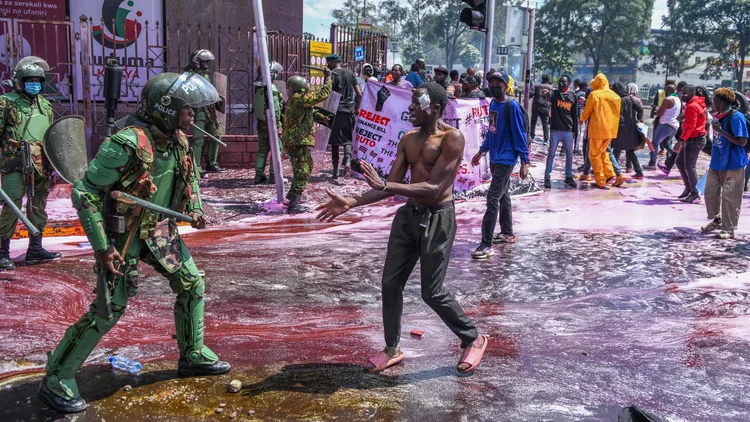
The dramatic return of a key Gen Z protester who occupied Parliament in June 2024 highlights lingering political and economic tensions in Kenya. A specific individual spent nearly two years in hiding following the historic breach of the National Assembly and has publicly resurfaced to demand a return to normal life. Reappearance forces a fresh examination of the governance crisis that pushed young Kenyans to the brink.
Demonstrations were sparked by a massive wave of public anger against fiscal policies that citizens felt were deeply unfair. Young people took to the streets to protest a legislative framework that promised to increase the cost of basic commodities. The movement eventually led to unprecedented scenes inside the halls of legislature.
Kenya Finance Bill 2024 Taxation Crisis
The Finance Bill 2024 served as the ultimate flashpoint for a population already struggling under a severe cost-of-living crisis. The Kenya Kwanza administration introduced aggressive revenue-raising measures designed to slash public debt and fund the national budget. However, targeted tax proposals hit essential goods and services, directly affecting the pockets of ordinary citizens.
|
Tax Proposal |
Targeted Sector |
Public Economic Impact |
|
Eco Levy |
Manufactured goods and plastics |
Increased cost of electronics and diapers |
|
Bread VAT |
Basic food production |
Higher breakfast costs for low-income families |
|
Motor Vehicle Tax |
Transport sector |
Surge in public commuter fares and logistics |
Protesters argued that the government prioritized international debt obligations over the immediate survival of youth. The legislative process became a battleground, with lawmakers accused of ignoring public participation memoranda. When standard political channels failed, youth turned to digital mobilization and street action.
Gen Z Political Mobilization Nairobi
The organization of protests marked a fundamental shift in how political dissent occurs in East Africa. Activists bypassed traditional opposition parties and tribal alignments, utilizing decentralized digital networks to coordinate logistics. Platforms like X, TikTok, and encrypted messaging apps allowed for rapid, real-time strategy adjustments during street campaigns.
A leaderless, tribal-blind structure deeply confused state security apparatuses accustomed to negotiating with specific political figures. Digital coordination enabled widespread solidarity across different social strata in Nairobi and other major towns. The ultimate climax of mobilization saw thousands breach heavy security perimeters to enter legislative buildings.
Parliament Breach Legal Implications Kenya
Entering a state installation like Parliament carrying political grievances carries severe legal consequences under Kenyan law. The state initially characterized the actions of demonstrators as treasonous acts of destruction. Investigations launched immediately after the incident forced several prominent figures into underground hiding to evade state crackdowns.
Rights of Accused Protestors
The constitution guarantees the right to a fair trial and legal representation for all citizens facing state charges. High-profile politicians stepped forward to offer pro bono legal defense services to returning activists. The defense strategy focuses heavily on the socio-economic frustrations that drove youth to extreme measures.
State Security Overreach Arguments
Human rights organizations continue to compile dossiers detailing excessive force by security agencies during the unrest. Allegations of unlawful detentions, abductions, and excessive force remain central to the ongoing national debate. Legal battles ahead will likely test the independence of the judiciary regarding political expression.
Kenya Kwanza Economic Policy Reforms
Following the withdrawal of the controversial legislation, the government had to re-evaluate fiscal strategies completely. The administration faced a widening budget deficit that threatened standing with international financial institutions. Balancing the demands of foreign creditors against domestic political stability remains a delicate task.
|
Economic Strategy |
Intended Policy Goal |
Public Response |
|
Budget Austerity |
Reduce government expenditure |
Skepticism over continued high official lifestyles |
|
Enhanced Tax Compliance |
Expand the existing tax base |
Complaints of commercial harassment by regulators |
|
External Refinancing |
Manage Eurobond debt maturities |
Relief over currency stability benefits |
The administration has since attempted to introduce more targeted revenue measures keeping an eye on public sentiment. However, high unemployment levels among university graduates continue to fuel underlying resentment. True economic transformation requires addressing structural corruption alongside revenue generation.
Youth Unemployment Governance Kenya
The core driver of political unrest remains the lack of sustainable economic opportunities for the younger generation. Kenya produces thousands of skilled graduates annually who enter a stagnant formal job market. A discrepancy creates a highly educated but economically marginalized demographic with nothing to lose.
|
Structural Challenge |
Impact on Youth |
Proposed Resolution |
|
Formal Job Scarcity |
High underemployment rates |
Digital economy scaling and global freelancing |
|
High Business Tariffs |
Failure of small startup enterprises |
Tax holidays for youth micro-enterprises |
|
Skill Mismatch |
Disconnect from current market demands |
Technical and vocational curriculum overhaul |
True stability will elude the governance framework until structural economic changes prioritize job creation. The return of prominent protesters serves as a stark reminder that the grievances of 2024 are far from resolved. Policymakers must focus on building an inclusive economy to prevent future governance crises.