
Kenya Moves to Expand Cancer Treatment as Government Explores Access to New Therapy

IMAGES/MOH
Kenya is seeking to strengthen its response to the growing burden of cancer through a new partnership with global pharmaceutical company Merck Sharp & Dohme (MSD), with the government targeting improvements in prevention, early diagnosis, treatment and access to innovative medicines.
The discussions come at a time when cancer continues to rank among the country’s leading non-communicable diseases, claiming thousands of lives every year. Health officials estimate that nearly 44,000 new cancer cases are diagnosed annually, with many patients seeking treatment only after the disease has reached advanced stages.
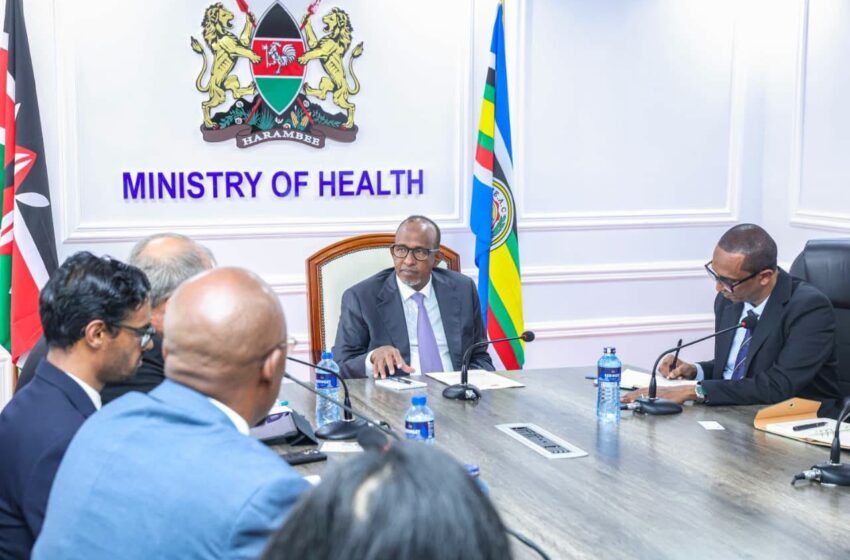
Health Cabinet Secretary Aden Duale on Monday met senior executives from MSD in Nairobi as part of efforts to deepen collaboration aimed at strengthening Kenya’s cancer care programme and accelerating progress towards Universal Health Coverage.
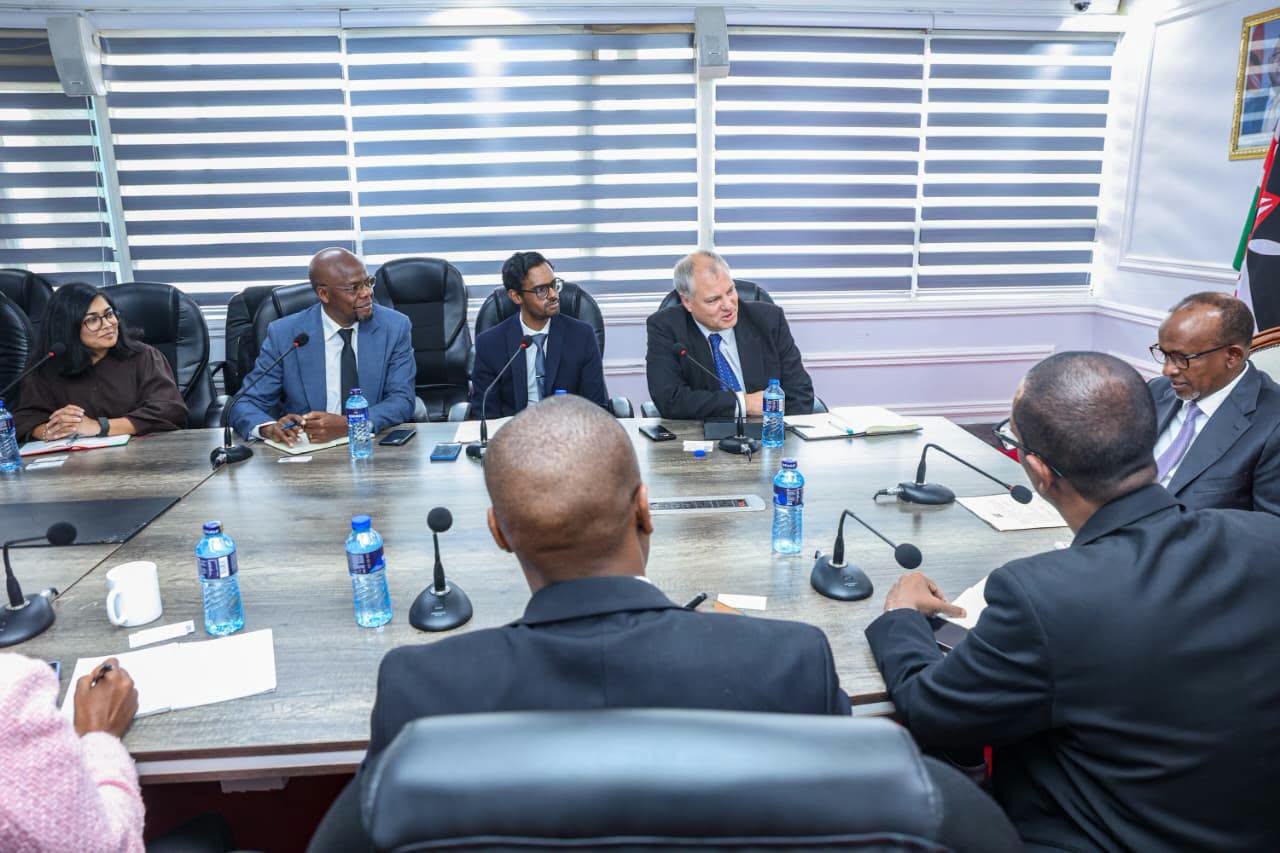
“We held a consultative meeting with senior leadership from Merck Sharp & Dohme (MSD), led by Business Unit Director for Sub-Saharan Africa, Andrie Vorster, to explore opportunities for deepening our partnership in advancing Kenya’s cancer prevention, diagnosis and treatment agenda,” Duale said in a statement.
The meeting brought together senior officials from the Ministry of Health and key institutions involved in cancer prevention and control, including the National Cancer Institute of Kenya and the National Cancer Control Programme.
Follow Kenya Frontline X account for more updates.
Among those present were National Cancer Institute of Kenya Chief Executive Officer Dr Elias Melly, Director of Health Sector Coordination Dr Omar Albush, National Cancer Control Programme Head Dr Joan-Paula Bor and Dr Wesley Mugambi from the National Immunisation Programme.
Early Detection Key to Reducing Cancer Deaths
Cancer has become one of Kenya’s most pressing public health challenges, with breast, cervical, prostate, oesophageal and colorectal cancers accounting for a significant proportion of new diagnoses every year.
Medical experts have consistently warned that delayed diagnosis remains one of the biggest reasons many patients fail to survive the disease. Limited awareness, inadequate screening services and the high cost of healthcare mean thousands of Kenyans are diagnosed only after cancer has spread, making treatment more difficult and expensive.
Over the past few years, the government has expanded specialised oncology services beyond Nairobi, established regional cancer centres and stepped up public awareness campaigns encouraging routine screening.
Officials believe prevention and early diagnosis remain the country’s most effective weapons in reducing cancer-related deaths.
“Our discussions focused on expanding HPV vaccination, strengthening early detection through mobile screening and enhanced diagnostics, building local capacity, and supporting research and technology transfer to improve patient outcomes,” Duale said in the statement.
Expansion of the Human Papillomavirus (HPV) vaccination programme formed a key part of the discussions. The vaccine is considered one of the most effective interventions in preventing cervical cancer, which remains one of the leading causes of cancer deaths among women in Kenya.
The meeting also explored ways of increasing mobile screening programmes to reach communities where specialised healthcare services remain limited.
Government officials believe expanding access to diagnostic equipment and strengthening laboratory capacity will help identify cancer cases earlier, when treatment is more effective and less costly.
Building local expertise also featured prominently during the discussions, with the Ministry of Health exploring opportunities for research collaboration, technology transfer and training for healthcare professionals.
Expanding Access to Modern Cancer Treatment
Treatment remains one of the greatest challenges facing cancer patients across Kenya.
Although specialised cancer services have become more widely available in recent years, the cost of treatment continues to place enormous pressure on many households. Chemotherapy, radiotherapy and targeted therapies remain unaffordable for many patients, forcing families to rely on fundraising efforts or discontinue treatment altogether.
Increasing access to innovative medicines therefore formed another major focus of the discussions between the government and MSD.
“We also explored pathways to increase access to innovative cancer therapies, including access to Keytruda (pembrolizumab), an immunotherapy that has transformed the treatment of several cancers globally, while ensuring affordability within the public healthcare system,” Duale said.
Keytruda is an immunotherapy medicine used to treat several forms of cancer by helping the body’s immune system recognise and attack cancer cells. The treatment has improved outcomes for many patients worldwide and is increasingly regarded as one of the major advances in modern cancer care.
Government officials acknowledged, however, that introducing advanced medicines alone will not solve Kenya’s cancer burden unless they are made affordable and accessible through the public healthcare system.
The Ministry of Health says ongoing reforms under the Bottom-Up Economic Transformation Agenda (BETA) and the Social Health Authority (SHA) are intended to strengthen access to comprehensive healthcare, including specialised cancer services.
“Through the Bottom-Up Economic Transformation Agenda (BETA) and the Social Health Authority (SHA), the Government remains committed to strengthening comprehensive cancer care and accelerating progress towards Universal Health Coverage (UHC),” Duale said.
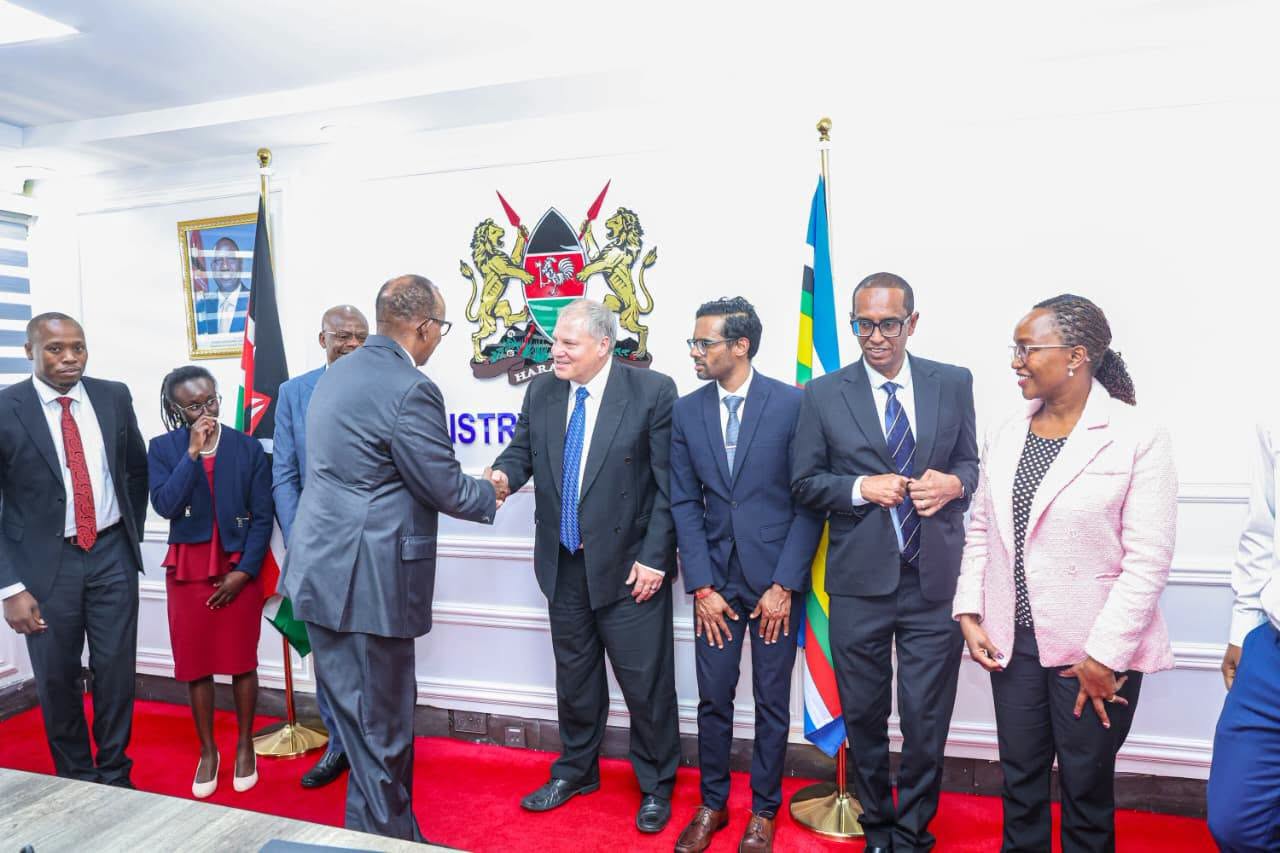
The Cabinet Secretary added that the meeting reaffirmed a shared commitment between the government and MSD to invest in innovation, strategic partnerships and sustainable healthcare solutions capable of improving outcomes for cancer patients across the country.
“Collectively, we reaffirmed our shared commitment to leveraging innovation, strategic partnerships and sustainable investments to build a stronger, more accessible and people-centred cancer care system for all Kenyans,” he said.
The partnership comes at a time when demand for cancer services continues to rise, increasing pressure on health facilities and highlighting the need for additional investment in infrastructure, specialised personnel and medical technology.
Health experts have repeatedly emphasised that reducing the cancer burden will require a combination of stronger prevention programmes, wider screening, earlier diagnosis, timely treatment and sustained public education.
Expansion of county cancer centres has already improved access to treatment for many patients who previously travelled long distances to Nairobi for specialised care. Even so, gaps remain in staffing, diagnostic equipment and access to modern medicines, particularly in remote parts of the country.
Officials hope collaboration with international pharmaceutical companies will help bridge some of those gaps by supporting research, strengthening local capacity and expanding access to innovative therapies.


1 Comment
Health is key to a nations growth… Cancer treatment has become a burden to many