Kenya Social Media Crackdown Signals Tougher Digital Enforcement

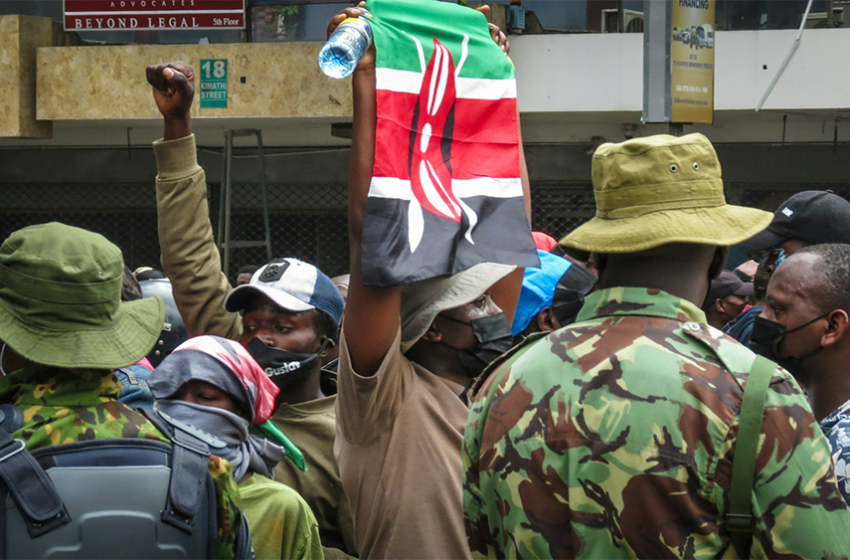
Photo: Agencies
Kenya is witnessing an increasingly aggressive approach toward regulating online speech as authorities intensify enforcement against alleged hate speech and incitement on social media platforms.
Over the past few weeks, several individuals have been arrested or charged over controversial online posts, highlighting a broader shift in how the government is policing digital spaces ahead of a politically sensitive period.
The latest developments arrive as the country prepares for another heated election cycle, with political tensions already rising. Government agencies argue that stricter enforcement is necessary to prevent ethnic violence and protect national cohesion.
However, civil society organizations, digital rights campaigners, and constitutional lawyers fear the renewed crackdown could gradually blur the line between protecting public order and restricting legitimate political expression.
“The challenge for Kenya is finding the balance between protecting public safety and safeguarding constitutional freedoms,” says political analyst and governance expert Prof. Macharia Munene.
“Governments have a legitimate duty to prevent incitement to violence, but enforcement must be consistent, transparent and never become a tool for silencing legitimate political criticism. Otherwise, public confidence in democratic institutions begins to erode.”
The debate is rapidly becoming one of Kenya’s most significant governance issues.
Recent Arrests Reflect Expanded Online Monitoring
Authorities have recently pursued legal action against several individuals accused of publishing inflammatory content across various social media platforms.
Among those facing prosecution is a youthful politician from Garissa County who was charged over an earlier viral video allegedly encouraging attacks against non-native communities. She denied all accusations before court.
In another case, a former Catholic priest from Kiambu was arrested following Facebook posts allegedly encouraging continued anti-government demonstrations and calling for the removal of President William Ruto’s administration.
Meanwhile, police in Mombasa detained another individual over online comments considered ethnically insensitive following a tragic school dormitory fire that claimed numerous student lives.
Together, these cases suggest Kenyan authorities are widening surveillance of online political discourse rather than focusing solely on traditional hate speech cases.
Why Kenya Takes Hate Speech Seriously
Kenya’s strict approach to hate speech cannot be understood without revisiting one of the darkest chapters in the country’s modern history.
Following the disputed 2007 presidential election, widespread ethnic violence swept across multiple regions. More than a thousand people lost their lives while hundreds of thousands were displaced.
Investigations later concluded that inflammatory political rhetoric, ethnic mobilisation, irresponsible media reporting, and community-based propaganda significantly worsened the violence.
Those findings ultimately shaped today’s legal framework governing hate speech.
Evolution of Kenya Hate Speech Laws
The government subsequently introduced stronger legislation designed to discourage ethnic incitement and politically motivated violence.
The establishment of the National Cohesion and Integration Commission marked one of the country’s most significant institutional reforms aimed at promoting peaceful coexistence among communities.
Over time, additional legal provisions addressing cybercrime and online communication expanded the government’s ability to investigate digital content considered dangerous to public order.
Yet critics argue that technology has evolved much faster than legislation, creating uncertainty over where legitimate criticism ends and criminal liability begins.
Timeline of Kenya Digital Speech Policy
| Period | Major Development | Impact |
|---|---|---|
| 2008 | Post-election reforms begin | Focus on preventing ethnic violence |
| Following years | National Cohesion institutions strengthened | Greater monitoring of hate speech |
| Cyber era | Computer Misuse and Cybercrimes laws introduced | Expanded oversight of digital communication |
| Recent court ruling | Some cybercrime provisions declared unconstitutional | Stronger constitutional protection for free speech |
| Current period | Increased arrests using hate speech laws | Renewed national debate over online freedoms |
Digital Rights Versus Public Safety
The central question now confronting Kenya is whether stronger online regulation can coexist with constitutional freedoms.
Government agencies maintain that online misinformation and ethnic incitement spread much faster than traditional media, making early intervention essential.
Digital rights advocates, however, caution that vague legal definitions create opportunities for selective enforcement.
The concern becomes even greater during politically charged periods when criticism of public officials naturally increases.
Maintaining public safety while protecting democratic freedoms remains one of Kenya’s most delicate balancing acts.
Political Tensions Ahead of Elections
Political temperatures are already rising well before the next General Election.
The National Cohesion and Integration Commission has publicly warned about increasing political intolerance, divisive rhetoric, and inflammatory messaging circulating across digital platforms.
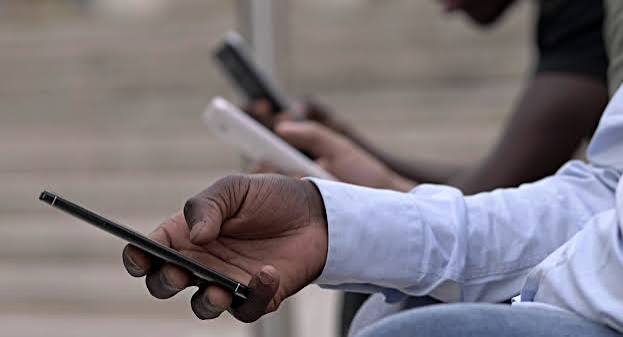
Social media has fundamentally transformed Kenya’s political communication landscape.
Campaigns, protests, fundraising, political messaging, and civic activism increasingly occur online before reaching physical communities.
As election activity intensifies, digital platforms are expected to become even more influential.
Shadow of the 2024 Gen Z Demonstrations

Current developments cannot be separated from the nationwide youth protests that dramatically reshaped Kenyan politics in 2024.
Originally sparked by opposition to proposed tax measures, demonstrations evolved into one of the country’s largest youth-led civic movements.
Images, livestreams, and citizen journalism spread rapidly across TikTok, X, Facebook, Instagram, and WhatsApp, giving young activists unprecedented influence.
The protests demonstrated the enormous political power social media now holds within Kenya.
Authorities consequently appear determined to prevent digital mobilisation from escalating into widespread unrest.
Human Rights Concerns Continue
Human rights organizations continue expressing concern over allegations of excessive force, unlawful arrests, enforced disappearances, and restrictions on civic freedoms following recent protest movements.
Although authorities deny wrongdoing and insist investigations follow legal procedures, rights groups argue stronger institutional accountability remains necessary.
These competing narratives continue shaping domestic and international perceptions of Kenya’s democratic environment.
International investors also closely monitor governance indicators, judicial independence, and civil liberties when assessing long-term economic risk.
Kenya Court Decisions Are Reshaping Digital Law
An important legal turning point came when appellate judges declared several controversial provisions within Kenya’s cybercrime legislation unconstitutional.
The judgment strengthened constitutional protections surrounding freedom of expression and limited government authority over certain categories of online publication.
Legal experts believe prosecutors are now relying more frequently on existing provisions within the Penal Code and hate speech legislation rather than previously challenged cybercrime sections.
This evolving legal strategy is expected to generate further constitutional litigation in coming years.
Comparison of Competing Perspectives
| Stakeholder | Primary Concern | Desired Outcome |
|---|---|---|
| Government | Prevent violence and maintain public order | Strong enforcement against incitement |
| Human rights groups | Protect constitutional freedoms | Narrow interpretation of hate speech laws |
| Political leaders | Secure fair political competition | Consistent legal enforcement |
| Citizens | Safety alongside free expression | Transparent and accountable policing |
Economic Impact of Online Stability
The debate extends beyond politics.
Kenya’s digital economy has become one of Africa’s fastest-growing innovation ecosystems.
Technology startups, fintech firms, digital media companies, online retailers, and content creators all rely heavily on open digital communication.
Uncertainty surrounding online regulation may influence investor confidence if businesses perceive legal risks surrounding digital engagement.
Conversely, unchecked misinformation and coordinated hate campaigns can also damage economic confidence by increasing political instability.
Finding the correct policy balance therefore carries significant economic consequences.
Social Media Platforms Face Growing Pressure
Authorities have increasingly encouraged global technology companies to strengthen local moderation systems and cooperate more closely with regulators.
Governments worldwide are demanding faster removal of harmful content while simultaneously facing criticism over censorship.
Kenya reflects this broader international challenge.
Platforms must balance user safety, political neutrality, legal compliance, and freedom of expression within rapidly changing regulatory environments.
What Lies Ahead
Kenya now stands at an important crossroads in the evolution of digital governance.
The country must continue addressing genuine threats posed by hate speech, ethnic incitement, and online violence while preserving constitutional protections that support democratic participation.
The coming months will likely produce additional legal challenges, policy debates, and judicial rulings that shape how online speech is regulated for years to come.
Whatever direction policymakers ultimately choose, transparency, judicial oversight, and clearly defined legal standards will remain essential.
Public trust depends not only on effective law enforcement but also on confidence that every citizen enjoys equal protection under the law.