
How Luxury Cars Reflect Power Status in Modern Football Economics 2026

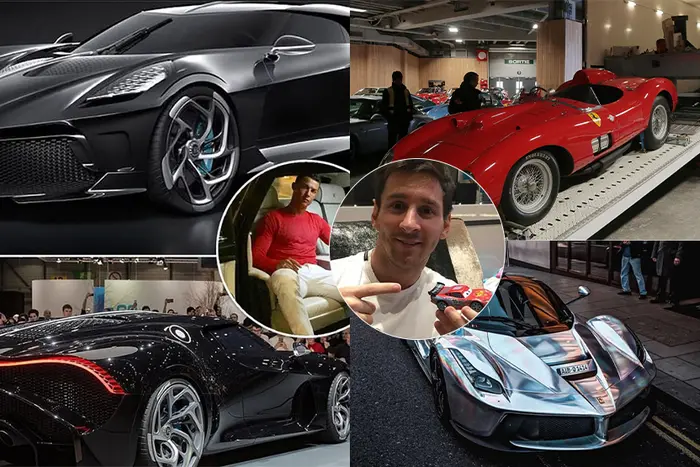
Football in 2026 operates as a global financial ecosystem where performance, branding, and lifestyle are tightly interconnected. Luxury cars owned by elite footballers have become one of the most visible symbols of this transformation, reflecting not only personal wealth but also the commercial scale of modern football.
Rather than serving as simple lifestyle displays, luxury vehicles now represent how footballers position themselves within a global entertainment economy shaped by sponsorships, digital influence, and media visibility.
Cristiano Ronaldo, Lionel Messi, Kylian Mbappé, Neymar Jr, and Erling Haaland remain among the most recognized names associated with high-value car collections, but the deeper story lies in what these assets represent within modern football economics.
Also Read: Top Comoros Official Hospitalized in Nairobi Amid Rising Tensions in Moroni
Footballers and Luxury Cars as a Global Status Language
Luxury cars have become part of the visual identity of elite football. Bugatti, Rolls-Royce, Ferrari, Lamborghini, and McLaren models frequently appear in football culture content due to their association with performance and exclusivity.
Cristiano Ronaldo is widely associated with a multi-million-dollar car collection featuring Bugatti Chiron models and Rolls-Royce vehicles. Lionel Messi’s garage reflects a more private luxury approach, including high-end Ferrari and Range Rover models. Neymar Jr is often linked with customized luxury sports cars that match his expressive public personality.
Kylian Mbappé represents a younger generation where luxury ownership is balanced with financial discipline and brand control. Erling Haaland, meanwhile, reflects a performance-first image with selective but high-value vehicle choices.
These examples show how luxury cars function as identity extensions rather than simple purchases.
Why Footballers Invest in Luxury Vehicles
Footballers’ luxury car ownership is shaped by multiple overlapping factors that extend beyond income levels.
Identity and branding
Modern footballers operate as global brands. Luxury vehicles reinforce personal identity and public perception, especially through social media exposure.
Financial reward culture
Elite performance contracts and endorsement deals create financial capacity that supports high-value lifestyle choices.
Emotional compensation
Professional football carries extreme pressure, short career cycles, and public scrutiny. Luxury purchases often reflect personal reward systems tied to achievement.
Asset diversification
Limited-edition vehicles can appreciate in value, making them alternative investment assets for high-earning athletes.
Top Footballers and Luxury Car Culture Overview
| Footballer | Club Influence Era | Car Style Identity | Wealth Positioning |
|---|---|---|---|
| Cristiano Ronaldo | Global elite icon | Hyper luxury supercars | Maximum brand visibility |
| Lionel Messi | World champion era | Subtle premium luxury | Low-profile wealth |
| Neymar Jr | Entertainment-driven football | Custom luxury sports cars | Lifestyle branding focus |
| Kylian Mbappé | Next-gen superstar | Modern high-end selection | Controlled commercial image |
| Erling Haaland | Performance-focused era | Minimal but premium vehicles | Efficiency-driven wealth |
Football Wealth Economy Behind Luxury Cars
Luxury cars in football reflect a broader economic transformation in the sport. Global broadcasting rights, sponsorship expansion, and digital monetization have significantly increased player earnings at the top level.
Also Read: Rio Ferdinand To Open International Doors For Arusha Through AFCON 2027
Football is no longer limited to matchday income. Revenue streams now include:
- global sponsorship deals
- social media monetization
- personal branding partnerships
- image rights contracts
- lifestyle collaborations
These income structures create financial environments where luxury consumption becomes highly visible and culturally normalized.
However, wealth display also plays a marketing role. Footballers become entertainment figures whose lifestyle choices contribute to audience engagement and brand value.
Social Media Impact on Football Luxury Culture
Social media platforms have intensified visibility around footballers’ luxury lifestyles. Instagram, TikTok, and YouTube have turned personal assets into global content.
Luxury cars often appear in:
- training day content
- celebratory posts
- brand collaborations
- lifestyle reels
This visibility increases fan engagement but also shapes expectations around football success. Younger players entering professional systems often view luxury consumption as part of career progression.
Football institutions increasingly encourage financial education to balance lifestyle visibility with long-term financial planning.
Psychological Dimension of Luxury Ownership in Football
Luxury consumption in football is also influenced by psychological and emotional factors. Elite athletes operate in high-pressure environments with intense public scrutiny.
Luxury assets often serve as:
- achievement reinforcement tools
- emotional stability markers
- identity transition symbols from humble origins
- stress compensation mechanisms
Sports psychology research highlights the importance of structured financial guidance to ensure long-term stability beyond playing careers.
African Footballers and the Global Luxury Economy
African players continue to gain stronger presence in global football wealth systems. Participation in European leagues provides exposure to high-income environments where luxury consumption becomes more common.
Players such as Sadio Mané represent a different model, often balancing wealth with philanthropy and restrained lifestyle choices. This contrast shows that luxury culture in football is not uniform but shaped by personal values and cultural background.
Emerging African football systems, including Kenya’s developing talent pathways, are increasingly influenced by this global economic structure.
Why Football Luxury Lifestyle Trends Attract Global Audiences
Search demand for football luxury lifestyle content remains consistently high due to emotional and aspirational engagement patterns.
However, ranking success depends on content depth. Pure listicles often underperform over time due to duplication across multiple websites.
High-performing articles typically include:
- economic interpretation
- cultural relevance
- player context
- structured storytelling
Luxury car discussions perform best when embedded in broader football industry analysis.
Key Insights From Football Luxury Culture
- Football has evolved into a global entertainment economy
- Player branding significantly influences income streams
- Luxury assets function as identity and marketing tools
- Social media amplifies lifestyle visibility
- Wealth culture differs across generations and regions
These factors show that luxury cars are part of a larger structural shift in modern football rather than isolated personal choices.
Future of Football Wealth and Luxury Branding
Football wealth culture is expected to expand further due to increasing global investment in sports entertainment. Emerging leagues and digital platforms will continue expanding player earnings.
Future trends may include:
- more regulated financial education for players
- increased focus on sustainable wealth management
- diversification of athlete investment portfolios
- evolving definitions of luxury beyond physical assets
Luxury cars will remain relevant, but their role may shift toward symbolic rather than dominant expressions of success.
Football Luxury Cars Reflect Modern Game Economics
Luxury vehicles owned by footballers represent far more than personal wealth. They reflect the intersection of sport, business, branding, and global entertainment culture.
Cristiano Ronaldo, Lionel Messi, Neymar Jr, Kylian Mbappé, and Erling Haaland illustrate how elite footballers operate within a financial system where lifestyle visibility contributes to global influence.
Football in 2026 is defined not only by performance on the pitch but also by how players shape identity through wealth, branding, and cultural presence. Luxury cars remain one of the clearest expressions of this evolving reality.

