Madrasa and Duksi Integration into Kenya Basic Education: Everything You Need to Know

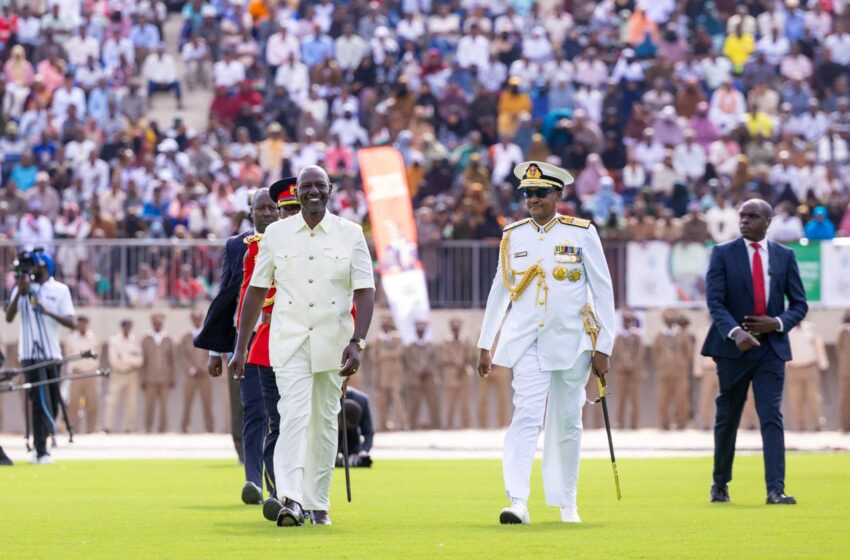
President William Ruto has issued a landmark directive to the Ministry of Education to begin formal consultations aimed at integrating Madrasa, Duksi, and pastoral instruction programs into Kenya’s basic education framework. This strategic shift, announced during the 63rd Madaraka Day celebrations in Wajir County, is designed to expand educational access for thousands of children in marginalized communities who have historically relied on these alternative learning pathways. By establishing a clear legal and policy framework, the government aims to recognize institutions that have traditionally operated outside the formal system, ensuring that every child has a recognized pathway into skills and opportunity.
The absence of an official framework for these religious and pastoral programs has long left children, particularly in northern Kenya, without formal educational recognition. President Ruto emphasized that it is the government’s duty to “open every door” to learning, regardless of a child’s background or geographic circumstance. This directive is a central component of a broader national agenda to promote inclusivity and address deep-seated historical inequalities that have hindered the development of northern Kenya for decades.
Technical Integration Pathways: Formalizing Alternative Learning Systems
The integration process involves complex measures under the Basic Education Act to ensure that these traditional systems meet national standards while preserving their cultural and religious essence. President Ruto has specifically directed the Cabinet Secretary for Education to engage with all relevant stakeholders to recommend appropriate measures for this formal transition. This move acknowledges that Duksi—foundational religious learning institutions prevalent in Somali-dominated regions—serves as the primary educational entry point for many young children.
| Integration Element | Traditional Status | Proposed Formal Status |
| Legal Recognition | Informal/Alternative | Recognized under Basic Education Act |
| Certification | Local/Religious | National Educational Pathways |
| Policy Framework | Community-led | Standardized Ministry Guidelines |
By transitioning these programs into the formal sector, the government seeks to bridge the gap between religious instruction and the national curriculum. This creates a unified system where students in marginalized regions can transition seamlessly into technical training, higher education, and the formal labor market without facing the hurdle of unrecognized certificates.
Economic Investment in Northern Kenya: Education as a Tool for Transformation
Education remains the most potent tool for unlocking economic opportunities in the region, with a significant surge in sectoral investment. The national education budget has grown from Sh500 billion in 2022 to over Sh702 billion today, facilitating the recruitment of over 100,000 teachers over the last three years. To address the chronic shortages specific to northern Kenya, an affirmative action program has successfully operationalized teacher training colleges in Wajir, Kutulo, and Mandera.
-
Affirmative Action Results: A record 1,800 local teachers from Wajir, Mandera, and Garissa have been employed for regional deployment.
-
Enrollment Milestones: Currently, 4,616 students from these regions are enrolled in teacher training colleges, marking the highest number in the area’s history.
-
Future Growth: An additional 20,000 teachers are set to be employed nationwide to further stabilize the educator-to-student ratio.
Policy Reforms Beyond the Classroom: Ending ID Discrimination
In tandem with education reforms, the administration has moved to abolish the controversial vetting process for national identity cards in northern Kenya. President Ruto characterized this as an end to decades of institutionalized discrimination against legitimate Kenyan citizens. While verification of citizenship remains essential, the extra hurdles previously faced by residents—exemplified by those in Wajir—represented a systemic barrier to basic rights.
The reforms introduced through the Presidential Declaration on Registration and Issuance of IDs and Birth Certificates in Northern Kenya, signed in Wajir in February 2025, have already enabled thousands of young people to obtain identity documents without extra vetting procedures. This reform is critical because, without a national ID, even a formalized education may not lead to formal employment or access to government services. By aligning educational integration with civil registration reforms, the government is creating a comprehensive “inclusion loop” for the youth of northern Kenya.
Read Also: Top Comoros Official Hospitalized in Nairobi Amid Rising Tensions in Moroni
Regional Development and Future Infrastructure Projects
Declaring that “Wajir is not the edge of Kenya, Wajir is Kenya,” the President outlined a deliberate effort to ensure no region is left behind. Major investments are being channeled into healthcare, housing, roads, and livestock development across the northern frontier. Key upcoming infrastructure projects include:
-
Wajir Airport Expansion: Construction of a civilian terminal is scheduled to begin before the end of the year.
-
Higher Education: Plans have been confirmed to establish a dedicated university within Wajir County.
-
Economic Hubs: Investments in water projects and regional trade are expected to transform northern Kenya into a central player in the country’s future economic landscape.
This integrated approach—combining religious education with formal schooling, ending civil document discrimination, and investing in physical infrastructure—aims to position northern Kenya as a vital contributor to the nation’s economic transformation.