Millions Paid as KTDA Faces DCI Probe

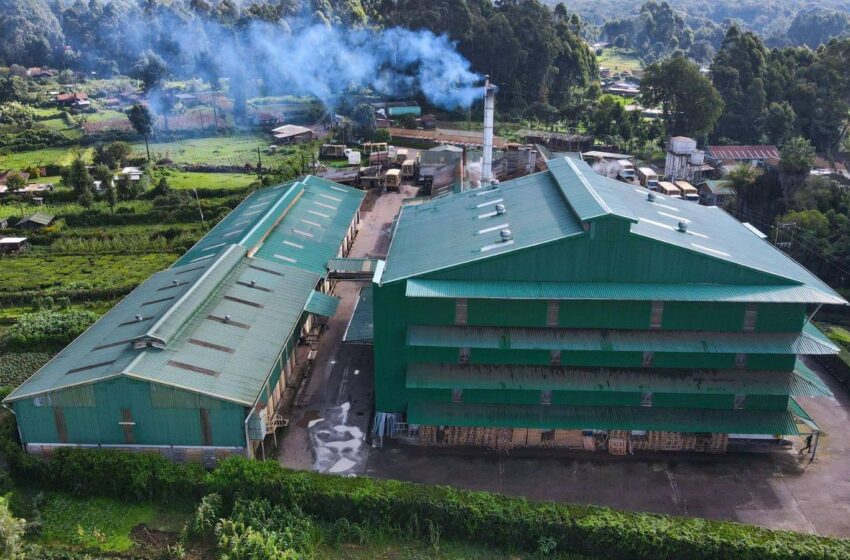
Kenya Tea Development Agency (KTDA) is facing a criminal investigation over a Sh322.5 million payment to Oriole Homes Ltd, a Chinese-linked supplier, despite opposition from most of its directors and legal advice questioning the basis of the claim.
The payment has exposed divisions within the farmer-owned tea agency and raised fresh questions about its governance at a time when thousands of tea farmers are already struggling with delayed and low bonus payments.
The Directorate of Criminal Investigations (DCI) is investigating how the payment was approved, who authorised it and whether the money was irregularly paid from KTDA Holdings accounts.
The matter dates back to February 20, 2026, when the KTDA board met amid growing financial pressure on the agency. Farmers had complained about delayed and low tea bonus payments, while the National Assembly was investigating the agency’s bonus distribution.
The board was also considering ways of restructuring loans with lenders after acknowledging concerns about its financial position and the possibility of default.
“The best person to speak about it is the former chairman since he was the one in charge,” Mr Njeru told the Nation.
The disputed payment relates to a $2.5 million claim submitted by Oriole Homes Ltd, one of four companies under the Sanjiu Group, which is associated with Chinese businessman Ying Du.
Oriole Homes had won a KTDA tender to supply 99,000 tonnes of NPK fertiliser. Although delivery was delayed, the fertiliser was eventually supplied in August 2025 and accepted by KTDA.
The supplier was paid the full contract sum of approximately Sh9 billion, effectively bringing the original agreement to an end.
However, on January 28, 2026, almost five months after completing the contract, Oriole Homes returned to KTDA with a demand for an additional Sh322.5 million.
The company claimed it had incurred foreign exchange losses because of delays between May and August 2025. It attributed the delays to court cases challenging the award of the fertiliser tender.
Oriole Homes acknowledged that the circumstances amounted to force majeure, a contractual provision covering unforeseen events beyond the control of the parties that may prevent or delay performance.
Despite this, the company argued that KTDA should compensate it for losses arising from changes in the foreign exchange rate.
Board Rejects Compensation Claim
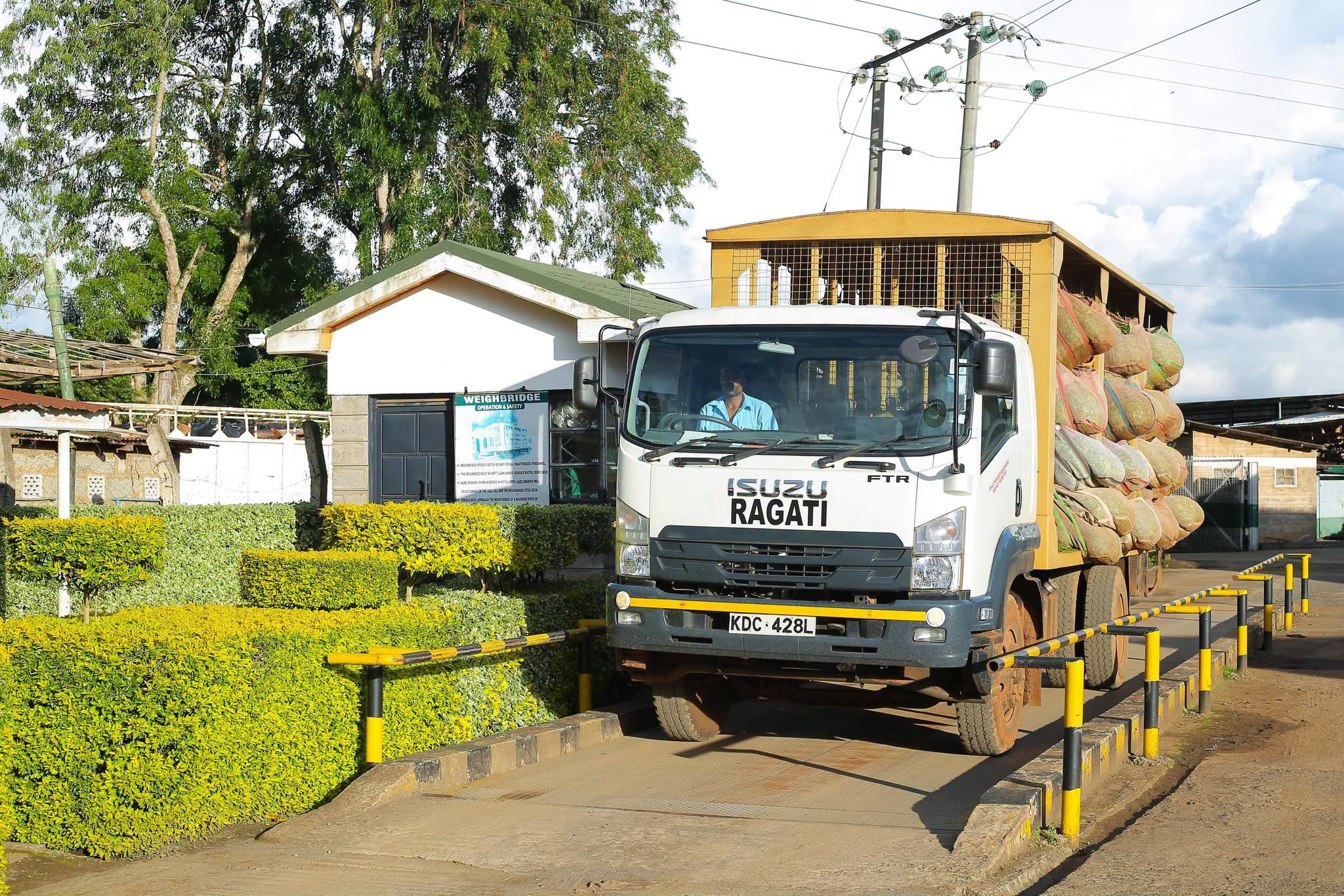
The demand immediately triggered resistance within KTDA’s leadership.
When the matter came before the board on February 20, directors declined to approve the payment and demanded justification before the agency could commit itself to the additional cost.
Four days later, the company secretary wrote to KTDA’s head of legal seeking guidance on the claim. The legal opinion subsequently raised further concerns about whether the payment could lawfully be made.
The legal advice indicated that currency fluctuations did not fall under the force majeure provisions of the contract. It also pointed out that the contract had already expired and could not be amended or varied after completion.
Former national chairman Geoffrey Chege Kirundi also opposed the claim.
Kirundi maintained that KTDA had no legal obligation to compensate the supplier for losses arising from a force majeure event. However, his objection was not captured in the minutes of the Tender Board meeting where the matter was discussed.
Documents seen by the Nation, including board minutes and internal correspondence concerning the fertiliser procurement, indicate that 11 of the 12 directors opposed paying the Sh322.5 million claim.
Despite the objections and legal reservations, KTDA eventually paid Oriole Homes Sh322.5 million on May 18.
The payment has since attracted the attention of DCI detectives, who are now examining the circumstances surrounding the transaction.
The investigation is seeking to establish how the claim moved from being rejected by the board to being paid and whether any criminal offence was committed in the process.
Five current and former officials have been summoned to assist with the inquiry. They include former national chairman Kirundi, legal officer Mathew Odero, company secretary Esther Osoro, finance official Tarsila Wanja and group head of procurement and logistics Peter Mugai.
Nairobi Area DCI chief Daniel Kandie issued the summons on July 28, directing the officials to provide certified copies of documents linked to the contract and payment.
“They will be required to provide certified copies of the contract documents, the minutes approving payment to MS Oriole Homes Limited and financial records detailing how the alleged amount was paid from KTDA Holdings accounts,” the summons state.
The officials appeared before investigators three days later but were not required to record statements.
Instead, they were directed to compile and submit the requested documents before investigators set fresh dates for them to record statements.
Leadership Divided Over Sh322.5 Million Payment
The investigation has now opened another chapter in the leadership divisions at KTDA, with the agency’s current chairman Enos Njeru distancing himself from the disputed transaction.
Njeru said the payment was made before he assumed office and directed questions about the matter to his predecessor.
Asked whether the Sh322.5 million had indeed been paid, Njeru declined to comment, saying the former chairman was better placed to address the issue.
Kirundi, who is also a director of Murang’a-based Kiru Tea Factory, also declined to discuss the payment while the investigation is ongoing.
“That matter is under investigation. I can only speak on it once the investigators are done,” he said.
The former chairman, however, later wrote to Njeru insisting that the official board minutes should accurately reflect his opposition to the payment.
In the letter dated July 2, 2026, Kirundi maintained that there was no legal basis for compensating Oriole Homes after the fertiliser contract had expired.
He argued that any losses arising from foreign exchange fluctuations were part of the commercial risks associated with international business and should not have been transferred to KTDA.
“The board had been advised by the management that the claim had no legal basis for payment. I stood by the legal opinion. As the chairperson of the board, I advised the board not to pay for the loss claimed, if it existed, for it was normal business risk and loss is borne by a party in international business,” Mr Kirundi wrote.
The dispute has placed KTDA’s procurement and financial management under renewed scrutiny, particularly as the agency continues to deal with concerns over its financial health and the welfare of tea farmers.
For farmers, the controversy comes at a sensitive moment. Delayed and reduced bonus payments have already fuelled frustration, while questions surrounding KTDA’s financial decisions have intensified calls for greater transparency.
The DCI investigation could therefore have implications beyond the disputed Sh322.5 million. Detectives will be seeking to establish whether proper procedures were followed, why the payment proceeded despite opposition from 11 directors and whether the agency’s internal controls were bypassed.
Fresh dates for the officials to record statements will be communicated as the investigation continues.
Until then, the central question hanging over KTDA remains how a compensation claim that faced strong board opposition and legal reservations eventually resulted in a Sh322.5 million payment.
This version keeps the story news-driven and human, while the two subtitles break up the investigation and leadership angle without making it read like a report.