Mwafreeka: Steps Taken By Iko Nini Podcast Studio Following Sh1.1m Loss

Kenya’s digital creator economy has surged into a multi-billion shilling powerhouse, effectively democratizing media and providing a platform for authentic, raw discourse. Yet, this growth has brought unforeseen vulnerabilities. The recent, brazen robbery of the Iko Nini podcast studio, which saw equipment worth Sh1.12 million stolen, has forced a necessary, uncomfortable conversation about the physical security of the creative spaces that drive Kenya’s digital future.
The Anatomy of the Iko Nini Breach
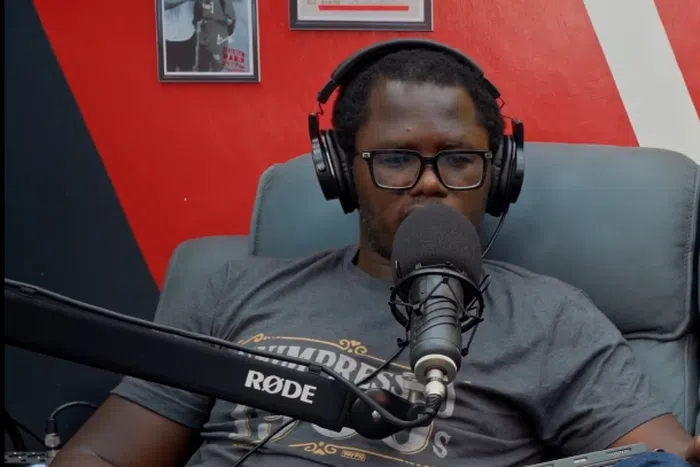
In April 2026, the Iko Nini studio, the brainchild of prominent podcaster Makarios Ouma, famously known as Mwafreeka, was targeted by three individuals who accessed the premises and made off with two high-end cameras. The incident was caught on clear CCTV footage, which the studio team released to the public in a bid to track down the perpetrators.
The footage revealed three suspects operating without masks, a sign of extreme confidence that left the local community outraged. For Mwafreeka, the aftermath was not just financial but deeply personal. He publicly admitted that the incident exposed a reliance on “assumed security”, a situation where he believed a watchman was protecting the premises, only to discover later that the protection was not as robust as he had been led to believe. This “trust tax” is a reality many content creators face when scaling from home-based setups to commercial studios without formal security audits.
Investigative Progress and Community Advocacy
The Iko Nini team did not remain passive. They immediately engaged the Directorate of Criminal Investigations (DCI), providing the clear video evidence that has since become the focal point of the ongoing inquiry.
To expedite the process, the studio offered a Sh100,000 cash reward for information leading to the arrest and conviction of the three individuals. This move highlights a shifting paradigm in Kenyan digital media: the audience is no longer just a spectator, they are an active part of the creator’s security infrastructure. The viral spread of the CCTV footage across X and Instagram demonstrated that the digital community is a potent force for justice, capable of keeping cold cases in the public eye until progress is made.
Operational Hardening: A New Security Standard
Beyond the search for the suspects, Mwafreeka has been transparent about the “recovery phase.” Rebuilding is not simply about replacing hardware; it is about institutionalizing a security-first culture that prevents such a breach from ever happening again.
Hardening the Creative Hub
For Kenyan creators, this incident serves as a blueprint for what needs to change. The Iko Nini team is moving toward a professional-grade security framework, transitioning away from verbal agreements with landlords and building managers toward verifiable, audited protocols.
| Security Layer | Implementation Strategy | Goal |
| Physical Barriers | Tamper-evident locks & reinforced access points | Delay & discourage unauthorized entry |
| Surveillance | Multi-point, off-site recorded CCTV | Real-time tracking & evidence preservation |
| Asset Management | Tracking software & hardware inventory | Rapid identification of stolen components |
| Data Security | Encrypted cloud backups | Protecting raw footage from hardware theft |
The Broader Implications for Kenya’s Creator Economy
This robbery is a milestone event for the industry. As the Kenyan creative sector matures, content creation is no longer viewed as a “hustle” but as a legitimate business enterprise. With this professionalization comes the legal and operational responsibility of protecting intellectual and physical property.
The creators increasingly handle high-value assets, cameras, lighting kits, and audio interfaces but the infrastructure surrounding these tools must be equally advanced. The Iko Nini experience underscores that for a studio to be a “business,” it must adopt enterprise-level risk management. This involves compliance with safety regulations, understanding one’s rights under the law, and ensuring that the physical premises are as well-protected as the brand’s online reputation.
Responding to the “Hoax” Narrative
In the wake of the robbery, the digital space saw a wave of skepticism, with some social media users questioning the authenticity of the crime. Mwafreeka addressed these “hoax” allegations head-on, using his platform to dismantle the cynicism and reaffirm his commitment to his work.
By refusing to launch a public crowdfunding campaign, he drew a line in the sand regarding his professional integrity. His rejection of “entitlement” in donations sends a powerful message: the Iko Nini brand is built on its content, not on reliance on charity. The focus remains on resilience, rebuilding production capacity, and continuing the candid conversations that have defined his career.
Path Toward a Secured Future
The Iko Nini team is now moving forward, bolstered by an outpouring of support from fans and fellow artists. While the Sh1.12 million loss remains a significant operational hurdle, the studio’s resolve to get back to full production strength is unwavering.
The lesson here is clear, the digital creator economy is as strong as the physical security of its studios. By integrating professional security protocols, maintaining rigorous asset management, and fostering deep, transparent connections with their audiences, creators can weather these storms. The path toward growth is rarely smooth, but for Mwafreeka and his team, the goal is to emerge from this crisis not just back to business as usual, but as a more fortified and professional production powerhouse