
Nairobi Green Infrastructure Investments Signaling Paradigm Shift In Regional Urban Planning

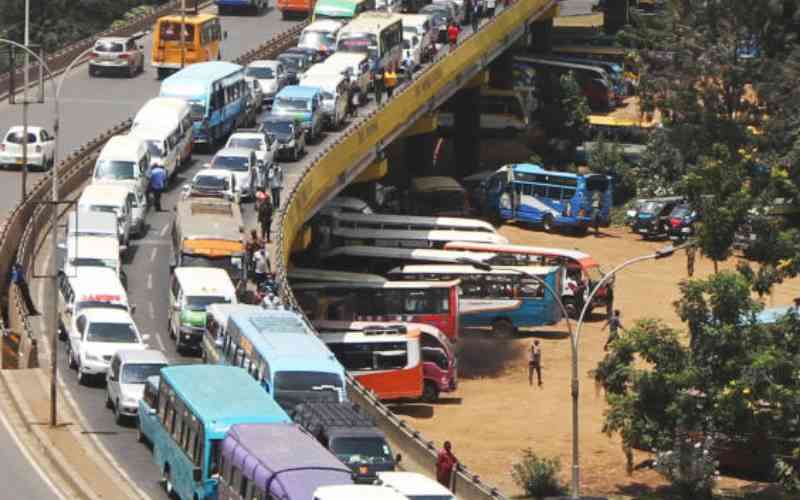
Modern municipal management requires a foundational departure from traditional civil engineering models, replacing rigid concrete development with adaptive, nature-positive design. The introduction of an extensive five-year ecological transformation initiative within the Kenyan capital represents a definitive shift toward sustainable urbanism across East Africa.
Backed by a significant multi-million shilling financial allocation from global environmental funds, this strategic operation establishes a framework for balancing high-density population growth with environmental restoration.
The historical reliance on heavy gray infrastructure frequently exacerbates modern climate vulnerabilities, creating severe challenges like urban heat islands and compromised local drainage basins. Transitioning toward integrated landscape management allows municipal planners to treat metropolitan spaces as living, dynamic ecosystems. This methodology prioritizes long-term ecological balance over short-term physical expansion, offering a blueprint for rapid-growth economies dealing with concurrent infrastructure and environmental pressures.
Unplanned growth across major Sub-Saharan cities has historically outpaced the installation of public amenities, creating environmental liabilities that worsen localized climate shocks. When concrete replaces native topsoil completely, cities lose their natural buffer systems. The implementation of this integrated policy framework serves as a direct intervention against unmanaged expansion. It builds institutional capacity, modernizes local urban planning codes, and sets up scalable pilots to demonstrate that economic productivity does not require ecological destruction.
By shifting away from the piecemeal, reactive infrastructure approaches of previous decades, the metropolitan administration is establishing a unified methodology. This approach connects land-use planning with natural hydrology and carbon reduction targets. The overarching objective is to institutionalize these sustainable design practices across all departments, turning Nairobi into a primary testing ground for scalable green solutions that can be applied in other expanding African trade hubs.
Read Also; Ngemi Festival: Price and Where to Get Tickets for the Upcoming Edition
Sustainable Metropolitan Development Frameworks Transforming High Density African Neighborhoods
Moving Beyond Conventional Civil Engineering
The core of this structural transformation focuses on overhauling high-density residential and commercial districts through neighborhood-level interventions. Traditional development models often view density as an impediment to sustainability, resulting in widespread ecosystem degradation and severe air quality challenges. Implementing nature-positive growth strategies proves that concentrated urban centers can actively foster biodiversity conservation and resource efficiency.
Planners are integrating micro-ecosystem restoration, climate-resilient open spaces, and localized circular waste economies directly into existing community layouts. This targeted approach mitigates localized pollution while generating new decentralized economic opportunities within the circular economy. Replacing linear resource consumption patterns with closed-loop systems allows highly populated suburbs to minimize their overall carbon footprints while improving localized climate adaptation capabilities.
Furthermore, dense neighborhoods present a unique logistical advantage for sustainable urban transitions. Because residences, commercial stalls, and public areas are closely grouped, the capital required per capita to install green networks is lower than in sprawling suburban zones. This density enables the efficient deployment of shared community assets, such as community-scale composting setups and localized graywater filtration cells, which would be financially unfeasible in low-density settings.
Shifting Focus to Ecological Infrastructure Integration
Successful execution of large-scale municipal transformations relies on deeply embedding renewable energy networks and low-carbon transport corridors into daily operations. The project treats the city as an interconnected biological organism, ensuring that structural adjustments support both ecological resilience and public health.
-
Decentralized Solar Arrays: Deploying localized solar grids across public facilities reduces reliance on carbon-intensive grid electricity.
-
Non-Motorized Transport Networks: Constructing dedicated pedestrian pathways and cycling lanes lowers localized exhaust emissions while improving community mobility.
-
Riparian Zone Restoration: Rehabilitating urban river basins and wetlands provides natural flood mitigation and critical wildlife corridors.
Prioritizing non-motorized transport routes and decentralized clean energy infrastructure significantly lowers dependency on fossil fuels. This systematic integration mitigates greenhouse gas emissions while insulating vulnerable urban demographics from the health hazards associated with poor urban air quality.
Capital Financing Specialization Accelerates Low Carbon Municipal Infrastructure Transitions
The comparative analysis below outlines the technical specifications, funding distributions, and long-term targets governing the current metropolitan transformation compared to historical municipal frameworks.
| Metric Parameters | Historical Urban Frameworks | Modern Low-Carbon Blueprint | Projected Long-Term Impact |
| Primary Structural Material | Reinforced concrete, impermeable asphalt surfaces | Permeable pavements, extensive green canopies | 40 percent reduction in surface heat absorption |
| Stormwater Management | Linear concrete channels, rapid basin discharge | Bioswales, retention wetlands, natural floodplains | 60 percent increase in localized water retention |
| Capital Financing Source | Sovereign debt allocations, limited local revenue | Multilateral global grants, private green bonds | Sustainable funding extending past initial project cycles |
| Mobility Engineering | Motorized vehicular prioritization, expanded roadways | Non-motorized corridors, integrated mass transit | 35 percent drop in micro-particulate pollution |
Ecological Engineering Methods Overhauling Postcolonial Gray Urban Ecosystems
Mitigating the Micro-Climate Heat Island Effect
Replacing natural landscapes with dense, heat-retaining building materials creates persistent micro-climate challenges across rapidly developing metropolitan areas. Impermeable surfaces absorb solar radiation throughout the day and radiate heat back into the lower atmosphere, driving up localized cooling demands and energy expenditures. Introducing extensive urban tree canopies and green roofs directly addresses this issue by lowering ambient temperatures through shading and natural evaporative cooling.
Thermal Mitigation Sequence:
Increased Vegetation Canopy leads to Enhanced Evaporative Cooling, which results in Reduced Ambient Temperature and leads to Lowered Energy Expenditures.
These botanical interventions lower localized temperatures while acting as highly effective particulate filters, purifying air inside dense commercial zones. This integration of living systems into civil design helps buffer vulnerable populations against the severe weather anomalies driven by global climate shifts.
In addition to temperature regulation, expanding urban vegetation establishes crucial continuous corridors for native bird and insect populations that have been pushed out by decades of concrete development. Restoring these micro-habitats brings essential ecological services back to the city center, such as natural pest control and the pollination of urban gardens. This proves that urban centers can actively support regional biodiversity conservation rather than acting as ecological barriers.
Restoring Natural Hydrological Cycles
Unchecked real estate expansion frequently disrupts natural drainage networks, wrapping large swaths of land in waterproof concrete shells. This lack of absorption drives up peak surface runoff during intense tropical storms, overloading old stormwater networks and causing repeated flash floods.
Stormwater Management Realignment:
-
Installation of Specialized Urban Bioswales
-
Restoration of Natural Floodplains and Silt Traps
-
Construction of Decentralized Groundwater Recharge Wells
Constructing specialized bioswales and preserving natural urban wetlands allows the soil to absorb and filter rainwater naturally. This reduces flood-related infrastructure damages while systematically replenishing underground aquifers, strengthening municipal water security during prolonged dry spells.
By utilizing the earth’s natural filtration layers, these ecological engineering techniques strip heavy metals and domestic pollutants out of runoff before it enters regional river systems. This clean water contribution actively supports downstream agricultural and domestic users, lowering water purification costs and reducing waterborne disease outbreaks in informal settlements located along the river basin.
Read Also: Ngemi Festival 2026: Theme, Venue, Date and Everything You Need to Know
Multilateral Environmental Subsidies Mobilizing Private Sector Climate Resilience Allocations
Attracting Institutional Green Capital
Relying solely on public budgets to finance deep climate resilience updates is financially unsustainable for developing economies. The current initiative utilizes its baseline multilateral grants to de-risk green investments, opening the door for private institutional capital. Creating reliable financial incentives for eco-friendly real estate development encourages private entities to prioritize low-carbon construction methods and water-saving technologies.
This blending of public international development grants with private commercial investments establishes a self-sustaining funding pipeline that extends far beyond the initial five-year project window. Financial structures like green bonds and targeted tax incentives ensure that sustainable practices remain commercially competitive, driving widespread adoption across the broader construction industry.
De-risking these initial capital deployments allows municipal authorities to prove the commercial viability of green infrastructure to conservative local financial systems. Once private banks see measurable utility savings and decreased flood risks in green-certified properties, they can offer preferred lending rates for eco-friendly projects. This shifts the financial landscape from dependency on foreign aid to a self-sustaining local market driven by sustainable growth.
Standardizing Sustainability Criteria for Future Developments
Long-term transformation requires updating municipal zoning laws and structural building codes to mirror modern ecological safety standards. Future commercial and residential developments must meet strict, measurable criteria regarding energy efficiency, waste minimization, and site permeability before receiving building approvals.
Regulatory Compliance Cycle:
Mandatory Permeability Thresholds lead to Independent Site Eco-Audits, which leads to the Issuance of Green Building Certifications.
Enforcing these strict environmental guidelines ensures that future real estate investments support, rather than hinder, municipal climate adaptation goals. Establishing transparent, predictable regulatory frameworks allows the city to attract international climate finance while ensuring its growing infrastructure remains resilient for generations to come.
Furthermore, integrating smart tracking sensors and digital mapping assets into the city planning department allows for real-time monitoring of regulatory compliance across all sub-counties. These digital tools analyze canopy cover growth, surface runoff volume variations, and localized air quality shifts. This provides planners with the empirical data required to continuously refine zoning laws as regional climate patterns shift.

