
PayPal Crackdown Triggers Massive Capital Freezes for Online Workers in Kenya

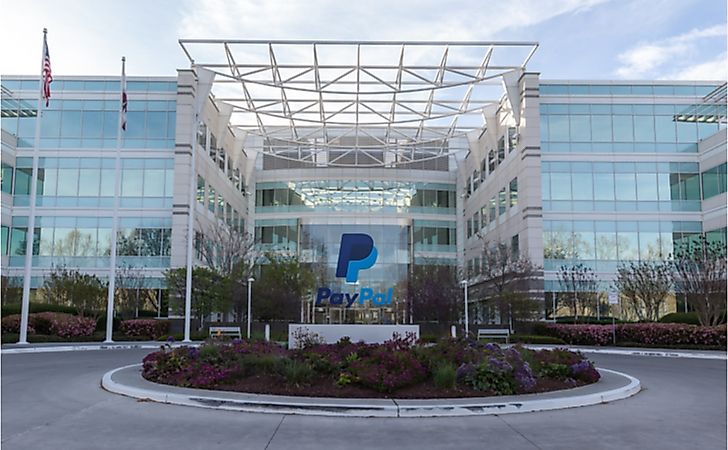
International payment processing ecosystems face significant regulatory adjustments when global anti-money laundering mandates intersect with localized digital economies. A widespread compliance enforcement campaign by PayPal has led to systematic account restrictions and permanent limitations for users within the Kenyan digital market.
Multinational financial platforms cite heightened fraud prevention obligations and strict adherence to global banking standards as the primary drivers behind these operational interventions. Remote developers, digital content creators, and cross-border merchants who rely on the service to process international invoices face immediate operational bottlenecks due to this sudden enforcement wave.
Compliance officers at the financial platform have escalated verification requirements, demanding comprehensive documentation before releasing trapped balances. Moving away from automated, low-touch account management, the current verification framework requires users to submit detailed proof of identity, residential utility statements, and explicit transactional paper trails. Modern gig economy enterprises require absolute alignment with international financial guidelines, making a deep understanding of these regulatory adjustments essential for maintaining business continuity.
Read Also: Rio Ferdinand To Open International Doors For Arusha Through AFCON 2027
Logistics of Compliance Verification and Asset Liquidation Safegrounds
Navigating a comprehensive financial account audit requires precise documentation and strict adherence to specific verification protocols. Platforms institute a structured freeze on all outbound transfers once an account triggers compliance flags to protect against potential financial liabilities and incoming charge-back risks.
-
Systemic Identity Verification requires the presentation of valid government-issued identification cards alongside certified local utility bills to confirm physical residency.
-
Source of Income Validation mandates that remote workers produce signed service contracts, itemized invoices, and official bank statements linking payments to verified client deliverables.
-
Extended Asset Retention Windows enforce a strict 180-day holding period on permanently limited profiles, keeping capital inaccessible while the platform assesses potential transaction reversals.
Temporary structural halts serve as defensive regulatory compliance mechanisms rather than permanent capital asset seizures, meaning funds can often be recovered once the comprehensive review window closes.
Macroeconomic Realities of Regional Grey-Listing and International Risk Metrics
Current regulatory enforcement drives highlight the direct economic consequences that national financial listings have on independent digital entrepreneurs. Financial Action Task Force (FATF) decisions to place Kenya on its global grey list have forced international payment providers to fundamentally alter their regional risk evaluation models.
Cross-border financial firms automatically apply tighter transaction monitoring across the entire jurisdiction whenever a country’s macroeconomic profile shifts on the global stage. Micro-level operators, such as freelance consultants waiting on minor client disbursements to handle immediate operational overhead, face a difficult environment under this macro-level risk mitigation. Proactive compliance tracking and keeping meticulous transaction records remain the best defense for individual business owners navigating these institutional shifts.
Portfolio of Digital Remittance Risk Vectors and Operational Safeguards
Maintaining financial stability as an international service provider involves evaluating multiple compliance, operational, and liquidity risks. The matrix below outlines the primary administrative vulnerabilities faced by digital workers during international payment processing clampdowns.
| Compliance Sector Profile | Primary Operational Risks | Downstream Administrative Impacts | Strategic Intervenient Protocols |
| Account Infrastructure | Unexpected profile limitations and sudden permanent bans on merchant access | Interrupted cash flow pipelines and delayed local vendor payments | Maintaining fully updated legal profiles verified via local banking institutions |
| Transaction Audits | Prolonged capital holds and rejection of unverified overseas transfers | Inability to clear immediate overhead, including rent and utility expenses | Compiling organized repositories of client communications and signed work orders |
| Platform Dependency | Single-channel vulnerability and total reliance on a single processing network | Systemic business operational halts during unexpected regulatory shifts | Diversifying remittance pipelines across multiple global payment providers |
Long-Term Outlook for Independent Remote Work and Diversified Payment Gateways
Future operational sustainability across the regional digital export market depends heavily on moving past single-channel reliance toward diversified payment architectures. Exclusive reliance on one global provider leaves independent contractors vulnerable to sudden policy shifts and strict compliance adjustments.
Read Also: Rio Ferdinand To Open International Doors For Arusha Through AFCON 2027
Integrating multi-platform payment strategies—such as direct bank-to-bank international wires, alternative digital wallets, and decentralized merchant services—helps insulate remote enterprises from unexpected account freezes. Digital service exporters can easily manage shifting international compliance rules without facing long operational pauses by building flexible payment systems. Regional digital economies achieve greater long-term protection through this resilient approach to financial management, ensuring steady growth for the cross-border workforce.