Public Pressure, Private Stalemate: Why US–Iran Talks Are Struggling in 2026

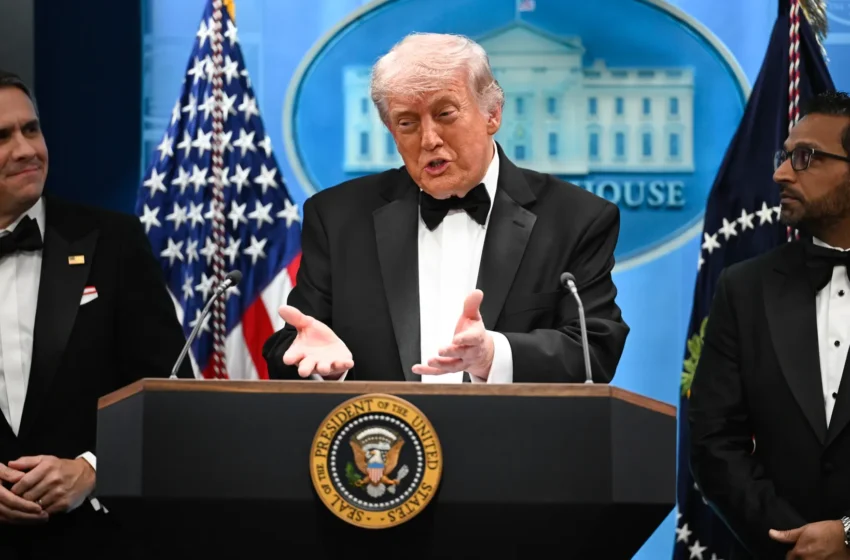
Sometimes, the most significant negotiations in history are defined not by what is spoken across a velvet-covered table, but by the chaotic, public performance surrounding them.
In the ongoing standoff between the United States and Iran, President Donald Trump has adopted a strategy that mirrors his career as a dealmaker: leveraging intense media pressure, public ultimatums, and a continuous stream of social media commentary to force a capitulation.
Yet, as the 2026 conflict grinds toward a fragile and uncertain future, this unconventional approach faces a critical question: does the constant spotlight actually obstruct the path to a lasting peace?
The Social Media Battlefield
President Trump has long viewed his platform as a primary instrument of power, utilizing the immediacy of the digital age to bypass traditional diplomatic channels. Since the escalation of hostilities in late February 2026, the President has frequently used his social media presence to announce military outcomes, issue threats against Iranian leadership, and claim breakthroughs in peace talks, often before they have materialized.
While this direct line to the global public provides an unparalleled ability to frame the narrative, it also introduces significant diplomatic volatility. By signaling internal optimism or broadcasting specific demands to a worldwide audience, the administration risks painting itself into a corner. When these public proclamations are met with silence or pushback from Tehran, the President’s subsequent escalatory rhetoric,such as threats to strike energy infrastructure,often creates a cycle of instability that complicates the very deals he seeks to secure.
The Limits of Negotiating in Public
The current diplomatic landscape, mediated primarily by Pakistan, remains deeply precarious. Recent reports indicate that while both nations are exploring options,including a proposal from Iran to reopen the Strait of Hormuz in exchange for ending the blockade,core disagreements regarding nuclear enrichment and regional influence remain stuck in a stalemate.
Critics and even some administration officials have privately expressed concern that the President’s impulsive public commentary creates unnecessary friction. Negotiators tasked with navigating the intricate details of uranium stocks and missile programs argue that such sensitive topics require the sanctity of the back channel, far from the pressures of public scrutiny.
The perception that the U.S. strategy is being driven by immediate media headlines rather than a long-term, cohesive plan has led some international partners to question the durability of any potential agreement.
Furthermore, Iran’s leadership, operating from a position of relative strategic silence, has frequently utilized the President’s public outbursts to frame American demands as unreasonable or escalatory.
By choosing to play to the gallery, the President may be providing his adversaries with a consistent excuse to delay or withdraw from the table entirely.