
Ruto Reaffirms Commitment to Higher Education Funding Reforms

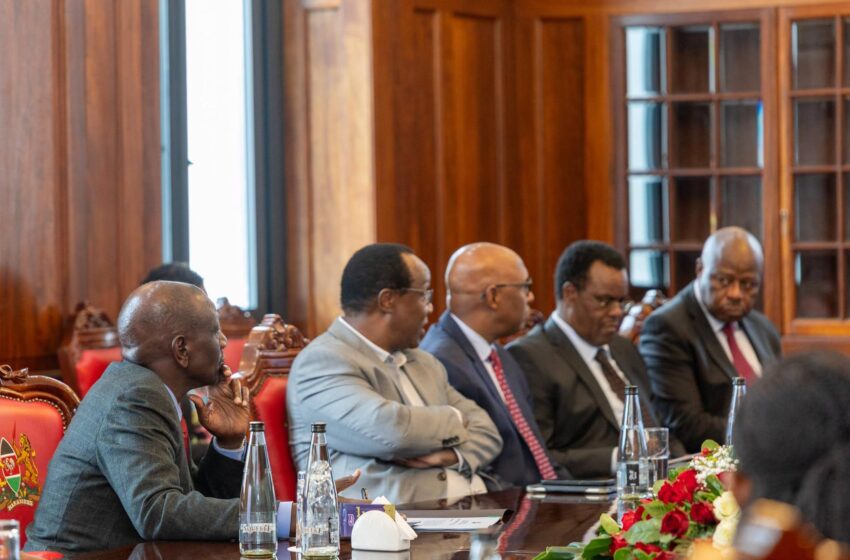
President William Ruto has spearheaded a comprehensive review of Kenya’s tertiary education financing framework to ensure equal opportunities for all learners.
A high-level consultative meeting involving top leadership from the Ministry of Education and major institutional players within the sector convened to map out upcoming systemic adjustments.
The ongoing review targets long-term structural viability across universities and technical colleges. Government planners intend to address historical funding deficits while keeping the acquisition of knowledge accessible to vulnerable populations. Aligning institutional support with actual student needs allows the administration to build a resilient framework capable of withstanding evolving economic pressures.
READ: Ex-AFC Leopards Chairman Dismisses Claims of Abandoned Kasarani Land Bid as Internal Rift Widens
National economic goals depend heavily on elevating the quality of local training and aligning it with global demands. The administration remains committed to refining funding structures to bridge the gap between academic theory and industry requirements. Following the conclusion of the strategic meeting, the Head of State outlined the progress and future trajectory of these institutional changes.
“As we take stock of the progress made under the New Higher Education Funding Model, anchored on equity, affordability and sustainability, chaired a meeting bringing together the Ministry of Education and all the key institutions in the higher education sector to review its implementation and agree on the next phase of reforms,” President William Ruto wrote.
Shifting the Burden to Protect Vulnerable Households
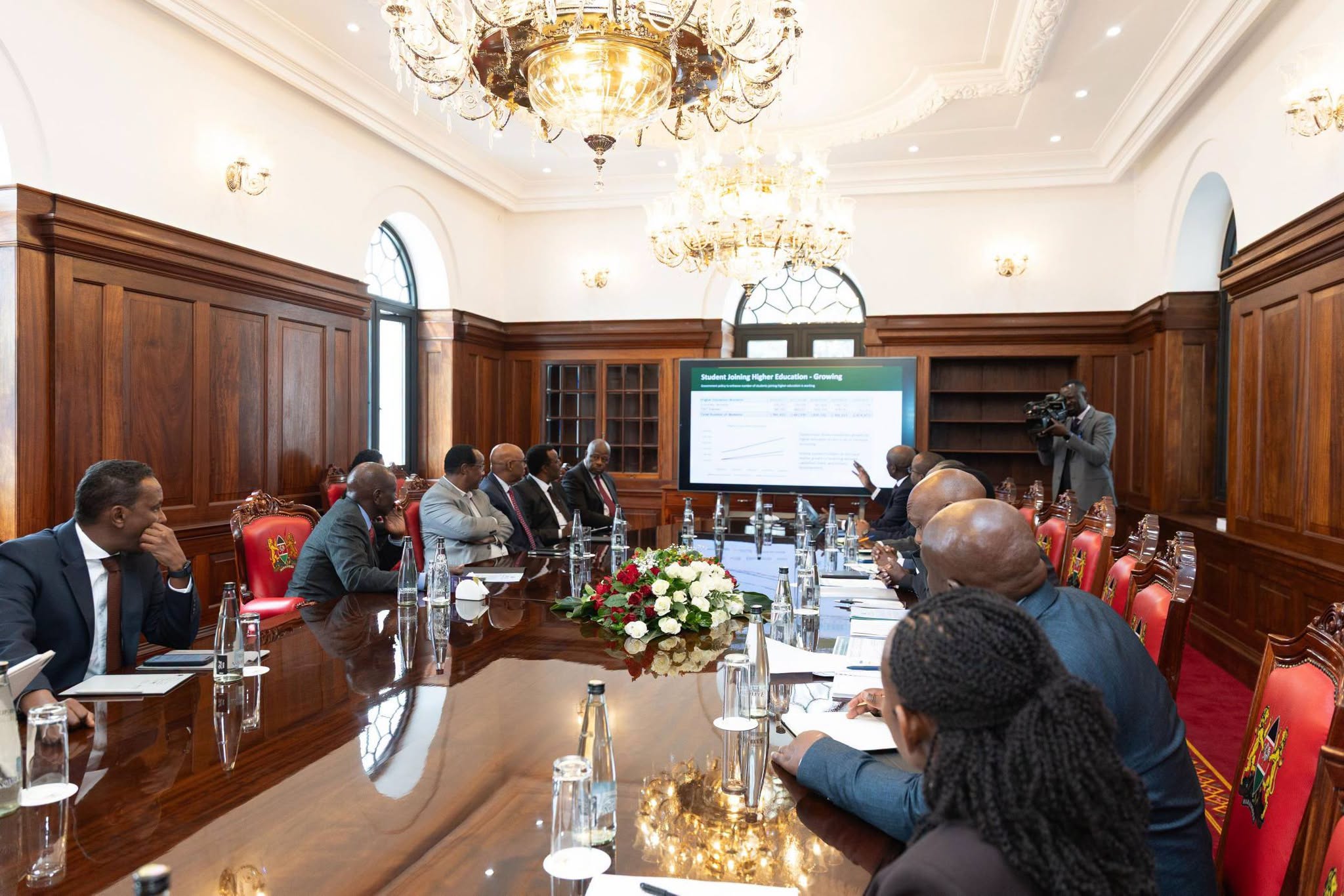
Structural updates aim to establish a funding cycle where beneficiaries eventually support the system that empowered them. The model is engineered to provide immediate relief to underprivileged households while ensuring the financial health of technical vocational education and training (TVET) institutions and public universities. Creating a balanced ecosystem will unlock crucial resources for early childhood, primary, and secondary learning tiers.
“We are strengthening the funding model to guarantee universal access to higher education through a self-sustaining financing framework. The reforms will ensure every qualified student can access higher education and contribute to its financing once they join the workforce, creating fiscal space to strengthen investment in primary and secondary education while securing the long-term sustainability of our universities and TVET institutions,” Ruto noted.
Budget adjustments parallel massive expansion efforts within the TVET sub-sector, where trainee populations have grown from 341,000 to over 718,000. National expenditure in education has similarly surged past the Sh702 billion mark to facilitate modern infrastructure, dual training frameworks, and the recruitment of qualified instructors. The state aims to eventually accommodate two million trainees in technical fields to boost national productivity.
The administration views educational adjustments as the baseline for turning Kenya into a competitive, knowledge-based economy. Empowering young citizens with relevant technical competencies allows the country to navigate global shifts like artificial intelligence, automation, and green technology. The President reiterated that equal opportunity in education remains the ultimate catalyst for widespread social and economic transformation.
“Investing in human capital remains central to our plan of transforming Kenya into a more productive, competitive and prosperous nation. We will continue strengthening our education system to ensure every Kenyan has an equal opportunity to acquire knowledge, develop skills and realise their full potential. “
Government planners recognize that the success of the higher education funding architecture depends heavily on transparency, efficiency, and full cooperation from all sector heads. Education Cabinet Secretary Julius Migosi Ogamba recently stepped forward to champion these institutional changes during multi-sectoral conferences. Top education officials want to ensure that public resources yield tangible academic returns.
Aligning Technical Competencies with Industrial Development
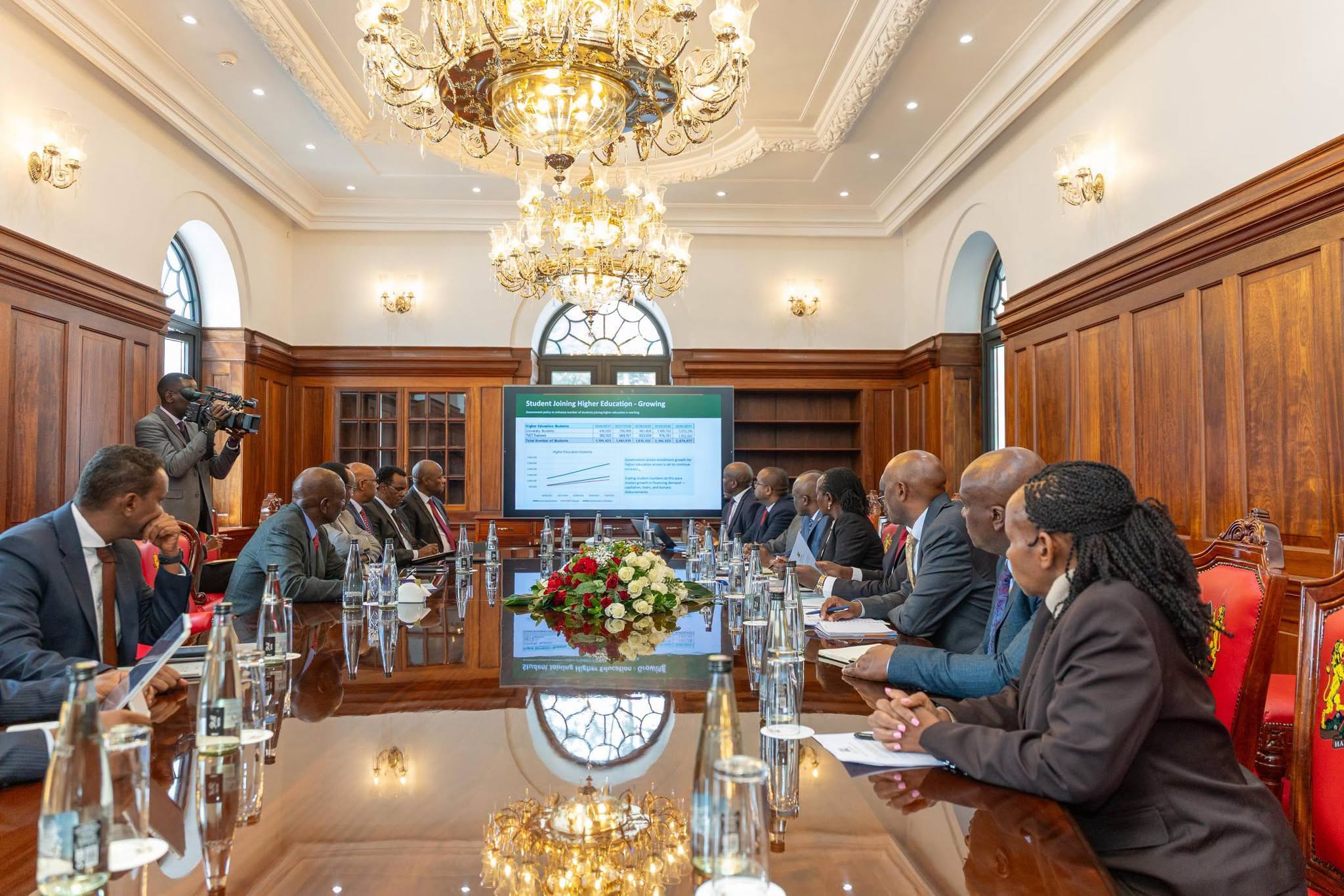
The state continues to implement parallel interventions across national polytechnics to transform standard curricula into production-driven environments. Technical institutes now receive specialized directives to establish active cottage industries within their campuses. Creating functional factories inside learning environments offers trainees immediate exposure to industrial manufacturing while generating independent revenue for the schools.
Policy shifts emphasize practical problem-solving over standard classroom evaluation to ensure graduates remain highly marketable. Education experts have raised alarms over the rising skill mismatch where university graduates struggle to find employment despite holding valid credentials. The newly introduced Recognition of Prior Learning framework directly addresses this gap by validating informal skills acquired in the field.
Expanded budgets allow the government to acquire advanced equipment, expand physical classrooms, and roll out widespread dual training schemes. Partnering with private sector firms guarantees that students spend half of their learning time inside actual corporate production lines. This immersive approach aims to build a competitive workforce capable of spearheading regional industrialization across East Africa.
READ: Shelly-Ann Fraser-Pryce Leads Tributes After Death of Legendary Track Coach Stephen Francis
The state department for TVET is currently working with regional polytechnics to build solid implementation frameworks based on recent research findings. Institutional heads must move away from simply producing academic papers and instead prioritize research commercialization. Funding will follow innovations that show clear potential for market scalability and immediate job creation.
Long-term economic survival requires a massive pool of technical experts specializing in green energy, climate-smart agriculture, and digital infrastructure. Natural resources alone can no longer sustain national growth in a highly digitized global marketplace. The ongoing financing and curriculum overhaul remains Kenya’s primary vehicle for securing sustainable fiscal space and industrial dominance.
The Ministry of Education has committed to working closely with university chancellors and polytechnic principals to monitor the daily execution of these financial guidelines. Regular performance audits will ensure that the operational subsidies disbursed to these institutions directly benefit classroom quality and infrastructure expansion. Government representatives emphasize that the next phase of reforms will eliminate bureaucratic leakages that previously crippled public universities.
Kenya is positioning its youth to capture international labor opportunities by globalizing local training standards. The introduction of standardized certification systems ensures that a graduate from a local technical institute possesses skills recognized by multinational corporations. The presidency views this alignment as an essential step toward reducing domestic unemployment and boosting diaspora remittances through a highly skilled workforce.