
Shisha Industry Faces KSh5 Million Penalty as Parliament Considers Tougher Control Laws

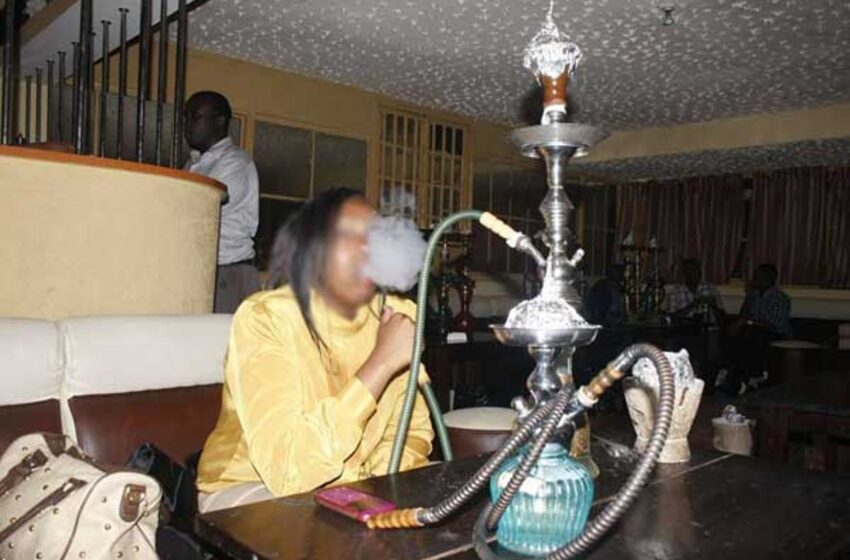
A woman smoking shisha. [Photo/nation.co.ke]
Kenya’s entertainment and hospitality industry could face a significant regulatory shake-up following the introduction of proposed amendments seeking to criminalise the manufacture, importation, sale and promotion of shisha across the country. The proposed measures place nightclub operators, distributors, manufacturers and other businesses dealing in tobacco-related products under renewed scrutiny.
The Alcoholic Drinks and Drugs Control Laws (Amendment) Bill, 2026, sponsored by National Assembly Majority Leader Kimani Ichung’wah, seeks to strengthen the country’s legal framework governing alcohol, tobacco and other controlled substances. Among its most consequential provisions is a proposed prohibition targeting shisha and nicotine pouches, with offenders facing fines of up to KSh5 million, imprisonment for up to 10 years, or both.
The legislation comes amid growing government efforts to address substance abuse, protect public health and tighten supervision of businesses involved in the distribution of regulated products. However, its potential economic consequences have already raised concerns among industry stakeholders, particularly those operating within Kenya’s hospitality and entertainment sectors.
“Enforcing severe statutory penalties on prohibited substance distribution aligns Kenya’s public health framework with regional trade standards,” stated a public policy legal practitioner in Nairobi. “Mandatory license forfeitures ensure commercial entertainment establishments strictly comply with national drug control directives.”
Read Also: Pharmacy Board Looks to Shape Future of Pharmaceutical Practice
Ichung’wah’s Legislative Push and the Proposed Shisha Prohibition
The Bill represents a broader attempt to reorganise how Kenya regulates the manufacture, distribution, advertising and consumption of alcoholic drinks and other controlled products.
Introduced for its First Reading in the National Assembly on November 5, 2026, the proposed legislation seeks amendments across several existing laws. Its tobacco-related provisions specifically target shisha, extending regulatory restrictions to the manufacture, sale, promotion, distribution and use of the product.
The proposed definition of shisha covers flavoured and non-flavoured tobacco products that may contain molasses, honey, vegetable glycerol and other natural or artificial flavouring ingredients.
This definition is significant because shisha products are frequently marketed through different flavour combinations and preparation methods. By establishing a broader statutory definition, lawmakers intend to limit opportunities for businesses to evade restrictions through product descriptions or alternative marketing approaches.
The Bill also proposes prohibiting individuals and businesses from allowing, facilitating, encouraging or promoting shisha smoking in Kenya.
According to reporting by the Daily Nation on November 7, anyone contravening the proposed provisions could face a fine not exceeding KSh5 million, imprisonment for a term not exceeding 10 years, or both.
The proposed penalties would represent a substantial deterrent against commercial involvement in the prohibited activity.
How the Proposed Amendments Interact With Existing Laws
The legislative proposals must be considered alongside Kenya’s existing regulatory framework, particularly the Alcoholic Drinks Control Act (Cap 121), the Public Health Act (Cap 242) and the country’s tobacco-control legislation.
The Alcoholic Drinks Control Act provides the foundation for regulating the production, distribution, sale and consumption of alcoholic beverages. The proposed amendments seek to expand the regulatory framework and introduce additional restrictions on businesses dealing in controlled products.
The Tobacco Control Act also provides an important statutory foundation for regulating tobacco products, advertising, promotion and public exposure to tobacco smoke. The proposed shisha restrictions seek to strengthen this framework by specifically addressing waterpipe tobacco products and related activities.
Meanwhile, the Public Health Act provides broader powers for addressing activities that threaten public health. Its enforcement framework allows authorised public health officers to investigate and respond to public health risks within their respective mandates.
Read Also: KNEC Grade 10 Assessment 2026: Guidelines, Timelines & School Requirements
The interaction between these laws will be important in determining how the proposed restrictions are implemented, particularly where entertainment establishments operate under multiple licences and regulatory requirements.
However, the proposed KSh5 million and 10-year penalties should not be confused with the general penalty provisions applicable to every offence under the Alcoholic Drinks Control Act.
Entertainment Businesses Face Increased Compliance Pressure
The hospitality industry is among the sectors likely to experience the most immediate commercial consequences if Parliament approves the shisha prohibition.
Nightclubs, lounges, bars, restaurants and entertainment establishments that previously offered shisha services would need to reconsider their business models.
Operators could be required to remove shisha equipment, discontinue related services and review their supplier agreements to ensure that prohibited products are no longer distributed through their premises.
The proposed restrictions also raise questions about licensing consequences for businesses that fail to comply.
Although the KSh5 million penalty and imprisonment provision is specifically directed at shisha-related offences, businesses could face additional regulatory consequences under applicable licensing and enforcement frameworks.
The extent of any mandatory licence revocation must, however, be assessed against the actual provisions of the enacted legislation rather than assumed from the proposed criminal penalties.
County governments and relevant regulatory agencies will also have an important role in ensuring that enforcement responsibilities are clearly understood.
ABAK Raises Economic Concerns Over Proposed Restrictions
The proposed legislation has attracted opposition from the Alcoholic Beverages Association of Kenya (ABAK), which has called for the withdrawal of the Bill in its current form.
The association argues that the proposed regulatory changes could impose disproportionate compliance costs on legitimate businesses while creating opportunities for illicit operators to expand their activities.
ABAK has warned that thousands of jobs could be threatened if the proposed restrictions are implemented without sufficient consultation and consideration of their economic implications.
The association has also raised concerns about potential revenue losses, arguing that excessive restrictions could push consumers towards unregulated suppliers and undermine legitimate commercial operations.
Its position introduces an important economic dimension to the parliamentary debate: how can Kenya strengthen public health protections without destabilising businesses that operate within the existing legal framework?
The concerns extend beyond shisha because the Bill also proposes changes affecting the wider alcohol industry, including restrictions on sales locations, advertising, distribution and the minimum legal drinking age.
ABAK’s opposition therefore reflects broader concerns about the cumulative impact of the proposed regulatory measures.
Legislative Pillars and Compliance Implications
| Legislative pillar | Statutory provision / amendment | Enterprise compliance impact |
|---|---|---|
| Shisha manufacture, importation and sale | Proposed amendments to tobacco-control legislation under the 2026 Bill | Businesses would be prohibited from manufacturing, importing, selling, distributing or promoting shisha products if the provisions become law. |
| Shisha-related penalties | Proposed offence provisions in the 2026 Bill | Offenders could face fines of up to KSh5 million, imprisonment for up to 10 years, or both. |
| Public health enforcement | Public Health Act (Cap 242) and applicable enforcement provisions | Authorised public health officers retain their statutory inspection and enforcement responsibilities. |
| Commercial licensing | Applicable national and county licensing frameworks | Entertainment businesses would need to review their licences and comply with relevant regulatory requirements. |
| Public participation | Article 118 of the Constitution and National Assembly Standing Orders | Stakeholders can submit representations on the proposed restrictions before parliamentary consideration advances. |
Public Participation Will Shape the Final Legislative Outcome
The next significant stage will involve parliamentary scrutiny and public participation, which are essential components of Kenya’s legislative process.
Article 118 of the Constitution requires Parliament to facilitate public participation and involvement in its legislative and other business.
The National Assembly’s committee process will therefore provide an opportunity for affected businesses, public health organisations, county governments, legal practitioners and members of the public to present their views.
This stage will be particularly important for examining whether the proposed penalties are proportionate, whether enforcement responsibilities are adequately defined and whether businesses will receive sufficient guidance when transitioning to the new regulatory framework.
Industry representatives are also likely to push for evidence-based restrictions that distinguish between legitimate commercial operations and unlawful distribution networks.
The final wording of the legislation could consequently change following stakeholder submissions and parliamentary amendments.
Kenya’s Public Health Priorities Meet Commercial Interests
The proposed shisha prohibition places Kenya’s public health priorities against the economic interests of businesses operating within the hospitality and entertainment industry.
Supporters of tougher controls are likely to view the proposed penalties as necessary deterrents against products associated with tobacco-related health risks. Industry stakeholders, meanwhile, want Parliament to consider the employment, investment and revenue implications of the proposed restrictions.
The debate also carries regional significance, with Uganda, Tanzania and Rwanda having introduced restrictions against shisha, providing neighbouring examples of regulatory approaches to waterpipe tobacco products.
Ultimately, the success of the proposed legislation will depend on more than the severity of its penalties. Effective enforcement, institutional coordination, clear licensing requirements and meaningful public participation will determine whether the reforms achieve their intended objectives.
Read Also: Top Comoros Official Hospitalized in Nairobi Amid Rising Tensions in Moroni
Until Parliament completes its consideration and the Bill receives presidential assent, the proposed shisha prohibition and its associated penalties remain legislative proposals rather than enforceable new law.
For Kenya’s entertainment industry, the parliamentary process now presents an opportunity to understand the proposed changes, raise legitimate concerns and prepare for a potentially significant transformation of the country’s tobacco-control framework.

