
Tanzanian Runner Elibariki Buko Spearheads Next Generation Of Olympic Track Prospects


Tanzania has a storied history in global athletics, defined by legendary figures who shook the world in the late 20th century. The current generation of distance runners is attempting to reclaim that lost glory on the track.
Elibariki Buko, a rising star supported by the Tanzania National Parks Authority (TANAPA), represents the vanguard of this athletic renaissance. His journey highlights both individual determination and the critical role of corporate-state sponsorship in modern sports development.
Strategic Sponsorship In East African Sports
Institutional backing is shifting the landscape of East African athletics. TANAPA, operating under the Ministry of Natural Resources and Tourism, provides a blueprint for how state corporations can foster elite talent.
By offering stable employment, dedicated training windows, and adequate facilities, the authority removes the financial anxiety that frequently derails promising athletic careers in developing nations.
This model mirrors successful global programs where military, police, or state enterprises employ athletes, allowing them to focus entirely on high-performance training.
Sports Tourism As A National Strategy
Investing in athletes like Buko serves a dual purpose for Tanzania. Elite runners act as global brand ambassadors for the country’s rich tourism sector.
When a Tanzanian athlete competes in international meets across Europe or North America, they showcase the nation’s identity. This organic visibility directly promotes iconic destinations like the Serengeti, Ngorongoro, and Mount Kilimanjaro to global audiences.
The Corporate Partnership Blueprint
- Financial Stability: Consistent salaries ensure athletes can afford high-quality nutrition and medical care.
- Infrastructure Access: Institutional backing opens doors to high-altitude training camps in regions like Njombe and Arusha.
- Career Security: Athletes gain long-term career paths within the organizations after retiring from competitive sports.
Technical Benchmarks For Los Angeles 2028
The road to the 2028 Olympic Games in Los Angeles requires meeting some of the most stringent qualification times in sports history. World Athletics has steadily lowered qualifying thresholds to manage field sizes and elevate competition levels.
Buko faces the formidable task of bridging the gap between regional dominance and international elite standards. His training regimen focuses on the marginal gains needed to shave crucial seconds off his personal bests.
Comparing Regional Times Against International Standards

Understanding the scale of the challenge requires analyzing local performance metrics alongside the official global benchmarks.
|
Event Category |
Buko Recent Performance Metrics |
Official World Athletics Olympic Standards |
Required Performance Variance |
|
1500M Track |
Third Place Finish (Njombe 2026) |
3:33.50 Minutes |
Elite Pace Transition Required |
|
The Mile (1600M) |
4:21.00 Minutes (South Africa) |
3:50.40 Minutes |
30.60 Seconds Reduction Needed |
|
5000M Track |
14:44.00 Minutes (Shimuta) |
13:05.00 Minutes |
1:39.00 Minute Improvement Target |
Historical Foundations Of Tanzanian Running
The pursuit of global medals is deeply rooted in the triumphs of the past. Giants like Filbert Bayi and Suleiman Nyambui established Tanzania as a formidable distance-running nation during the 1970s and 1980s.
Bayi famously broke the 1500-meter world record at the 1974 Commonwealth Games, while Nyambui secured an Olympic silver medal in the 5000 meters at the 1980 Moscow Games. These historic milestones serve as a constant source of inspiration and a reminder of what is possible.
The Modern Inspiration Shift
This rich running heritage creates a direct line of succession to modern marathon pioneers. The historic gold medal victory by Alphonce Simbu at the 2025 World Marathon in Tokyo proved that Tanzanian athletes can still conquer world-class fields.
Simbu’s success has successfully bridged the gap between the legends of the 20th century and the rising generation. This powerful combination of past track glory and contemporary road racing triumphs directly shapes the elite mindset of younger competitors like Elibariki Buko as they eye the world stage in 2028.
Regional Training Ecosystems and Microclimates
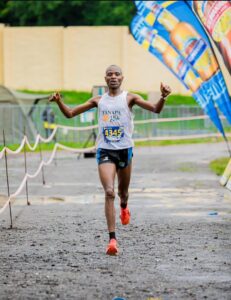
Tanzania possesses ideal geographical conditions for nurturing endurance athletes. Regions like Njombe, Kitulo, and Arusha offer high-altitude environments that naturally enhance oxygen-carrying capacity.
Buko’s recent victories at the Kitulo Garden Marathon and strong showings in Njombe underscore the strategic importance of domestic competitions held in these challenging terrains.
Maximizing High-Altitude Adaptation
Training at elevations above 2,000 meters forces the human body to produce more red blood cells. Local athletic programs increasingly utilize these natural advantages to build base cardiovascular endurance before sending athletes to lower altitudes for speed work.
The integration of scientific training principles with these geographical gifts remains key to unlocking future podium finishes on the world stage.

