
Tea Sector Digitalization Drive 2026: Smart Weighing, App Integration, Factory Automation

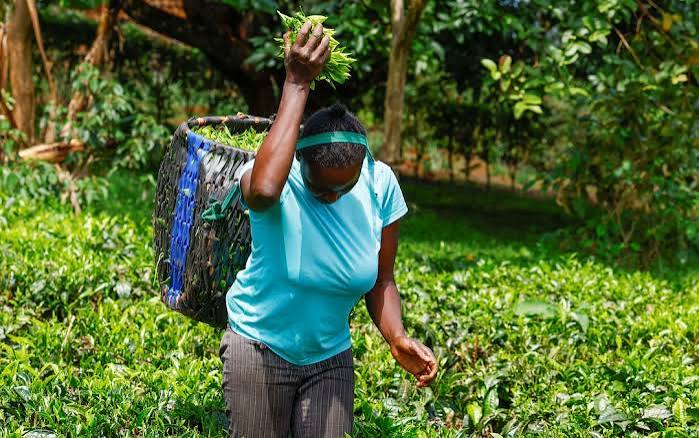
Kenya’s tea industry is entering a more technology-driven phase as electronic weighing systems, mobile applications, factory automation and cleaner energy solutions reshape how green leaf moves from farms to processing plants.
The transformation is particularly significant for smallholder farmers whose earnings depend on accurate records of the tea they deliver. A discrepancy at a buying centre can affect factory records, payment reconciliation and ultimately the income received by a grower.
In August 2026, the government directed the Kenya Tea Development Agency (KTDA) to introduce a Digital Green Leaf Payment System designed to connect tea delivered at buying centres with digital payment records. The system is intended to reduce manipulation of weighing records, improve transparency and accelerate payment processes. Government’s Digital Green Leaf Payment System announcement.
PAY ATTENTION: Follow Kenya Frontline WhatsApp channel for more new
The initiative builds on technology already deployed across parts of the smallholder tea network, including electronic weighing equipment, personal digital assistants, server systems and the KTDA Farmers App. KTDA technology and electronic weighing systems
Digital Weighing Scale Inspection, Compliance
The weighing point remains one of the most sensitive stages in the tea supply chain.
Every kilogramme recorded at a buying centre becomes part of a farmer’s production history. If that figure is inaccurate, the problem can move through several stages of the value chain before it is detected.
KTDA has previously implemented electronic weighing solutions to replace vulnerable manual processes. According to the agency, electronic scales work alongside personal digital assistants, portable printers and server software, allowing green leaf weights to be captured electronically and transmitted to factory systems without manual intervention. KTDA electronic weighing system details
The agency has also introduced anti-tampering technology. In 2024, KTDA completed the installation of GSM-enabled anti-tampering devices on green leaf weighing scales. The technology is designed to detect attempts to interfere with weighing equipment and trigger alerts to factory officials. KTDA anti-tampering weighing-scale measures
The move followed inspections in which authorities identified cases involving allegedly doctored weighing scales. The Tea Board of Kenya, working with weights and measures officials, has previously participated in inspections of tea buying centres where scales were checked or removed for recalibration. Tea weighing-scale inspection report
The regulatory framework also places emphasis on proper verification of green leaf weights. The Tea Registration and Licensing Regulations 2025 provide the legal framework governing tea-sector participants, including green leaf transportation and other activities across the value chain. Tea Registration and Licensing Regulations 2025
Digital weighing does not eliminate the need for physical inspections. Scales still require calibration, equipment needs maintenance and operators must follow established procedures. Technology therefore works best when combined with regular verification, supervision and enforcement.
KTDA App Integration, Digital Records
The next major change is taking place after the leaf is weighed.
KTDA has developed a wider digital ecosystem intended to connect farmer information, weighing records, factory systems and payment information.
The agency has previously highlighted the combination of its SAP ERP platform, enhanced Electronic Weighing System and KTDA Farmers App as technology solutions designed to improve efficiency across the tea value chain. KTDA SAP ERP, Electronic Weighing System, Farmers App integration
The advantage of this approach is straightforward: the further a transaction can travel electronically, the fewer opportunities there are for information to be altered during manual transfers.
Read Also: Pharmacy Board Looks to Shape Future of Pharmaceutical Practice
A digital weighing transaction can associate the farmer with the recorded quantity and the relevant buying centre. That information can then become part of the factory’s wider operational records.
The KTDA Farmers App has also expanded the amount of information growers can access through their mobile phones. KTDA has said the platform provides information relating to green leaf weights, payments and other tea-sector services. KTDA Farmers App information
The agency previously rolled out the application alongside SMS and USSD services to give farmers access to account and delivery information. The USSD service has also been used for enquiries concerning green leaf deliveries and payment status. KTDA mobile app, SMS, USSD services
The 2026 digital payment proposal takes that process further by linking delivery information directly to payment.
The government said the proposed system would digitally capture daily, weekly or monthly green leaf deliveries before connecting those records with farmers’ payment information. The stated objective is to reduce manipulation at collection points while making payments more transparent. Digital Green Leaf Payment System details
For growers, the important question is whether the technology allows them to independently compare what they delivered with what appears in their records.
Tea Sector Technology Matrix
| Tech Tool | Operational Function | Supply Chain Benefit |
|---|---|---|
| Electronic weighing scales | Digitally capture green leaf weight | Reduces manual recording errors |
| GSM anti-tampering devices | Detect interference with scales | Creates alerts around suspected manipulation |
| Farmer identification systems | Link deliveries to individual growers | Improves traceability |
| KTDA Farmers App | Provides farmer delivery and payment information | Improves transparency |
| ERP systems | Connect operational and financial records | Strengthens reconciliation |
| Automated processing machinery | Controls processing operations | Improves consistency and productivity |
| Energy monitoring systems | Track industrial energy use | Helps identify efficiency opportunities |
| Solar or hydropower systems | Provide alternative energy sources | Can reduce reliance on conventional energy |
Factory Automation, Processing Efficiency
Digitalisation does not stop at the buying centre.
Inside factories, automation is becoming an increasingly important part of the modernization agenda.
Tea processing involves several stages where temperature, timing, airflow and moisture levels influence the final product. Automated machinery can help operators maintain greater consistency while reducing reliance on manual intervention.
KTDA has invested in modern processing equipment and continues to pursue factory modernization. Its procurement programmes have included machinery such as automated withering equipment, continuous fermenting machines and fluid-bed driers.
The shift matters because factory efficiency has a direct connection with production costs.
Older equipment can require more maintenance, consume more energy and restrict production capacity. Modern machinery can potentially improve throughput while giving operators better control over processing conditions.
The government has also increased its support for factory modernization. In August 2026, Chebut Tea Factory received Sh79.1 million for modern machinery, with officials saying the investment would help improve productivity, quality and production costs.
A broader government programme has also targeted modernization across smallholder tea factories, reflecting growing attention to technology as part of efforts to improve farmer returns and competitiveness.
Read Also: Kenyan marathoner remanded over Ksh8 million land fraud case
Smart Fermentation, Automated Drying
Fermentation is one of the critical stages of black tea production.
Greater use of sensors, automated controls and monitoring equipment can allow factories to track processing conditions more consistently. Rather than relying entirely on manual observation, operators can use data from equipment to make decisions during production.
Automated drying technology is similarly important.
Drying requires careful control because excessive or inadequate drying can affect quality. Modern systems can help factories regulate temperature and airflow while maintaining more consistent processing conditions.
The wider objective is not simply to install sophisticated machinery. Factories need systems that collect useful operational data and allow managers to identify inefficiencies.
That is where automation begins to intersect with digital management.
A factory that can track green leaf volumes, processing conditions, energy consumption and finished-tea output has a stronger basis for identifying losses and controlling costs.
Green Energy, Climate-Smart Processing
Energy remains one of the biggest considerations in tea processing.
Tea factories require substantial amounts of heat and electricity, particularly during drying and other processing stages. Rising operating costs have therefore increased interest in alternative energy sources and efficiency measures.
KTDA has been developing small hydropower projects while exploring additional renewable-energy options, including solar power.
The move forms part of a broader sustainability strategy aimed at reducing the environmental and financial pressures associated with factory energy consumption.
Solar installations could provide factories with an additional electricity source, while hydropower can offer a renewable alternative where suitable water resources exist.
The transition also has a marketing dimension.
International tea buyers are increasingly interested in sustainability, traceability and environmental performance. A factory capable of demonstrating efficient energy use and lower emissions could strengthen the sustainability credentials of Kenyan tea.
Technology Must Translate Into Farmer Confidence
The digital transformation of Kenya’s tea sector creates a stronger framework for accountability, but technology itself is not the final measure of success.
Electronic scales must remain properly calibrated. Mobile applications need reliable data. Factory systems require accurate inputs. Connectivity problems need backup mechanisms, while farmers need sufficient awareness to use digital services effectively.
The Tea Board of Kenya’s digital platforms are also part of this wider transformation, with online systems being used to streamline regulatory and registration processes. Tea Board of Kenya ePortal
Ultimately, the success of digitalisation will be measured at farm level.
If a grower delivers 100 kilogrammes of green leaf, the system should make it possible to trace that transaction from the buying centre to the factory record and eventually to the farmer’s payment statement.
Read Also: Top Comoros Official Hospitalized in Nairobi Amid Rising Tensions in Moroni
That is where KTDA app digital green leaf weighment, Tea Board of Kenya electronic scale compliance, automated tea processing technology 2026 and agtech tea supply chain transparency Kenya converge.
Kenya’s tea-sector digital drive is therefore about more than replacing paper with screens. It is about creating a traceable chain in which every kilogramme has a verifiable record, processing stages can be monitored and payments can be reconciled more efficiently.