
Whispers of Lake Kivu: Congolese refugee woman overcoming breast cancer

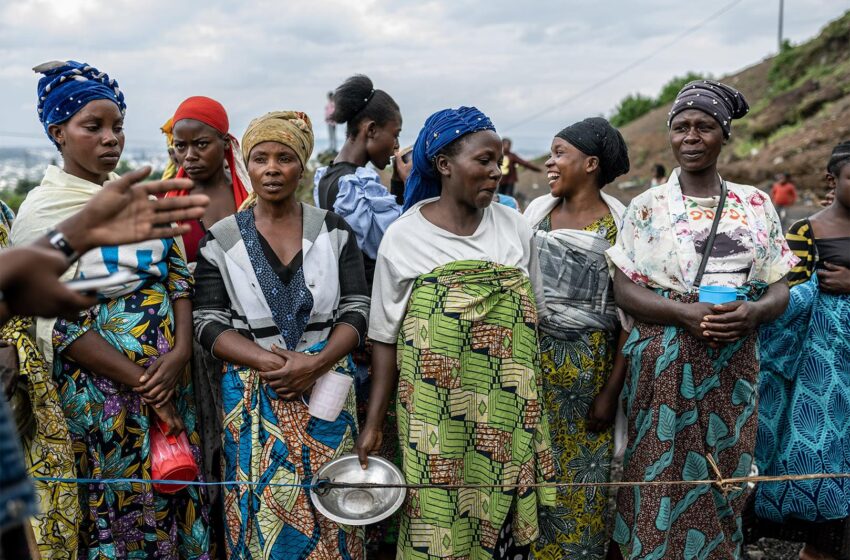
A group of women reflecting on the challenges faced by other women confronting breast cancer.
The morning breeze drifted across Lake Kivu, carrying the familiar sounds of fishermen preparing their boats and traders arranging their goods along the shores of Goma, in the eastern Democratic Republic of the Congo (DRC). Alice (not her real name), a 38-year-old mother of three, built her life around her children, her small business and the determination to give her family a better future.
However, a discovery that initially seemed insignificant would soon change everything she understood about life, courage and survival. Alice first noticed a small lump in her left breast while bathing. It was painless, and she convinced herself it was nothing serious.
Days became weeks, but the lump remained. Occasionally, Alice felt an uncomfortable heaviness in her breast. Fear began to replace reassurance, yet the thought of visiting a hospital worried her. Medical expenses, household responsibilities and uncertainty about what doctors might discover weighed heavily on her mind.
“I have children who depend on me. What would happen to them if something terrible were wrong?” Alice wondered, struggling to push the frightening possibilities out of her mind.
Read Also: Pharmacy Board Looks to Shape Future of Pharmaceutical Practice
A Diagnosis That Changed Everything
Eventually, Alice confided in her sister, Marie, who encouraged her to seek medical attention. After several difficult conversations, Alice gathered enough money for a hospital consultation. The examination led to further tests, and she was advised to undergo a biopsy to determine the nature of the lump.
The waiting period was agonising. Every passing day brought new questions, while the fear of leaving her children without their mother became increasingly difficult to control.
The diagnosis finally arrived: breast cancer.
Alice sat silently as the medical professional explained the results. The word cancer seemed to erase every ordinary sound around her. She thought about her youngest child, who still needed help with everyday tasks, and her two older children, who looked to her for guidance and security.
“I had heard people talk about cancer, but I never imagined I would hear those words about myself,” Alice reflected in this fictional account. “For a moment, I could not think about anything except my children.”
Her first reaction was disbelief. She had always associated cancer with advanced illness and death. Nobody in her immediate family had openly discussed the disease, and she had little knowledge of the treatment options available.
According to the World Health Organization’s breast cancer fact sheet, breast cancer develops when abnormal breast cells grow uncontrollably and form tumours. Early detection and appropriate treatment can improve outcomes, although the right treatment depends on the individual diagnosis and stage of the disease.
Understanding that a diagnosis did not automatically mean the end of her life became Alice’s first small step towards hope.
The Cost of Fighting for Survival
Hope, however, could not erase the practical difficulties ahead. Alice earned a modest income from selling vegetables and household goods. Her business paid the rent, bought food and covered her children’s school expenses. Regular hospital visits threatened the fragile financial balance that kept her household running.
Doctors discussed the need for additional investigations and a treatment plan based on her condition. Alice soon realised that her journey would demand more than courage. She would need money, reliable medical guidance, emotional support and the strength to continue through uncertainty.
Transport to appointments consumed part of her daily earnings. Some days, she returned home exhausted, worried about the next consultation and wondering how she would explain the situation to her children.
Marie became her closest source of support. She accompanied Alice to appointments whenever possible, helped organise household responsibilities and reminded her that asking for assistance was not a sign of weakness.
“You do not have to carry everything alone,” Marie told her. “We will face this one day at a time.”
Read Also: Top Comoros Official Hospitalized in Nairobi Amid Rising Tensions in Moroni
The women also searched for trustworthy information about the disease. They found guidance through the WHO Global Breast Cancer Initiative, which promotes earlier diagnosis, timely access to treatment and comprehensive breast cancer care.
Alice learnt that treatment could involve surgery, radiotherapy, chemotherapy, hormonal therapy or other approaches, depending on the type and stage of the cancer. She also understood why decisions had to be made with qualified healthcare professionals rather than through rumours or unverified remedies.
Facing Fear and Breaking the Silence
The physical challenges were only part of Alice’s struggle. She worried about changes to her appearance, the possibility of losing her hair and how other people would treat her if they discovered her diagnosis.
Some neighbours offered encouragement, but others repeated frightening stories about cancer. Their comments deepened her anxiety and made her reluctant to discuss her condition openly.
Alice initially kept the diagnosis within her immediate family. She did not want pity, gossip or questions she could not answer. Yet silence also left her feeling isolated.
One afternoon, after returning from a hospital appointment, she spoke honestly with her eldest child. She explained that she was ill and needed treatment, but that doctors were helping her fight the disease. The conversation was emotional, yet it brought relief. Her children could now understand why their mother sometimes felt tired or needed to leave home for medical appointments.
Gradually, Alice began sharing her experience with a few trusted women in her neighbourhood. She encouraged them to seek medical advice if they noticed unusual breast changes and reminded them that fear should not prevent anyone from asking questions.
“I do not want another woman to ignore a warning sign because she is afraid of what the doctor might say,” Alice explained during a conversation with a neighbour. “Getting checked may be frightening, but knowing what is happening gives you a chance to make informed decisions.”
She was careful not to present her experience as a substitute for medical guidance. Instead, she wanted other women to understand the importance of getting checked and learning about available care.
Finding Strength Beside Lake Kivu
Treatment brought difficult days. Alice experienced moments of exhaustion, uncertainty and frustration. Some appointments left her with more questions than answers, and the financial pressure never disappeared completely.
Still, she learnt to measure progress differently. A completed appointment, a conversation with her children or a morning when she could return to her small business became reasons to keep moving forward.
The shores of Lake Kivu remained her place of reflection. Whenever she could, Alice sat near the water and watched the waves move gently towards the land. The lake reminded her that difficult seasons could change, even when the future remained uncertain.
“The lake does not stop moving because the sky becomes dark,” she told Marie one evening. “I want to keep moving forward, even on the days when I feel afraid.”
Read Also: KNEC Grade 10 Assessment 2026: Guidelines, Timelines & School Requirements
Her journey was not a miraculous overnight recovery. It was a continuing struggle shaped by medical care, family support, financial realities and the determination to face each day as it came.
Alice’s story carries a message for women and families across the DRC and beyond: breast cancer deserves attention, compassion and informed medical care. Recognising unusual changes and seeking professional assessment can be important steps towards early diagnosis. No woman should have to face the emotional burden of cancer without support or reliable information.
As the evening sun disappeared behind the hills surrounding Lake Kivu, Alice returned home to her children. She could not predict every turn her journey would take, but she had found something she once feared she had lost: the courage to face tomorrow.