
Why Akonnor Trusts Gor Mahia New Signings

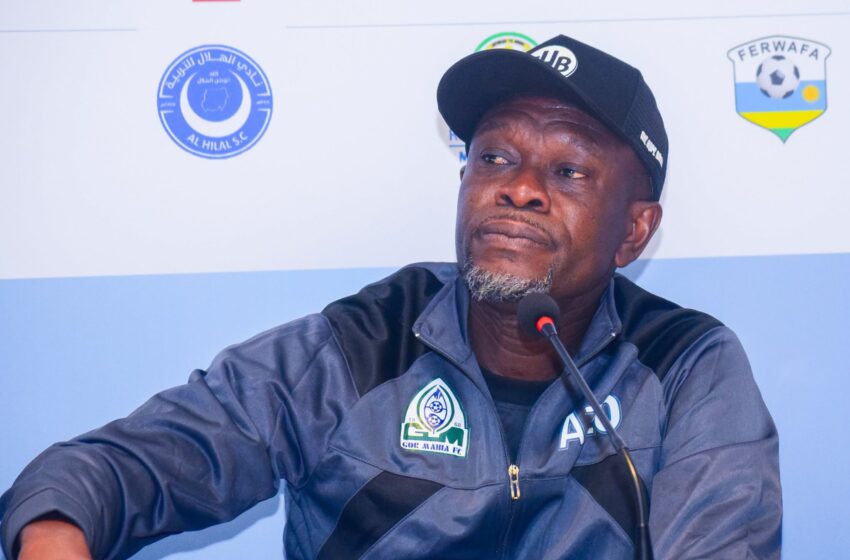
Gor Mahia’s emphatic 5-0 victory over APR FC in the 2026 CECAFA Kagame Cup has given coach Charles Akonnor an early indication that his squad rebuilding is beginning to pay off.
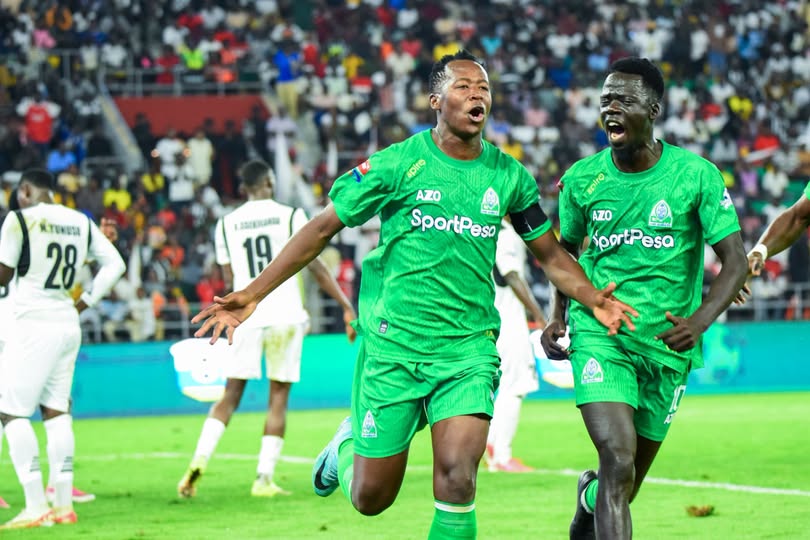
The Kenyan champions were ruthless against the Rwandan champions at Amahoro Stadium in Kigali, with Michael Kibwage, Patrick Esombe, Paul Okoth, Lesley Otieno and Ebenezer Assifuah finding the net. More importantly for Akonnor, several of the club’s new arrivals played important roles in a performance that immediately raised expectations around K’Ogalo’s regional campaign.
The result was particularly encouraging because Gor Mahia had struggled defensively in a 2-0 friendly defeat to Rayon Sports in Kigali shortly before the tournament. Akonnor therefore saw the APR match as evidence of progress, while insisting that one outstanding performance cannot be allowed to create complacency.
“The new players showed great attitude; we are very satisfied.”
Why Gor Mahia invested heavily in new players
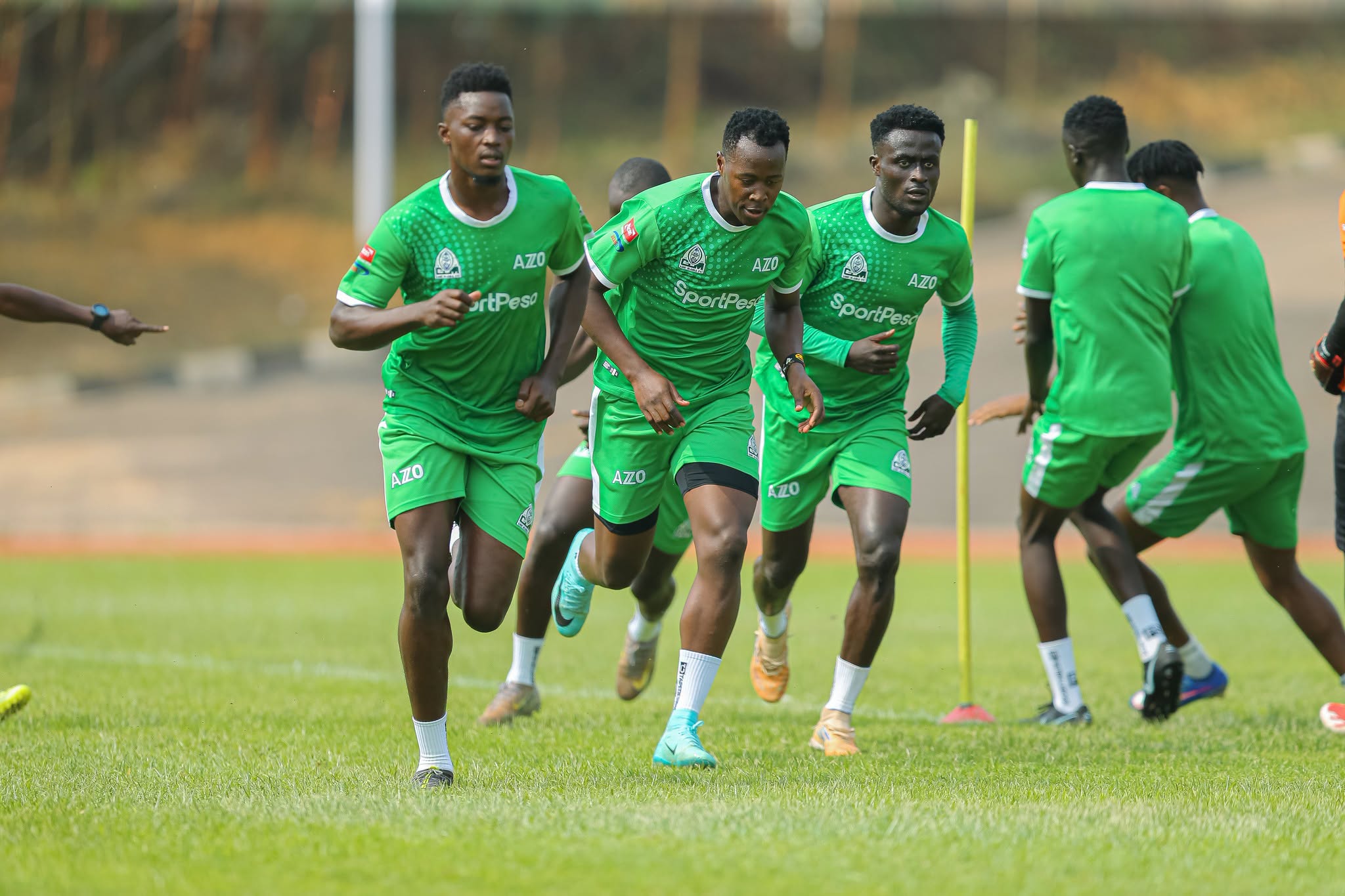
The scale of Gor Mahia’s recruitment has been driven by more than the need to improve the starting XI.
Akonnor has previously explained that the club’s experience towards the end of last season exposed the danger of depending too heavily on a small group of players. With the new campaign expected to combine domestic football with continental commitments, the coach wants enough quality to rotate his squad without dramatically reducing performance levels.
That makes the CECAFA Kagame Cup an important early testing ground.
Rather than viewing the tournament purely as a trophy chase, Akonnor can use the matches in Kigali to assess how quickly his new players understand his tactical demands. The competition also allows the technical team to identify which recruits can handle pressure before the much more demanding CAF Champions League campaign begins.
Gor Mahia new signings who impressed
| Player | Previous club | Impact against APR |
|---|---|---|
| Paul Okoth | Ulinzi Stars | Scored on his competitive debut |
| Lesley Otieno | Nairobi United | Scored after coming on as a substitute |
| Daniel Sakari | Kenya Police | Started at right-back |
| Enock Machaka | Nairobi United | Started in midfield |
| Ebenezer Ocran | Unattached | Came on and added midfield options |
| David Okoth | Kenya Police | Started in attack |
| Ebenezer Assifuah | New arrival | Scored in the 5-0 victory |
Paul Okoth perhaps provided the clearest illustration of what Gor Mahia were hoping to acquire in the transfer market.
The striker arrived from Ulinzi Stars after scoring 18 goals in the previous FKF Premier League season, finishing second in the Golden Boot standings. His goal against APR immediately gave the champions evidence that they may have found another reliable attacking option.
Lesley Otieno also marked his competitive debut in memorable fashion, coming off the bench before adding another goal. That contribution is particularly significant because it demonstrated that Akonnor can potentially alter the game through his substitutes rather than relying exclusively on his starting line-up.
Gor Mahia’s official team sheet for the APR fixture also showed the extent to which Akonnor was willing to trust new arrivals from the outset, with Sakari, Machaka, Paul Okoth and David Okoth all starting.
Why squad depth matters to Gor Mahia
The biggest test of Gor Mahia’s recruitment will not necessarily come against APR.
It will come when the matches begin arriving rapidly and the physical demands increase.
Gor Mahia are expected to compete on several fronts during the new season, including domestic football and the CAF Champions League. That creates a significant workload for a club whose ambitions extend beyond simply retaining the Kenyan league title.
Akonnor has already indicated that travel and the number of matches make squad depth essential. His argument is straightforward: players cannot be expected to maintain peak performance throughout a long campaign if the same core group is repeatedly asked to play every important match.
This is where the new signings could become more valuable than their individual statistics suggest.
A strong squad allows the coach to manage fatigue, respond to injuries and change tactical approaches depending on the opponent. It also creates greater competition for places, potentially raising standards during training.
Gor Mahia must avoid complacency after APR win
The 5-0 result has placed Gor Mahia at the top of Group A on goal difference after the opening round.
Ugandan side Vipers SC also won their opening match 3-0 against Djibouti’s Garde Republicaine, meaning Gor Mahia cannot afford to treat qualification as a formality.
The tournament format makes every group match important.
The three group winners qualify automatically for the semi-finals, with the best-performing runner-up joining them. That means goal difference could become decisive if teams finish level on points.
CECAFA Kagame Cup qualification structure
| Position | Qualification outcome |
| Group A winner | Advances to semi-finals |
| Group B winner | Advances to semi-finals |
| Group C winner | Advances to semi-finals |
| Best runner-up | Advances to semi-finals |
| Other runners-up | Eliminated |
| Third and fourth in group | Eliminated |
For Akonnor, that format creates an interesting balance between rotation and results.
He needs to give his new players enough minutes to accelerate their adaptation, but he cannot rotate so heavily that Gor Mahia surrender points in a competition where one poor result can complicate the route to the semi-finals.
The coach’s comments after the APR victory suggest he understands that distinction.
The Ghanaian tactician praised the new players but stressed that the victory represented only an early step in the process. His concern is not simply whether the recruits can produce one good performance, but whether they can reproduce that standard consistently.
Why the CECAFA Kagame Cup matters financially
The tournament also carries a financial incentive that should not be overlooked.
The 2026 CECAFA Kagame Cup brings together 12 clubs, with the champions set to receive $30,000, while the runners-up earn $20,000 and the third-placed team collect $10,000. The tournament is being staged in Rwanda, with matches taking place in Kigali.
For clubs operating in East African football, prize money of that size can have a meaningful impact.
| Final position | Prize money | Approximate value in Kenyan shillings |
| Champions | $30,000 | Sh3.8 million |
| Runners-up | $20,000 | Sh2.5 million |
| Third place | $10,000 | Sh1.2 million |
The financial reward may not compare with the commercial revenues available in Europe’s major competitions, but it represents useful income for a Kenyan club preparing for an expensive season.
There are also indirect benefits.
A successful regional campaign can raise a club’s profile, give players exposure and create a stronger platform ahead of continental matches. For Gor Mahia, those factors are especially relevant because the club wants to make an impact in the CAF Champions League.
What Charles Akonnor still needs from Gor Mahia
Despite the impressive scoreline, Akonnor knows his team is not yet the finished product.
The coach acknowledged that his players are still working towards full fitness, an understandable situation given that the season is only beginning. The challenge will be turning the promising attacking display against APR into a sustainable identity.
The midfield was another major positive.
Gor Mahia controlled the central areas effectively and moved the ball with greater purpose than they had shown in their previous friendly. That allowed the attacking players to receive better service while also giving the defence greater protection.
The improvement at the back was arguably just as important as the five goals.
After conceding twice against Rayon Sports, Gor Mahia kept APR scoreless and restricted the hosts’ opportunities. The combination of defensive organisation, midfield control and attacking aggression gave Akonnor a more complete performance than the scoreline alone suggests.
Gor Mahia title ambitions face early test
Gor Mahia and APR each have three CECAFA Club Cup titles, making the Kenyan side’s return to the competition particularly significant.
K’Ogalo’s most recent triumph came in 1985, when they defeated rivals AFC Leopards 2-0 in the final in Sudan. Four decades later, the club has another opportunity to strengthen its regional legacy.
However, the path to the title will demand more than one dominant performance.
Gor Mahia must maintain their defensive discipline, keep their new signings progressing and manage the physical demands of a crowded calendar. The squad’s ability to cope with injuries, fatigue and tactical changes could ultimately determine whether the APR victory becomes the foundation of a serious title challenge or simply an impressive opening-night result.
The early signs are encouraging.
Paul Okoth and Lesley Otieno have already announced themselves with goals, while other new arrivals have shown that Akonnor has more options than he did previously. The real measure of Gor Mahia’s recruitment, however, will come when the pressure intensifies.
For now, Akonnor has every reason to be pleased.
The 5-0 victory has strengthened Gor Mahia’s position in Group A, provided an immediate confidence boost to the new players and offered the coach evidence that his squad can compete on multiple fronts.
But the message from the coach remains clear: the rebuilding process has started well, but the real work is only beginning.
Gor Mahia next challenge in CECAFA Kagame Cup
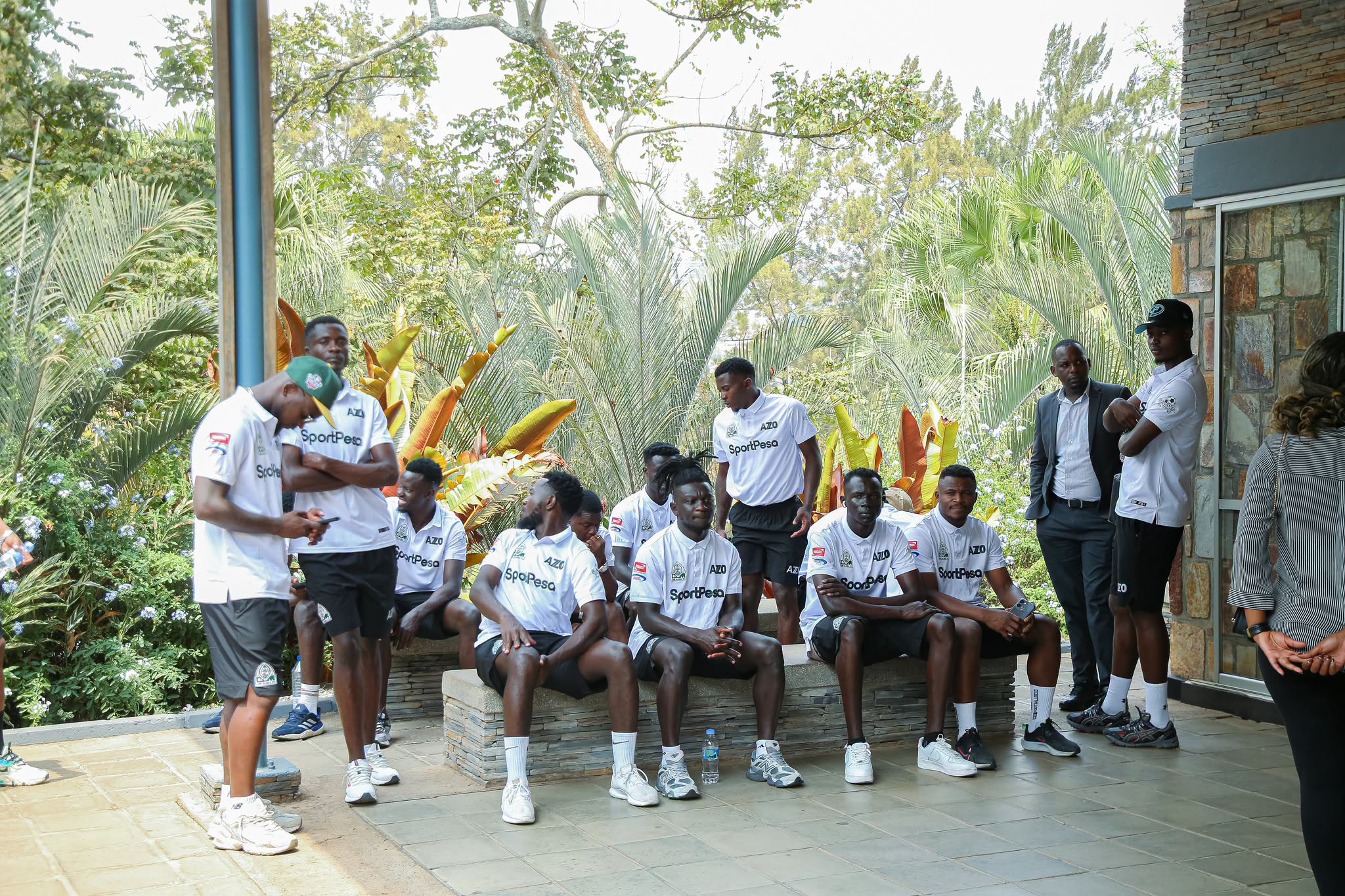
Gor Mahia’s next Group A assignment will provide another opportunity to test their progress against Vipers SC.
Vipers also began the tournament with a victory, setting up an important contest between two sides that have already demonstrated their ambitions. The result could have a major bearing on who finishes at the top of Group A and gains the most favourable route towards the semi-finals.
For Akonnor, the match will be another chance to assess his new squad while maintaining momentum.
The APR result has raised expectations around Gor Mahia, but the coach will want his players to respond with the same discipline and intensity rather than assuming that the tournament has already been won.
That is ultimately why the new signings matter.
They were not recruited simply to produce one spectacular result in Kigali. They were brought in to help Gor Mahia survive a demanding season, compete for domestic honours, make progress in Africa and finally challenge seriously for regional silverware.
The APR victory suggests that process may be moving in the right direction.