
Why Every Kenyan Must Pay Close Attention To Parliament Before 2027

By Tracy Atieno Apondu
Parliament sits at the core of Kenya’s constitutional democracy, shaping how laws are framed and how national resources are distributed across all forty-seven counties.
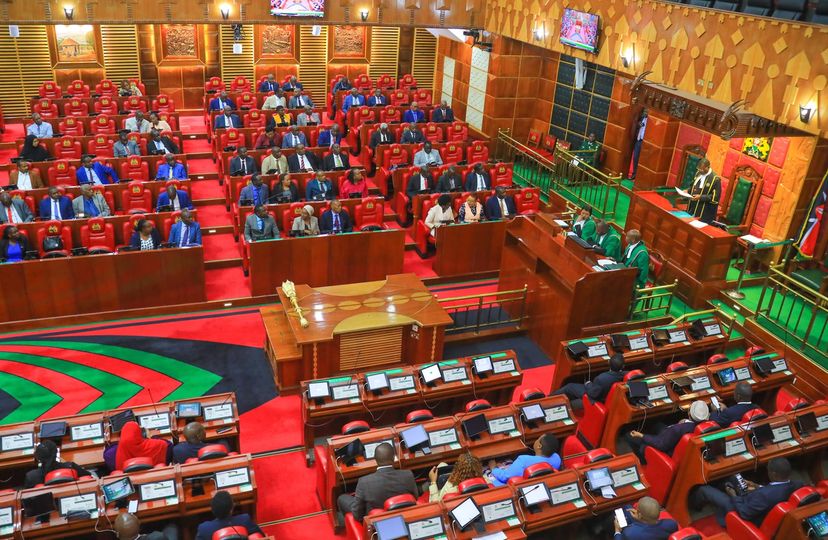
Inside the August House, 349 Members of the National Assembly and 67 Senators gather daily to perform critical duties that dictate our national trajectory.
Beyond the televised political drama and heated parliamentary exchanges, the decisions made within those halls directly alter the daily realities of over fifty million citizens.
Every tax rate approved, every policy enacted, and every annual budget passed echoes directly in our homes, market stalls, public hospitals, and classrooms. Understanding the true scope of parliamentary power is an urgent necessity for every citizen, because democracy flourishes only when citizens remain active guardians of governance.
The Legislative Engine: Turning Public Need into Law
Law-making remains one of the primary pillars of any vibrant democratic parliament, serving as the bridge between community challenges and enforceable legal standards. A bill typically begins as a modest idea, drafted to address a specific socio-economic challenge, regulatory gap, or pressing community concern.
Before any draft becomes enforceable law, it undergoes a rigorous legislative journey involving public participation, committee review, and three distinct readings on the floor of the House. Citizens hold immense statutory power during these stages, given that Article 118 of the Kenyan Constitution explicitly mandates public participation in all legislative affairs.
Considerable civic impact was demonstrated during the parliamentary debate on the Persons with Disabilities Act amendments, illustrating how organized advocacy reshapes national policy. Organizations representing Persons with Disabilities mobilized across the country and submitted detailed memorandum papers advocating for mandatory structural adjustments in public infrastructure.
Their direct submission of memos compelled lawmakers to revise critical clauses regarding physical accessibility in public transport systems, government buildings, and private workplaces.
“When citizens step up to participate in public hearings, Parliament stops being just a building in Nairobi and becomes a true voice for the people,”otes Prof. Karuti Kanyinga, a veteran Kenyan political scientist and governance expert.
Oversight: Guarding the Public Purse Against Waste
Beyond crafting legislation, lawmakers serve as the nation’s primary custodians of public accountability, tasked with ensuring that public funds are utilized efficiently and transparently. Through various standing and select committees,most notably the Public Accounts Committee and the Public Investments Committee, legislators possess the constitutional mandate to summon senior public officials.
These parliamentary committees ask probing questions regarding delayed infrastructure projects, questionable public procurement costs, and unvoted government expenditure, keeping government ministries aligned with constitutional financial standards.
Rooting out systemic corruption and financial negligence requires constant parliamentary vigilance, particularly because state resources are inherently finite. Every single shilling lost to corruption, inflated contracts, or inefficient procurement represents vital development denied to ordinary Kenyans who rely on public services.
Unchecked financial leakages mean fewer funds allocated toward youth empowerment programs, reduced investments in rural feeder roads, and inadequate procurement of essential assistive devices for Persons with Disabilities. Tough parliamentary oversight ensures that state revenues translate into tangible public goods rather than private enrichment, forcing state agencies to operate with greater fiscal discipline.
True Representation: Bringing Local Voices to the Floor
Members of Parliament and Senators do not sit in Nairobi merely as political elites, but rather as designated representatives who carry the mandate of their constituencies and counties. Constitutional provisions require them to present the challenges, hopes, and aspirations of local communities directly into national policy debates.
Representative democracy functions effectively only when citizens actively engage their elected leaders throughout their five-year terms in office, maintaining a continuous dialogue between the electorate and those in power. Grassroots engagement takes many practical forms, including inviting lawmakers to local ward forums, writing formal petitions, and leveraging digital platforms to highlight pressing regional issues.
Inclusion within the legislature itself remains equally critical, requiring significantly greater representation of women, young leaders, and Persons with Disabilities inside parliamentary halls. Strategic policies that insist on minimum employment quotas for vulnerable groups across all sectors provide an encouraging start, yet legislative composition must fully reflect the diverse tapestry of the Kenyan populace.
Furthermore, Senate and National Assembly committees should consistently decentralize their public hearings by hosting sessions across various counties. Providing qualified sign language interpreters and accessible venues ensures that geographical distance and physical barriers never hinder public participation.
Voting Wisely for the Next Kenyan Parliament in 2027
Kenya approaches another historic political juncture with the upcoming General Election in August 2027, when voters across all counties will choose their representatives for the National Assembly and Senate. The composition of the next Kenyan Parliament will determine how national revenues are shared, how public debts are managed, and whether progressive laws continue to be enacted.
Voting wisely in 2027 is not merely a routine civic exercise, but rather a decisive investment in the country’s long-term economic stability and democratic health. Electing competent, accountable, and integrity-minded legislators requires voters to look beyond party loyalty, ethnic mobilization, and temporary campaign handouts.
Citizens must evaluate candidates based on their track record of public service, legislative vision, and genuine commitment to transparency. The lawmakers chosen in 2027 will oversee national budgets, review key executive appointments, and shape national economic strategies for years to come.
Casting an informed vote ensures that Parliament remains a robust defender of the Constitution rather than a passive rubber stamp for executive power, building a better and fairer Kenya for all.
About the Author
Tracy Atieno Apondu is an ICT student at Sigalagala National Polytechnic, content writer, and disability advocate. Leveraging her skills in digital literacy and tech, she writes insightful articles on technology, education, and inclusion to inform and inspire positive change.
📩 Contact: atienotracy372@gmail.com

