
Kenya Fertiliser Crisis Maritime Piracy Threatens Food Security and Farm Input Prices in 2026

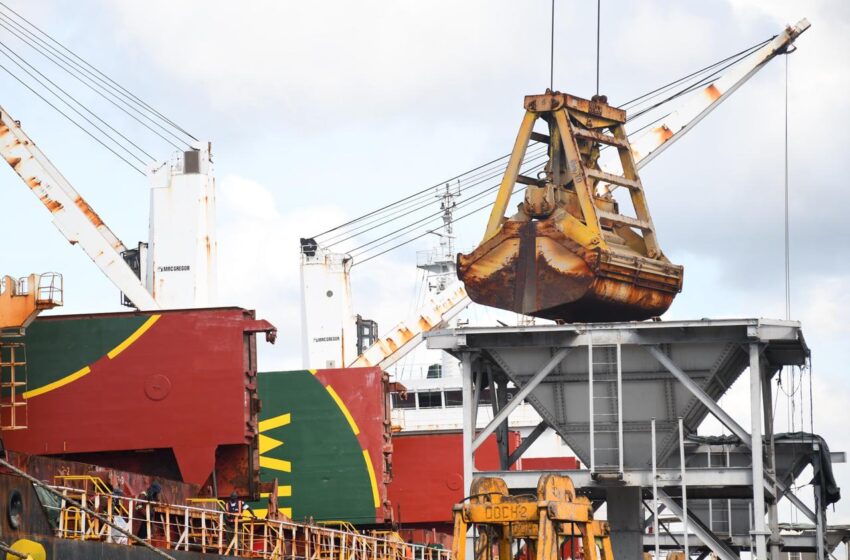
Kenya’s agricultural sector is facing renewed uncertainty following a disruption in the importation of subsidized fertiliser, a key input that supports millions of smallholder farmers across the country.
The setback comes at a critical planting period when demand for affordable fertiliser is at its peak, raising concerns about potential delays in crop production and increased pressure on food prices.
Authorities now warn that a combination of maritime insecurity, global shipping disruptions, and logistical bottlenecks could affect the smooth delivery of essential agricultural supplies to farmers nationwide.
The situation highlights how deeply connected Kenya’s food security system is to global trade routes and regional maritime stability.
Also Read: Top Comoros Official Hospitalized in Nairobi Amid Rising Tensions in Moroni
Why Fertiliser Imports Matter to Kenya’s Agricultural Economy
Agriculture remains one of Kenya’s most important economic sectors, employing millions of people and contributing significantly to national GDP.
Smallholder farmers rely heavily on subsidized fertiliser programs to maintain productivity, especially during planting seasons.
These inputs are distributed through a nationwide network involving:
- National Cereals and Produce Board depots
- Cooperative societies
- Kenya Tea Development Agency collection centers
Any disruption in supply immediately affects production cycles, food availability, and rural incomes.
Maritime Incident Disrupts Fertiliser Shipment to Mombasa
The latest disruption involves a cargo vessel transporting thousands of tonnes of fertiliser destined for the Port of Mombasa.
The ship was reportedly intercepted off the Somali coastline, raising renewed concerns about maritime security along key East African shipping routes.
The vessel was part of a scheduled import shipment intended to support Kenya’s ongoing fertiliser subsidy programme.
Key shipment details
| Item | Detail |
|---|---|
| Vessel type | Cargo ship |
| Cargo | Fertiliser (approx. 4,500 tonnes) |
| Destination | Port of Mombasa |
| Route | Suez Canal to East Africa |
| Incident area | Off Somali coast |
This disruption threatens to delay distribution to farmers already preparing for critical planting timelines.
Kenya Fertiliser Distribution Network at Risk of Delay
Kenya’s fertiliser distribution system depends on coordinated logistics between government agencies, cooperatives, and private transporters.
Any interruption in imports creates a ripple effect across the entire agricultural value chain.
Fertiliser distribution structure
| Stage | Function |
|---|---|
| Import stage | Fertiliser shipped to Mombasa |
| Storage | Warehousing at ports and depots |
| Distribution | NCPB and cooperatives |
| End users | Smallholder farmers |
When delays occur at the import stage, downstream supply shortages can quickly emerge, leading to higher prices and limited access for farmers.
Why Maritime Security Matters for Food Prices in Kenya
Shipping disruptions do not only affect transport logistics. They directly influence the cost of goods in local markets.
When vessels are delayed or rerouted, shipping companies often face:
- Higher fuel consumption
- Increased insurance premiums
- Longer delivery timelines
These costs are eventually passed down the supply chain, affecting agricultural inputs such as fertiliser and seeds.
Over time, this can translate into higher production costs for farmers and increased food prices for consumers.
Somalia Coast Security Risks and Regional Trade Routes
The waters off the Horn of Africa have historically been a critical global trade corridor linking Asia, the Middle East, and Africa.
Although maritime security improved significantly in recent years, isolated incidents of piracy and vessel interception still pose risks to shipping routes.
Kenya’s import-dependent economy is particularly vulnerable because a large share of essential goods, including fertiliser and fuel, passes through these waters.
Economic Impact of Fertiliser Supply Disruptions
Agricultural input disruptions can have far-reaching economic consequences beyond farming communities.
If fertiliser supply is delayed or reduced, potential outcomes include:
- Lower crop yields
- Increased food inflation
- Reduced farmer incomes
- Higher import dependence for food staples
Potential economic ripple effects
| Sector | Expected impact |
|---|---|
| Agriculture | Reduced productivity |
| Transport | Increased logistics costs |
| Retail markets | Higher food prices |
| Government budget | Higher subsidy pressure |
| Consumers | Increased cost of living |
This creates a chain reaction that affects both rural and urban households.
Global Shipping Pressures Add to the Crisis
Beyond regional insecurity, global shipping routes have also been affected by geopolitical tensions and rerouting of cargo vessels.
When shipping lanes are disrupted, vessels may take longer alternative routes, increasing operational costs and delivery timelines.
This adds further pressure to import-dependent economies like Kenya, where agricultural stability depends on predictable supply chains.
Why Fertiliser Subsidy Programs Are Under Strain
Kenya’s fertiliser subsidy programme has been central to supporting food production and reducing farming costs.
However, supply chain disruptions threaten its effectiveness by limiting availability and increasing distribution costs.
Farmers who rely on subsidized inputs may face:
- Delayed planting schedules
- Reduced access to affordable fertiliser
- Increased reliance on expensive commercial alternatives
Industry Concerns Over Rising Shipping and Insurance Costs
Maritime industry experts warn that insecurity could lead to increased freight and insurance costs.
Shipping companies often respond to risk by:
- Increasing insurance coverage
- Charging higher freight premiums
- Avoiding high-risk routes
These adjustments ultimately raise the cost of imported goods, including agricultural inputs.
Lessons From Past Maritime Security Improvements
In previous years, coordinated international naval patrols significantly reduced piracy incidents in the Indian Ocean.
This led to:
- Lower shipping insurance costs
- Improved trade efficiency
- Stable import prices
A resurgence in maritime threats could reverse these gains and increase costs across multiple sectors.
Read Also: Rio Ferdinand To Open International Doors For Arusha Through AFCON 2027
What This Means for Kenyan Farmers
For farmers, timing is critical. Delays in fertiliser availability can affect planting cycles and crop performance.
Smallholder farmers are especially vulnerable because they often lack financial buffers to absorb input price increases or delays.
If supply disruptions continue, farmers may be forced to:
- Reduce farm input usage
- Shift to lower-yield crops
- Delay planting decisions
Government and Regional Response Measures
Authorities are reportedly working with regional and international partners to address maritime security concerns and ensure the safe release or recovery of affected vessels.
Efforts also focus on stabilizing supply chains to prevent long-term disruption of essential imports.
Coordination between agricultural agencies and port authorities remains key to minimizing domestic impact.
Kenya Fertiliser Supply Chain Faces a Critical Test
The disruption of fertiliser imports highlights the vulnerability of Kenya’s agricultural system to external shocks such as maritime insecurity and global trade instability.
While immediate efforts are focused on resolving the current crisis, the broader issue underscores the need for stronger supply chain resilience.
Ensuring food security in Kenya will increasingly depend not only on domestic agricultural policy but also on international shipping stability and regional security cooperation.