
Why KRA is Prioritizing Commercial Data Over Private Mobile Money Transfers

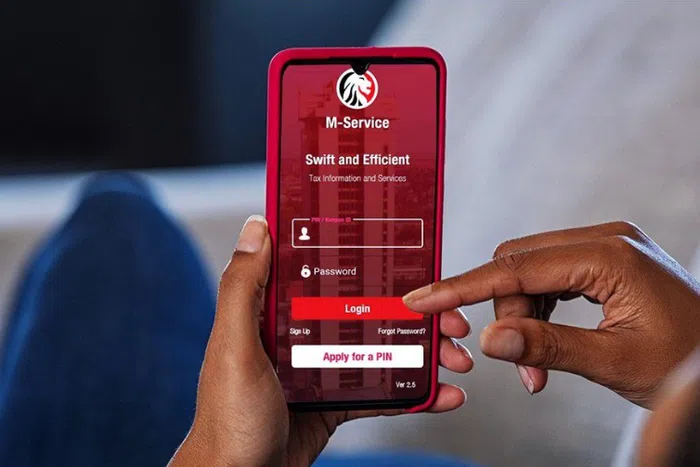
If you have recently worried about the taxman peering into the money you send to your parents or friends, the Kenya Revenue Authority (KRA) has provided a definitive clarification to ease those concerns.
During a recent engagement at the Meru Citizen Assembly, Commissioner for Micro and Small Taxpayers (MST) George Obell emphasized that the tax authority’s integration efforts are strictly targeted at commercial activity, not personal lives.
The Line Between Business and Personal
The core of KRA’s strategy lies in the distinction between Peer-to-Peer (P2P) transfers and merchant payments. Personal transactions—sending money to family, splitting a dinner bill, or gifting a relative—remain outside the scope of KRA’s monitoring. These are categorized as non-commercial transfers. The taxman’s interest is triggered only when mobile money platforms are used as a storefront.
By focusing on Paybills, Till numbers, and other merchant channels, the KRA is looking for trade evidence. This approach ensures that a small business owner using a digital till is compliant with the law, while the average citizen sending a “thank you” remittance to a friend remains private.
The Introduction of the Virtual ETR
To facilitate this without disrupting the flow of business, the KRA is developing the Virtual Electronic Tax Register (Virtual ETR). This digital solution is designed to support businesses that receive payments through mobile money platforms. It allows for the seamless issuance of electronic tax invoices at the exact moment a payment is received. This automation reduces the compliance burden on small business owners who may not have the resources for complex accounting hardware.
“KRA is not interested in personal transactions, which include personal transfers between individuals such as sending money to family members, friends, or relatives.” Commissioner George Obellas per PD Daily.
Why Privacy Matters to the Taxman
The Authority has acknowledged that public trust is a vital component of tax mobilization. Reports of real-time monitoring had sparked significant privacy concerns across the country. By narrowing the focus to commercial channels, KRA aims to strike a balance between enhancing revenue collection and respecting the constitutional right to privacy. The Authority is currently engaging with payment service providers to ensure that the implementation of these monitoring tools is secure and protects the identity of individual consumers.
Looking Forward
This “commercial-only” focus represents a shift toward data-driven compliance.
By integrating with financial institutions and mobile money providers, the KRA can identify taxable business turnover more accurately without sifting through the noise of millions of private, non-taxable messages.
For the Kenyan public, this means that mobile money remains a safe and private tool for personal social support, while for the business community, it signals a move toward a more automated, digital-first tax environment.