
OPINION: Harambee Starlets WAFCON Exit Exposes Bigger Problems in Kenyan Women’s Football

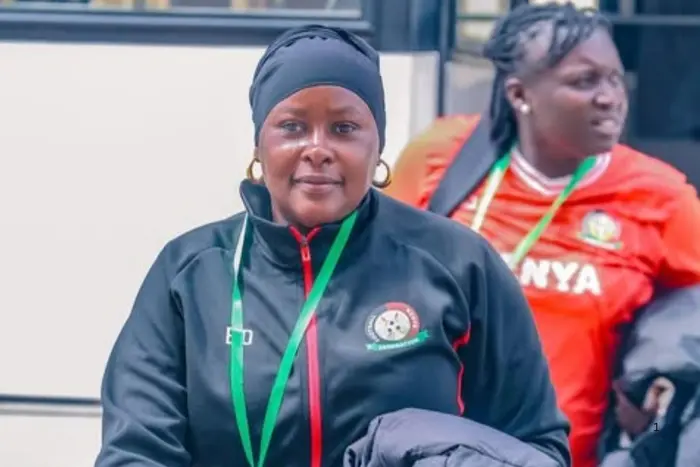
Harambee Starlets coach Beldine Odemba. Photo: FKF Media
Harambee Starlets did not simply lose three matches at the 2026 Women’s Africa Cup of Nations but they exposed the distance Kenya still has to travel before it can consistently compete with Africa’s best.
The numbers are painful. Kenya finished bottom of Group A without a point and without scoring a single goal. They lost 4-0 to hosts Morocco, 1-0 to Senegal and 2-0 to Algeria. It was a campaign that ended the same way the previous one began with Kenya still searching for a maiden victory at the continental showpiece.
But blaming the players or head coach Beldine Odemba alone would be missing the bigger picture.
PAY ATTENTION: Follow Kenya Frontline WhatsApp channel for more news
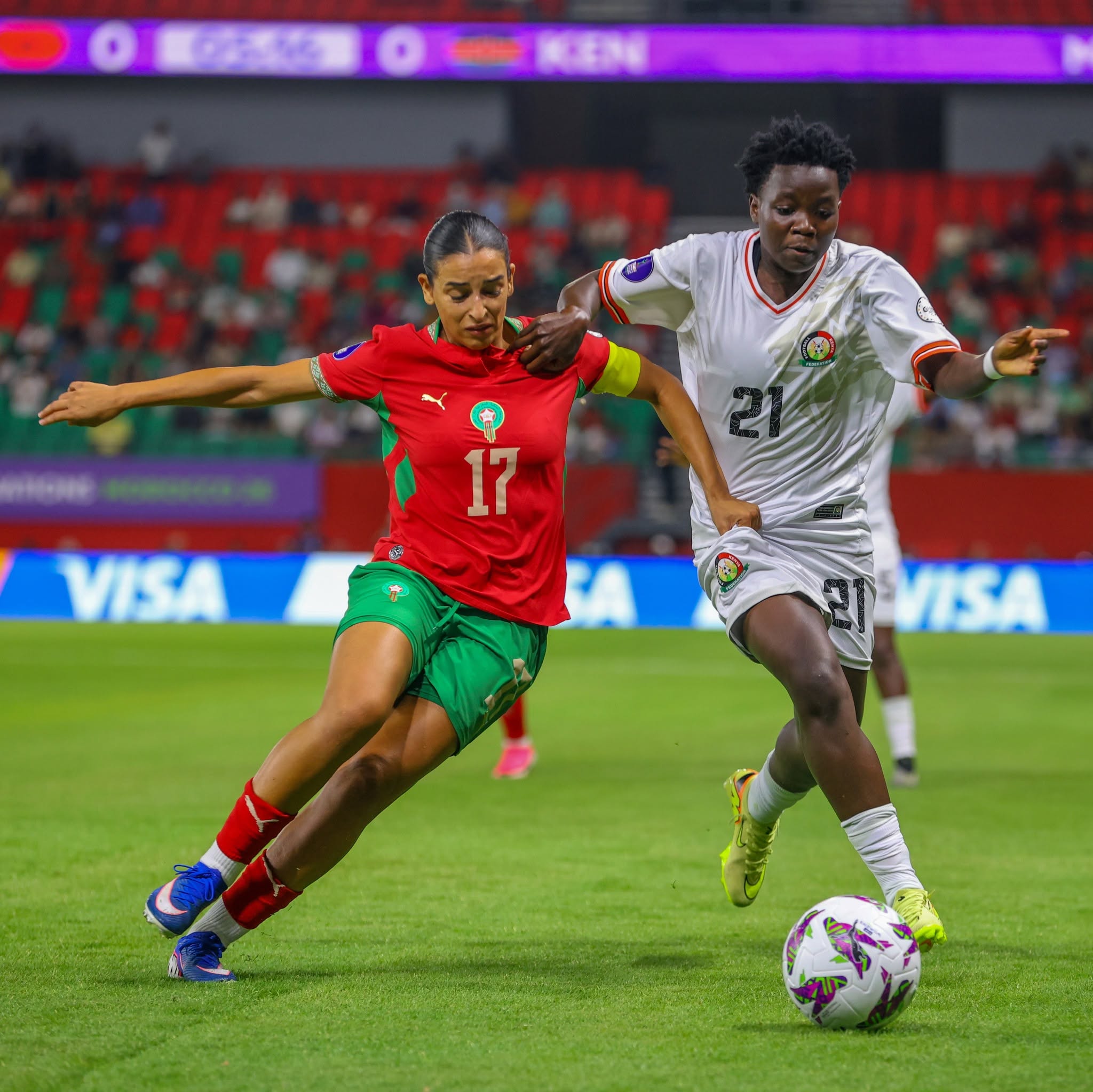
Against Morocco, Kenya were overwhelmed by a side playing at a different level of speed, movement and technical confidence. The hosts scored four times, with Ibtissam Jraidi getting twice, while Sakina Ouzraoui and Maryame Atiq Ez-Zity also found the net. It was a brutal introduction to the tournament.
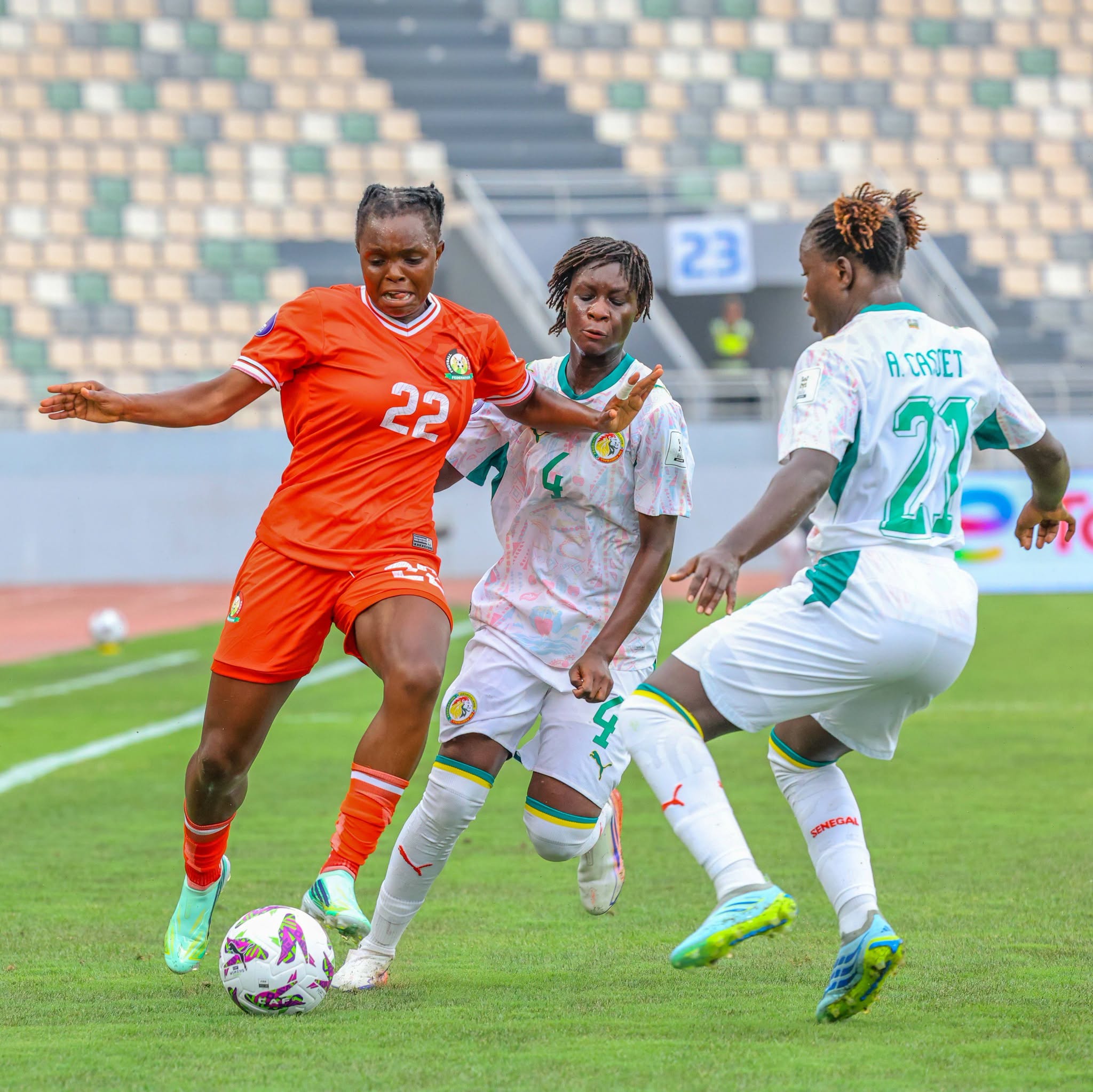
The 1-0 defeat to Senegal was more encouraging. Kenya defended with greater discipline and showed periods of competitiveness, but they lacked the quality in the final third to turn possession and promising positions into goals. Seynabou Mbengue’s first-half goal was enough to settle the contest.
Read Also: Top Comoros Official Hospitalized in Nairobi Amid Rising Tensions in Moroni
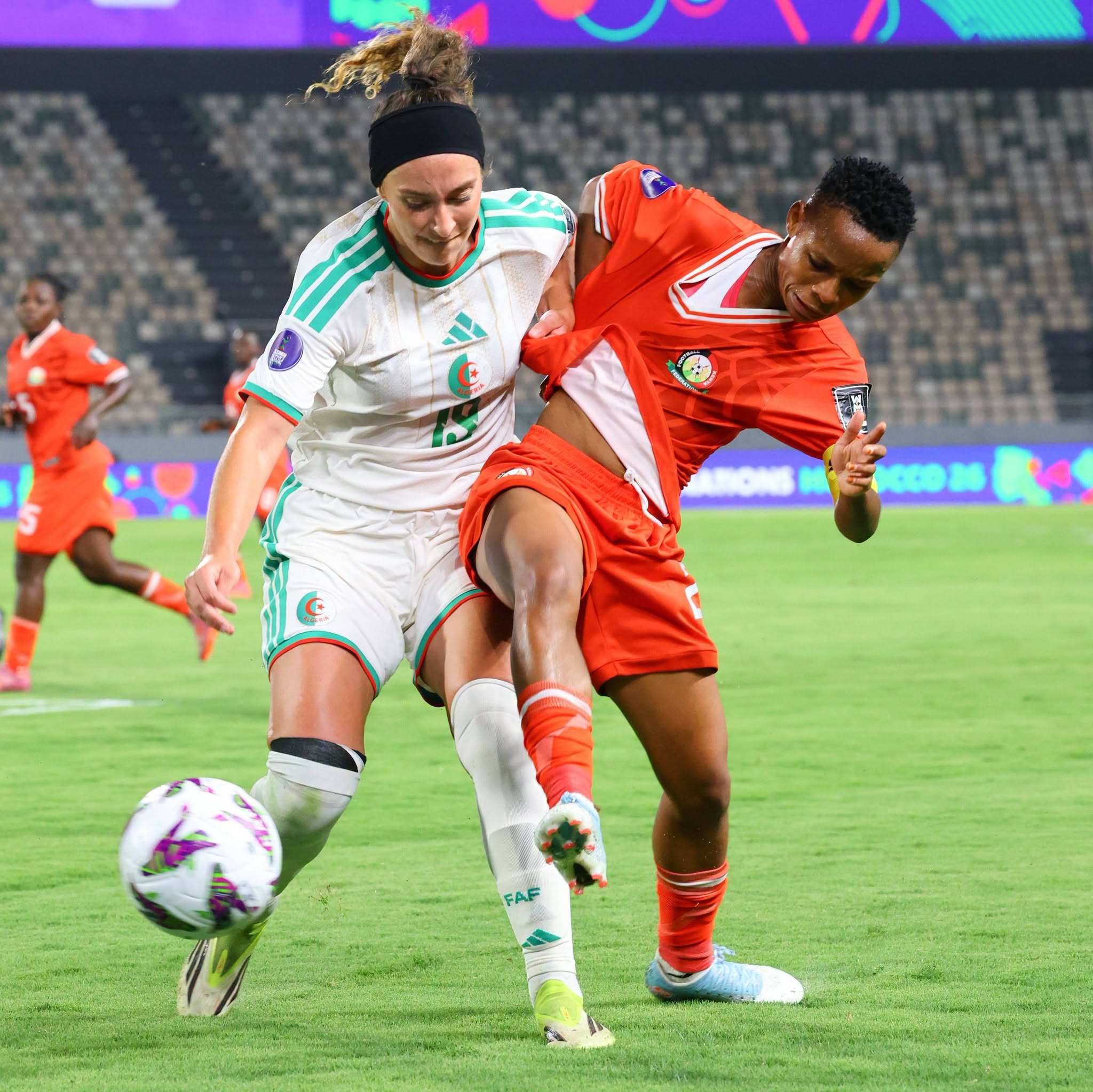
Then came Algeria, perhaps the clearest illustration of Kenya’s limitations. The Starlets needed a huge win to keep their qualification hopes alive but conceded twice in the first half through captain Marine Dafeur and Lynda Bendris. Kenya created chances after the break, particularly through Marion Serenge, Valerie Nekesa and captain Mwanalima Adam, but once again the finishing touch was missing.
That failure to score across three matches should worry everyone involved in Kenyan women’s football.
Kenya has talented players. Serenge showed flashes of why she is regarded as one of the country’s exciting young attackers. Valerie Nekesa, Mercy Airo, Fasila Adhiambo, Martha Amunyolete and Mwanalima Adam all demonstrated that there is ability within the squad. Tereza Engesha also brought experience and attacking intelligence.
The problem is that individual talent is not enough at this level.
Kenya’s domestic women’s league remains one of the biggest questions. The FKF Women’s Premier League is a 12-team competition, and while it provides an important platform, the intensity and depth of competition do not yet consistently prepare players for the demands of top-level continental football.
A player can dominate domestically but then find herself facing opponents at WAFCON who train and compete in environments with greater tactical sophistication, deeper squads, better facilities and more regular high-level matches.
That gap was visible in Morocco.
The issue is not that Kenya’s players are incapable. It is that too many of them are being asked to make a giant leap from domestic football to the continental stage.
That is why the development of the women’s league must become more than a talking point after every disappointing tournament.
There is also a legitimate conversation to be had about squad selection.
Odemba’s final 25-player squad left out goalkeeper Lilian Adhiambo, defender Elizabeth Muteshi and forwards Elizabeth Mideva, Catherine Khaemba and Tumaini Waliaula from the provisional group.
Coaches are entitled to make difficult decisions, and every selection will produce debate. But when a team fails to score in three matches, questions about the options that were left behind will naturally emerge.
That does not mean the omitted players would necessarily have changed the outcome. It simply highlights the need for transparency, deeper scouting and a larger pool of players capable of competing for national-team places.
Read Also: Pharmacy Board Looks to Shape Future of Pharmaceutical Practice
The coaching staff also deserve scrutiny, but not scapegoating.
Odemba inherited a team that had already been operating within the limitations of Kenyan women’s football. Her technical bench had the difficult task of preparing players for opponents with greater continental experience. She deserves credit for giving opportunities to emerging players such as Serenge and Nekesa, but the results show that Kenya still needs a longer-term technical programme rather than tournament-to-tournament preparation.
The same applies to the coaches who work with these players at club level.
If national-team coaches are expected to produce a competitive Starlets every two years, while club coaches have limited opportunities to work with players in professional environments, the national team will always be trying to repair problems that should have been addressed at club level.
There is another uncomfortable truth: Kenya cannot expect to close the gap simply by qualifying for WAFCON.
Qualification is only the beginning.
Morocco, Senegal and Algeria demonstrated that continental competition demands players who are comfortable under pressure, tactically disciplined and capable of making quick decisions. Kenya showed determination, but too often the speed of thought and execution was lacking.
The answer therefore cannot be another short camp before the next qualifier.
Kenya needs stronger women’s club competitions, better coaching development, more international friendly matches, improved player scouting and deliberate pathways from youth football into the senior team. The best young players must be exposed to tougher opposition early rather than waiting for WAFCON to discover how far behind they are.
There is also a case for giving experienced players more meaningful international exposure while gradually integrating younger talent. The likes of Mwanalima Adam and Tereza Engesha can provide leadership, while players such as Serenge and Nekesa can be developed without being expected to carry the entire attack.
The 2026 WAFCON exit should therefore be treated as a mirror.
It showed Kenya what is good, what is promising and, more importantly, what remains unfinished.
The Starlets did not fail because they lacked courage. They failed because the football ecosystem around them has not yet developed enough to consistently produce a team capable of competing with Africa’s elite.
Read Also: Kenyan marathoner remanded over Ksh8 million land fraud case
Kenya’s next victory at WAFCON will not be built in Morocco. It will be built on the training pitches, in the women’s league, in youth academies and through better planning long before the next tournament begins.
The Starlets have waited long enough for their first continental win.
Kenya must now decide whether it is prepared to build the football system that can finally deliver it.