
World Athletics Relays Gaborone 26 Results Track Historic Mixed Team Qualification Berths

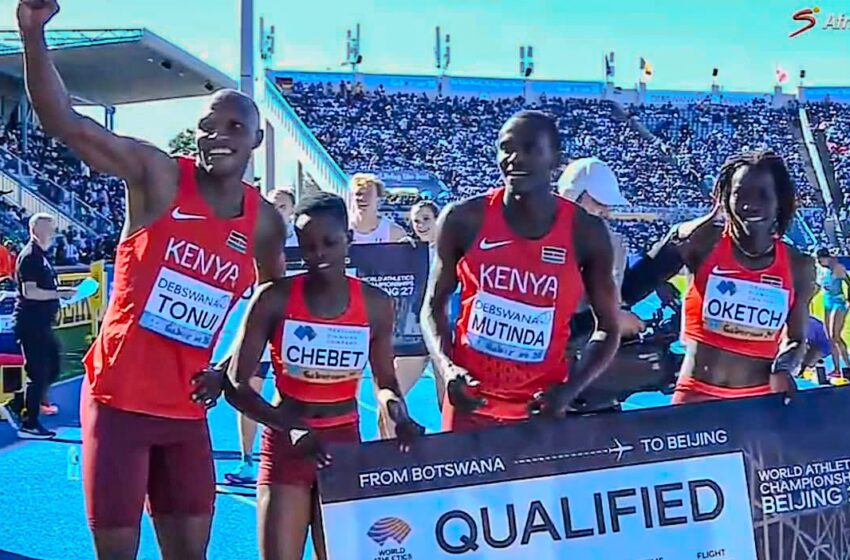
Global track elite converged on the Botswana National Stadium for a monumental weekend of blistering speed and strategic handoffs as the prestigious event concluded on Sunday.
Continental athletics history took a massive leap forward during this high-stakes meeting, which served as the official testing ground for elite long-term planning. The competition offered national programs their very first direct pathway to secure automatic entry into the highly anticipated World Athletics Ultimate Championship Budapest 26.
Beyond the immediate glory of the Hungarian showpiece, team managers faced immense pressure to secure their long-term future in the sport by chasing critical slots for the World Athletics Championships Beijing 27.
Elite sports partnerships between global corporate sponsors and regional organizing committees turned the Gaborone meeting into a showcase of economic and athletic capability. Southern African nations have poured substantial capital into upgrading their stadium infrastructure, seeking to prove their capacity to host major multi-discipline sporting spectacles. The fast track surface coupled with excellent weather conditions yielded standard-shattering performances that kept local fans on their feet throughout successive evening sessions. Tracking data verified that athletes maximized their acceleration phases, turning the stadium into a theater of record-breaking milestones.
Mixed Relay Qualification Results for Budapest 26
Sprinting dynamics took center stage during the mixed relay finals, where the top six finishing teams in both the 4×100 meter and 4×400 meter divisions earned automatic passage to Hungary. Traditional track powerhouses deployed unique combinations of male and female sprinters, experimenting with baton passing sequences to maximize velocity through the curves. The unique tactical demands of mixed racing required flawless communication between teammates sprinting at completely different physical strides.
Read Also: Top Comoros Official Hospitalized in Nairobi Amid Rising Tensions in Moroni
Jamaica delivered a masterclass in the mixed 4×100 meter final, clocking a stunning 39.62 seconds to obliterate the previous world record. The Caribbean nation utilized precise handoffs along the straightaways to hold off a ferocious challenge from a deep Canadian squad. Canada settled for the silver medal with a time of 40.23 seconds, validating their immense depth following their own record-breaking performance during the Saturday heats. The United States rounded out the podium positions by capturing the bronze medal in 40.33 seconds, while Germany, Nigeria, and Spain completed the elite list of automatic qualifiers.
Long-sprint specialists from the United States completely dominated the mixed 4×400 meter final, executing a brilliant race strategy to comfortably distance themselves from the field. Their winning time of 3:07.47 established a brand new championship record, sending a clear warning shot to their international rivals ahead of the late summer season. Jamaica fought valiantly to claim the second position, setting a new national record of 3:08.24 through exceptional endurance on the home stretch. Great Britain and Northern Ireland secured the bronze medal in 3:09.84, while Italy, Kenya, and Spain successfully grabbed the remaining automatic qualification cards.
Full List of Qualified Teams and Championship Highlights
The structural significance of the Gaborone event extended far beyond immediate medals, anchoring the primary qualification matrix for the upcoming global showpiece in China. Track administrators confirmed that 72 automatic relay positions were finalized across six distinct disciplines over the course of the weekend. Saturday evening heats settled the initial wave of qualifiers, leaving Sunday morning’s highly competitive second-round repechage races to distribute the final remaining tickets to Beijing. This secondary format introduced immense drama to the stadium as teams scrambled to correct lane errors from the previous day.
Botswana’s men’s 4×400 meter team generated the loudest roar of the entire weekend by delivering a legendary performance on their home track. The local quartet stopped the clock at an astonishing 2:54.47, securing their ticket to China while simultaneously setting a new competition record. This breathtaking performance ranks officially as the third-fastest time ever recorded in the history of world athletics, cementing the nation’s status as a global quarter-mile powerhouse. The local fans filled the arena with vibrant celebrations, turning the medal ceremony into a historic cultural milestone for the host country.
| Relay Discipline Category | Gold Medal Country | Winning Time Metrics | Historical Significance |
| Mixed 4×100 Meter | Jamaica | 39.62 Seconds | New World Record |
| Mixed 4×400 Meter | United States | 3:07.47 Minutes | New Championship Record |
| Men 4×400 Meter | Botswana | 2:54.47 Minutes | Third Fastest Time Ever |
Sprinting dominance continued in the traditional single-sex disciplines as the United States men’s 4×100 meter squad captured gold in a swift 37.43 seconds. Clean passing execution allowed the American men to narrowly edge out a rising South African team that finished in 37.49 seconds. Jamaica asserted total authority in the women’s 4×100 meter final, crossing the line in 42.00 seconds to secure a comfortable victory over Canada. The biggest surprise of the closing session occurred in the women’s 4×400 meter final, where Norway stunned the favorites by winning gold in a world-leading national record time of 3:20.96.
Technical Performance and Altitude Dynamics
The atmospheric conditions of Gaborone, which sits at an elevation of approximately 1,000 meters above sea level, played a critical role in determining race strategies. Thinner air profiles reduce aerodynamic drag, giving short sprinters a distinct physical advantage during the initial acceleration and maximum velocity phases. This altitude factor contributed heavily to the rapid succession of world records falling in the mixed short sprint categories. Coaching staffs had to carefully calibrate their warm-up timelines to prevent premature lactic acid accumulation in the high-altitude environment.
Conversely, the elevated setting introduced severe endurance challenges for the quarter-mile athletes during the grueling second curve of the 4×400 meter races. Sustaining maximum speed requires immense aerobic capacity, forcing anchor runners to delay their final kicks until entering the home straightaway. The state-of-the-art synthetic track surface received high praise from technical delegates for its excellent energy return properties. Accurate data logging systems ensured that all reaction times and split measurements were recorded with absolute precision for future athletic analysis.
Summary of Budapest 26 Automatic Qualifiers
The following national athletics federations successfully secured their automatic entry slots for the upcoming World Athletics Ultimate Championship based on their top-six placements:
Mixed 4×100 Meter Sprint Finalists
-
Jamaica: Current world record holders following their masterful performance in the final.
-
Canada: Silver medalists who displayed superior baton transitions across all rounds.
-
United States: Bronze medal winners backed by exceptional individual top-end speed.
-
Germany: Fourth place finishers demonstrating high-level technical synchronization in the zones.
-
Spain: Secured a top-five placement to ensure their track presence in Hungary.
-
Nigeria: Captured the final automatic slot by maintaining superior velocity over the closing meters.
Mixed 4×400 Meter Quarter Mile Finalists
-
United States: Championship record holders who displayed unmatched tactical depth across both legs.
-
Jamaica: National record breakers who executed exceptional lap transitions under immense pressure.
-
Great Britain and Northern Ireland: Secured the final podium step through smart lane positioning.
-
Italy: Advanced to the premier event by executing highly conservative baton exchanges.
-
Kenya: Displayed signature East African endurance to book their automatic ticket to Budapest.
-
Spain: Completed a brilliant weekend by earning double mixed relay representation for their nation.
Macroeconomic Impact of Continental Sports Hosting
Staging an international athletics event of this scale marks an important economic victory for the host nation and the broader region. Tourism sectors experienced a significant surge in hospitality bookings, with international delegations occupying hotel capacity across the capital city. Local transport systems, culinary vendors, and event production companies reaped direct financial rewards, illustrating the tangible economic value of sports tourism. The successful broadcast of the event to millions of global viewers provided invaluable international exposure for Botswana’s commercial brands.
International sports administrators view the smooth execution of the tournament as a definitive case study for awarding future global championships to African nations. Building robust logistical frameworks ensures that regional talents can compete on home soil without facing exhausting long-haul travel schedules. Giving local fans affordable access to world-class sporting action inspires the next generation of grassroots competitors across rural districts. The sports economy remains a powerful engine for infrastructure modernization and youthful job creation across emerging continental markets.
Final processing reviews by corporate partners indicate that merchandise sales and digital streaming engagements surpassed initial projections. Creating highly engaging vernacular content formats allows track and field events to compete effectively against traditional mainstream sports markets. National technical directors will now shift their focus toward individual diamond league circuits to fine-tune fitness levels before the championship window opens in September. The foundational lessons learned in Gaborone will guide training regimens as coaches prepare their final rosters for the battles awaiting them in Budapest and Beijing.