
152 Officers Complete Key APS Course

IMAGES/APS
The Administration Police Leadership School (APLSC) in Meru has concluded an intensive leadership and command course aimed at strengthening the ability of officers to make sound decisions and lead effectively in demanding operational environments.
The SOIP Basic Experiential Leadership and Command Course brought together 152 officers drawn from the Administration Police Service (APS) and the Directorate of Criminal Investigations (DCI), exposing them to practical exercises designed to sharpen their leadership and command abilities.
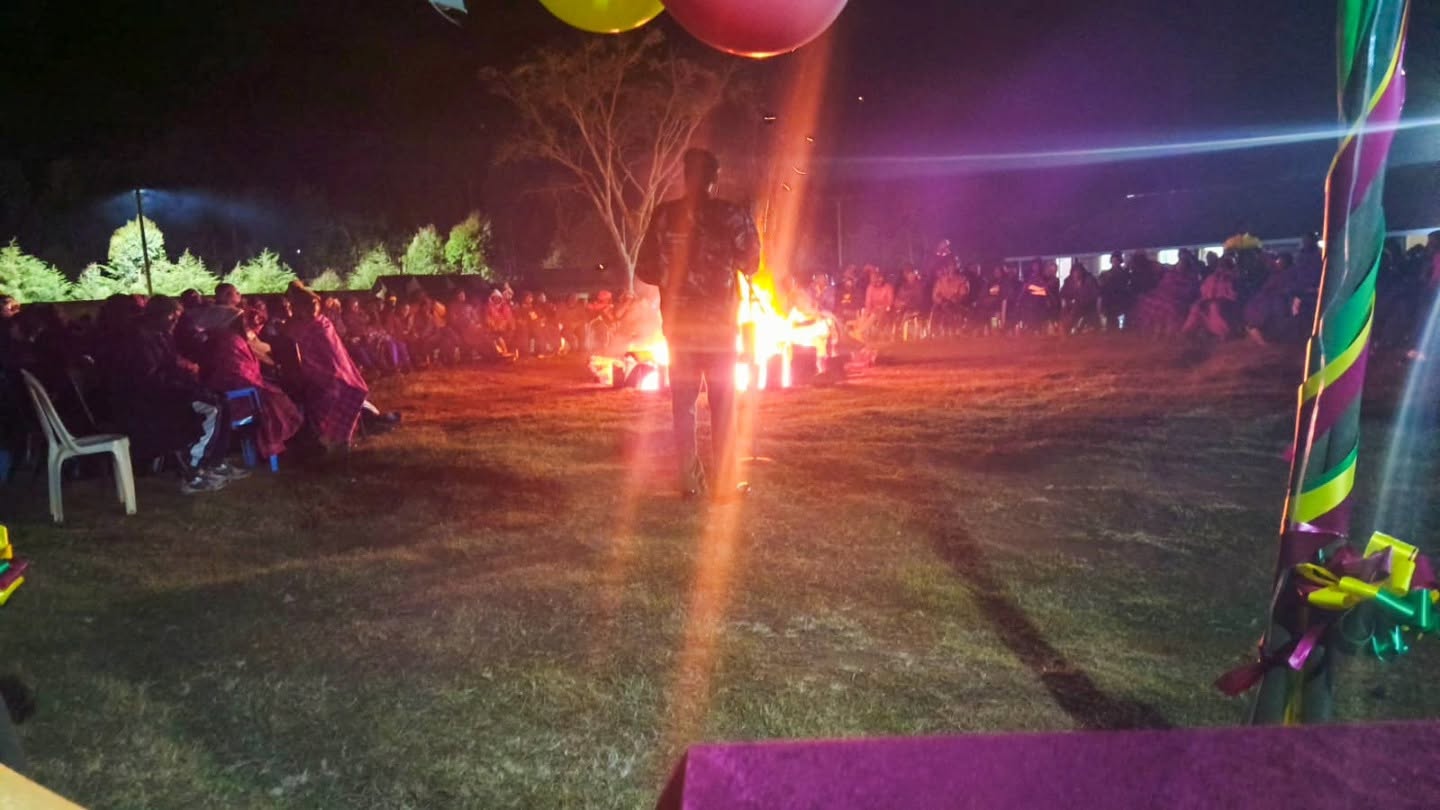
The programme concluded on Friday, August 7, 2026, with a symbolic bonfire ceremony that gave the officers an opportunity to reflect on their experience, celebrate their achievement and strengthen the camaraderie developed during the training.
PAY ATTENTION: Follow Kenya Frontline WhatsApp channel for more news
“The course brought together 152 officers drawn from the Administration Police Service (APS) and the Directorate of Criminal Investigations (DCI), equipping them with practical leadership and command skills essential for effective policing in dynamic operational environments,” the statement reads.
Also Read: Pharmacy Board Looks to Shape Future of Pharmaceutical Practice
Officers tested through practical exercises
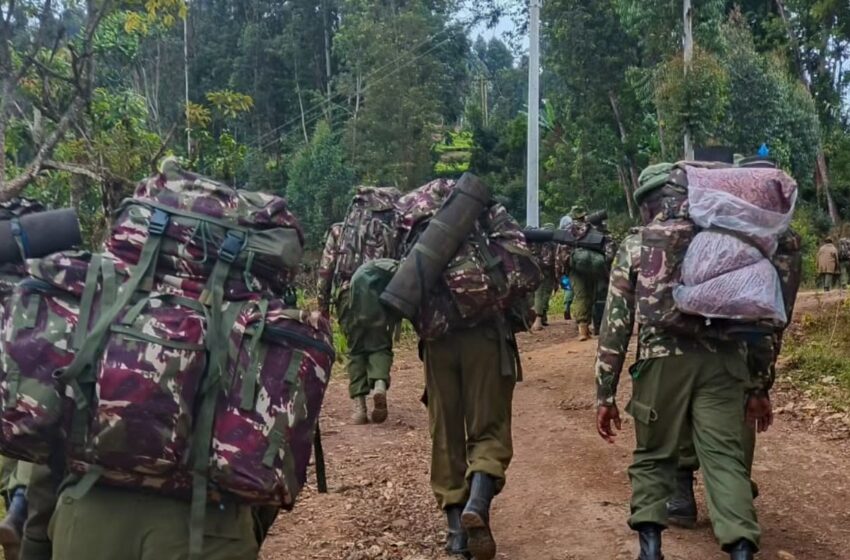
Training during the programme went beyond conventional classroom instruction, with participants engaging in experiential activities designed to replicate some of the challenges officers may encounter in operational environments.
The activities focused on leadership, decision-making, problem-solving, teamwork, resilience, navigation, survival skills, field command and operational readiness.
“The participants undertook experiential activities focusing on leadership, decision-making, problem-solving, teamwork, resilience, navigation, survival skills, field command and operational readiness.”
The practical approach gave officers an opportunity to test their ability to work under pressure while making decisions as individuals and as members of a team.
Leadership in policing often requires officers to balance competing demands, assess situations quickly and provide clear direction to colleagues. The training therefore sought to develop skills that can be applied beyond the classroom once the participants return to their respective formations.
The inclusion of officers from both APS and DCI also provided an opportunity for personnel from different formations to train together and develop a better understanding of the importance of coordination.
Effective cooperation between security agencies can be particularly important during operations that require different units to share information, coordinate activities and respond to rapidly changing situations.
The resilience component of the programme was another important aspect of the training. Officers were exposed to activities intended to test their ability to remain focused and work effectively despite difficult conditions.
Navigation and survival exercises further introduced participants to situations where preparation, discipline and teamwork can determine the success of an operation.
The course also placed emphasis on field command, giving officers an opportunity to understand the responsibilities that come with directing teams in operational settings.
Dr Mwinyi urges officers to apply lessons
The closing ceremony was presided over by the Principal Deputy to the Deputy Inspector General, Administration Police Service, Dr Masoud Mwinyi, MBS, OGW, HSC, who represented the DIG-APS.
Dr Mwinyi challenged the officers to ensure that the skills gained during the course translate into better leadership and service delivery once they return to their respective formations.
Also Read: Shattered Homes, Long Roads: A Refugee’s Journey from South Kivu to Nairobi
“He challenged the officers to translate the knowledge and skills acquired into ethical leadership, professionalism, accountability and improved service delivery within their respective formations.”
The message placed responsibility on the officers to demonstrate the value of the training through their conduct and decisions.
Professionalism and accountability remain central to effective policing, with officers in leadership positions expected to set standards for those under their command.
Dr Mwinyi also highlighted the importance of integrity, teamwork and continuous learning as officers prepare to deal with emerging security challenges.
“He emphasized the importance of teamwork, continuous learning, integrity and effective leadership in responding to emerging security challenges and serving the public.”
The emphasis on continuous learning reflects the changing nature of policing, where officers may be required to respond to new security threats, technological developments and increasingly complex operational situations.
Leadership training can help officers develop the confidence to make decisions while also understanding the importance of consultation, communication and accountability.
The officers are now expected to take the lessons gained from the programme into their respective assignments and use them to strengthen the performance of their teams.
The course also reinforced the idea that effective leadership is not limited to giving instructions. It involves building trust, maintaining discipline, supporting colleagues and ensuring that decisions are guided by professional and ethical standards.
Bonfire marks end of course
The symbolic bonfire formed part of the final activities as the officers brought the intensive programme to a close.
The ceremony offered participants an opportunity to reflect on their development during the course and celebrate the teamwork and friendships established throughout the training.
“The symbolic bonfire provided an opportunity for the participants to reflect on their growth, celebrate teamwork and camaraderie, and renew their commitment to the values and mandate of the National Police Service.”
The moment marked the end of an intensive period that had challenged the officers physically and mentally while exposing them to different aspects of leadership and operational preparedness.
The experience is expected to remain useful as the officers return to their respective formations and take on their responsibilities.
The Administration Police Leadership School has positioned the programme as part of broader efforts to strengthen leadership and command capacity within the National Police Service.
“The successful completion of the course underscores the commitment of APLSC to strengthening leadership and command capacity within the National Police Service and fostering a professional, disciplined and operationally effective police service.”
The participation of 152 officers from APS and DCI also highlights the importance of joint training in promoting cooperation among different security formations.
Also Read: KDF Expands Humanitarian Role Through Health Campaign & Medical Outreach
The officers will now be expected to put their training into practice, particularly in areas such as decision-making, teamwork, operational readiness and ethical leadership.
The conclusion of the SOIP Basic Experiential Leadership and Command Course therefore represents both an achievement for the participants and another step in the development of leadership capacity within the National Police Service.
The bonfire may have marked the end of the course, but the real test begins as the 152 officers return to their duties and demonstrate whether the lessons learned in Meru can translate into stronger leadership and improved service to the public.