
5 Grievances Teachers Are Raising Through Nationwide Strike Threats

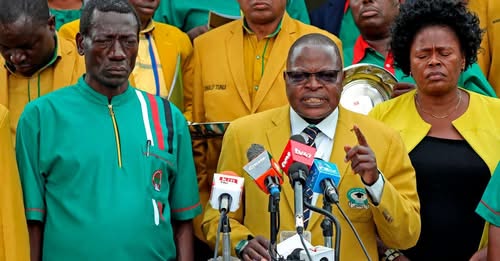
The Kenya Union of Post-Primary Education Teachers (KUPPET members have intensified protests across several counties as schools reopen for the second term, citing unresolved issues affecting their welfare, job security, and working conditions.
The demonstrations highlight growing frustration with the government and the Teachers Service Commission (TSC) over long-standing disputes that continue to disrupt learning.
1. Health Insurance and SHA Implementation Challenges
Teachers have expressed strong dissatisfaction with the Social Health Insurance (SHA) system, arguing that it has failed to deliver reliable medical services. Many report being stranded in hospitals due to system failures, delays, and lack of access to authorised facilities, creating widespread frustration among educators seeking treatment.
In several counties, including Homa Bay and Vihiga, teachers say only a limited number of hospitals are accredited under the scheme, forcing long travel distances for care. They argue that the system’s restrictions, including capping of benefits, have made it less effective compared to the previous Minet medical cover.
Despite agreements between stakeholders to remove co-payments at accredited facilities, teachers insist that implementation has not improved. They are now demanding either a return to the previous comprehensive medical scheme or a fully functional and reliable alternative.
2. Confirmation of Intern Teachers to Permanent Employment
A major grievance driving protests is the demand to confirm approximately 44,000 intern teachers into permanent and pensionable terms. Teachers argue that interns are performing the same duties as permanent staff but under poor employment conditions and low pay.
Union officials have cited a Court of Appeal ruling that affirmed earlier decisions declaring internship-based employment in teaching as illegal. They insist that continued reliance on interns violates labour rights and undermines professionalism in the sector.
Teachers further argue that the government must allocate adequate funding through Parliament to enable the Teachers Service Commission to formalise employment. Without financial backing, they say, promises of confirmation will remain unfulfilled and exploitative practices will continue.
3. Poor Working Conditions, Staffing Shortages and JSS Structure Issues
Teachers are also protesting poor working conditions, particularly in Junior Secondary Schools (JSS), where they say unclear administrative structures are affecting operations. Many JSS teachers report being placed under primary school systems without proper leadership or promotion pathways.
Overcrowded classrooms and heavy workloads have worsened the situation, especially following the 100 percent transition policy and the rollout of the Competency-Based Curriculum (CBC). Teachers report handling large classes with excessive teaching loads, leading to burnout and stress.
They are demanding full autonomy for JSS institutions, including dedicated administration and staffing structures. The unions argue that aligning JSS with secondary school systems would improve efficiency, accountability, and teacher morale.
4. Delayed Promotions and Disputes Over Collective Bargaining Agreements
Another key concern is the stagnation of teachers in the same job groups for extended periods despite meeting promotion requirements. Many educators claim they have worked for over a decade without advancement, even after acquiring higher qualifications.
Teachers have also criticised the implementation of the 2021–2025 Collective Bargaining Agreement, saying it disproportionately favours administrators over classroom teachers. They argue that salary structures remain unfair and fail to reflect workload and professional development.
Additionally, delayed remittance of third-party deductions to banks, SACCOs, and insurers has worsened financial pressure on teachers. Some report being listed with credit reference bureaus due to missed loan payments caused by delayed employer deductions.
5. Removal of Hardship Allowances in Arid and Semi-Arid Regions
Teachers in regions such as Samburu are protesting the removal or reduction of hardship allowances, arguing that the classification of some areas as no longer “hardship zones” is inaccurate. They insist that insecurity, poor infrastructure, and harsh living conditions still persist.
In Samburu, educators have raised concerns over insecurity linked to banditry, saying some colleagues have lost their lives while serving in the region. They argue that the downgrade of hardship status ignores the realities faced by teachers on the ground.
Union leaders have issued ultimatums warning of nationwide strikes if the issue is not addressed. They insist that allowances must be reinstated fairly to reflect actual working conditions and risks faced by teachers in affected counties.