
Commonwealth Games 2026: Kenya Athletics Squad Analysis and Medal Prospects

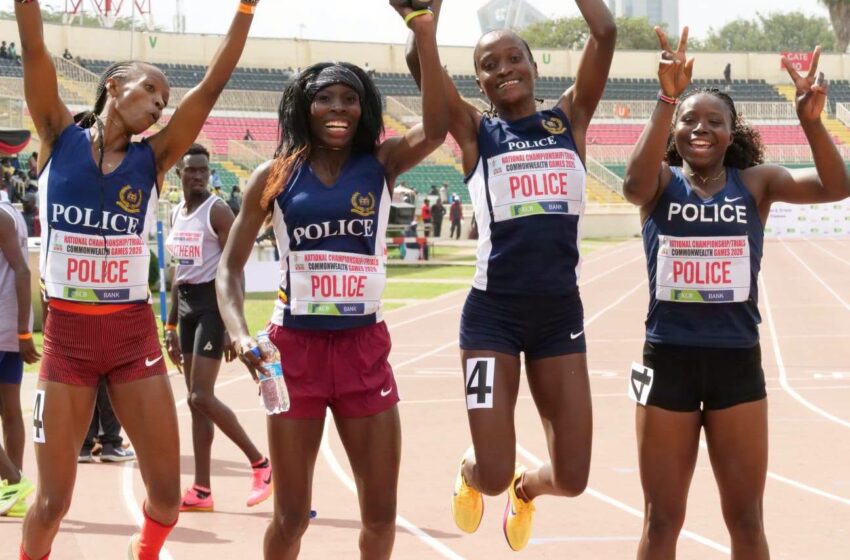
Kenya’s announcement of its athletics team for the 2026 Commonwealth Games in Glasgow marks another important milestone in the country’s sporting journey. However, unlike previous editions where dominance in multiple disciplines felt almost guaranteed, this squad enters a more competitive global environment where margins are smaller and pressure is significantly higher.
The selection came after three days of intense national trials in Nairobi, where athletes had to perform under championship-level pressure just to secure a place in the team. The results reflected both Kenya’s depth and the increasing difficulty of earning national representation in athletics.
What stands out this time is not just the list of athletes, but the balance between experience and emerging talent across sprints, middle distance, distance events, and field disciplines.
Also Read: ‘Kimbia na Simbu’ – Campaign Launched to Support World Marathon Champion, Nurture Next Generation of Athletes
Trials That Define A Nation’s Athletic Standards
Kenya’s selection system is built on direct competition rather than invitations or rankings. That means athletes must race head-to-head at full intensity to qualify, even if they are already world champions or established medalists.
This approach has created one of the most competitive internal athletics environments in the world. It also ensures that athletes who make the team are in strong competitive condition, having already faced pressure similar to what they will experience internationally.
However, it also comes with challenges. Athletes often peak too early in the season or enter major competitions carrying fatigue from the trials.
Still, this system remains central to Kenya’s global success because it produces athletes who are mentally and physically prepared for high-pressure racing.
Kinyamal Leadership In Men’s 800m And Experience Factor
One of the standout names in the squad is Wyclife Kinyamal, a two-time Commonwealth 800m champion whose presence adds stability and experience to the team.
At the trials, he delivered another strong performance, narrowly edging Kelvin Loti in a tightly contested race. The result showed both his tactical maturity and ability to handle pressure even when not at full physical comfort.
Kinyamal’s background gives Kenya a major advantage in championship races. Having already won at Gold Coast and Birmingham, he understands how to manage rounds, conserve energy, and execute a final kick when it matters most.
Alongside him, Kelvin Loti and Nicholas Kiplagat complete a strong 800m unit that continues Kenya’s long tradition of middle-distance excellence.
Odira And The Women’s 800m Medal Expectations
In the women’s 800m, world champion Lilian Odira continues to be one of Kenya’s most reliable medal prospects. Her victory at the national trials confirmed her consistency and ability to deliver in high-pressure environments.
Odira ran a controlled and tactical race, finishing ahead of strong competitors including Naomi Korir, who brings valuable international experience.
Her performance reflected a mature racing style, focusing more on positioning and timing rather than early speed. That approach has been a key factor in her success at global level.
She now shifts focus to international competitions as she prepares for Glasgow, where she will face a deeper and more competitive field.
Kenya Sprint Events Evolving Beyond Traditional Identity
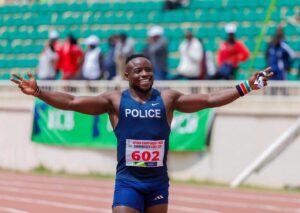
Kenya has historically been known for distance running dominance, but the emergence of athletes like Ferdinand Omanyala has changed that narrative significantly.
Omanyala, the defending Commonwealth 100m champion, leads a growing sprint group that includes Mark Otieno and Meshack Babu. Their inclusion highlights a gradual shift in Kenya’s athletics development strategy.
This expansion into sprint events is important because it shows diversification in training systems, coaching expertise, and talent identification.
Kenya Athletics Events Strength Overview
| Event Category | Current Strength Level | Key Athletes | Global Medal Outlook |
|---|---|---|---|
| 100m Sprint | Rising competitiveness | Omanyala, Otieno | Strong |
| 800m Middle Distance | Elite | Kinyamal, Loti | Very strong |
| Women 800m | World-class | Odira | Strong |
| 3000m Steeplechase | Traditional dominance | Cherotich, Koech | Very strong |
| Long Distance | High depth | Kiptoo, Kipsang | Strong |
This table shows that Kenya remains strongest in middle and long-distance events but is steadily improving in sprint disciplines.
Steeplechase And Distance Running Remain Core Strength
Despite diversification, Kenya’s biggest medal expectations still lie in the 3000m steeplechase and long-distance track events. These disciplines remain deeply rooted in Kenya’s athletics identity and continue to produce world-class results.
Also Read: Omar Abdulkadir Artan World Cup Exclusion Raises Immigration Questions Across Global Football
Athletes like Faith Cherotich, Simon Koech, Edmund Serem, and Leonard Bett represent the next generation of steeplechase talent carrying forward a long-standing tradition of excellence.
However, competition from countries such as Ethiopia, Morocco, and emerging European programs means Kenya can no longer rely on reputation alone. Every race now demands tactical precision and perfect execution.
Point Form Breakdown Kenya Medal Pressure Factors
Kenya’s chances in Glasgow will depend on several key performance factors:
- Managing athlete recovery after intense national trials
- Converting dominance in middle distance into consistent gold medals
- Improving sprint execution at final stages of races
- Maintaining tactical discipline under international pressure
- Balancing experienced champions with emerging athletes
Each of these factors will directly influence whether Kenya maintains its traditional medal dominance or faces increased competition pressure.
Team Balance And Strategic Selection Approach
The 2026 squad reflects a deliberate effort to balance experience with emerging talent. Established athletes bring leadership and composure, while younger athletes provide energy and unpredictability.
This combination is important because modern championship racing requires both tactical intelligence and physical explosiveness. However, it also demands strong coordination between athletes, coaches, and performance planners.
Without proper execution, even a talented squad can underperform in high-pressure environments.
Commonwealth Games Role In Kenya Athletics Development
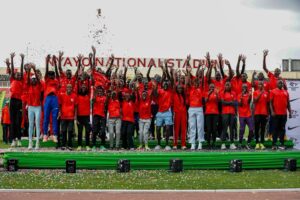
The Commonwealth Games continue to play an important role in Kenya’s athletics development pathway. While the Olympics and World Championships receive more global attention, the Commonwealth Games remain a crucial platform for testing strategy, building experience, and identifying future champions.
For younger athletes, it serves as a stepping stone into elite global competition. For established athletes, it is a chance to reinforce dominance and maintain international ranking.
Kenya Athletics Enters A More Competitive Global Phase
The Kenya 2026 Commonwealth Games athletics squad reflects a nation in transition rather than decline or dominance alone. The team is strong, experienced, and deeply talented, but it now operates in a global environment where competition is sharper and margins are smaller.
Success in Glasgow will depend on more than talent. It will require recovery management, tactical discipline, and the ability to perform under sustained pressure.
Kenya remains one of the world’s leading athletics nations, but the 2026 Games will test how well that legacy can adapt to a rapidly evolving international sporting landscape.